Daily commuters who need private listening
Suitable if you listen to music, podcasts or video on buses, trains or urban transport and want an easy-to-carry alternative to playing audio through a phone speaker.


Choose true wireless earbuds when pocketability and charging-case top-ups matter most; choose over-ear wireless headphones when longer continuous playback, a carrying case or switching between devices matters more. Wired headphones suit travellers with a matching port or verified adapter, while call users should check the exact model’s microphone, controls and multi-device behaviour rather than relying on format alone.
Suitable if you listen to music, podcasts or video on buses, trains or urban transport and want an easy-to-carry alternative to playing audio through a phone speaker.
Look for a microphone, answer and end-call controls, and a practical way to switch between calls and media. Microphone performance and multi-device behaviour should be checked model by model.
Compare continuous battery claims, carrying bulk and confirmed multipoint connection if you travel for extended periods or use a phone alongside a laptop or tablet.
Start with the format that fits your journey and carrying space, then check the exact connection, call and battery conditions that matter to you.
Choose them when: You want the least bulky option for short-to-medium journeys and can recharge a pocketable case.
Trade-off: Single-charge duration, fit, call handling and ambient modes vary by model; a charging-case total is not the same as continuous playback.
Choose them when: Longer journeys, larger controls, a carry case or phone-and-laptop switching matter more than pocketability.
Trade-off: Which? notes that over-ear models are generally bulkier and heavier than in-ear headphones, so they take more bag space.
Choose them when: Your phone, tablet or laptop has the matching 3.5 mm, USB-C or Lightning connection and you want a direct connection.
Trade-off: Connector and remote-control compatibility are essential, and a cable can be less convenient on a crowded journey.
| Priority | What to check | Your needs and respondents concerned |
|---|---|---|
| Private listening | Choose headphones or earbuds with a direct personal-audio connection; check for headset call controls if you answer calls while travelling. | I want to keep music and calls off my device speaker in shared spaces. Transport for London reported on 26 August 2025 that 70% of 1,000 London customers surveyed found loud music and phone conversations without headphones disruptive. |
| Carry size and playback | Compare pocketable earbuds with over-ear bulk; compare battery figures in the same noise-control mode and distinguish single-charge from case total. | I need something I will comfortably carry every day, while still lasting through my longest period without charging. |
| Calls and device switching | Check the named model for a microphone, call controls and multipoint support. If it connects to two devices, check whether multipoint can be disabled. | I may listen on one device and need to answer calls from another without repeated manual re-pairing. |
| Listening level and modes | Check whether the model expressly offers the ambient or noise-control mode you want, and whether your device has a volume limiter. | I want to manage volume comfortably on a noisy journey. RNID advises taking at least five-minute breaks every hour and using a device volume limiter where available. |
Active noise cancellation does not by itself establish how well a model handles a call in vehicle noise. Microphones, voice processing and call controls differ between models.
Check the exact model’s microphone and call-control features, and look for independent call testing where available. If you use two devices, also check how multipoint handles incoming calls.
Earbud totals can include recharges from the case, whereas over-ear figures may describe uninterrupted playback from the headset. Apple lists up to 8 hours with ANC enabled for AirPods Pro 3 and 24 hours with its case; Sony lists up to 30 hours of continuous ANC-on music playback for the WH-1000XM6.
Compare the single-charge figure, total-with-case figure and relevant listening mode separately. Choose for your longest no-charging period, not the largest headline number.
A wired headset with the wrong connector may not work with your phone, tablet or laptop. Remote and microphone functions can also depend on device compatibility.
Identify the source device’s port first, then choose the matching headset or a compatible adapter. Confirm both audio and call-control compatibility.
A compatible USB-C or Lightning-to-3.5 mm adapter may be needed when the device has no 3.5 mm socket.
RNID notes that some headphones can play music at levels that may damage hearing, especially with continued loud listening.
Use a comfortable fit, choose adjustable listening modes where they suit your surroundings, take regular breaks and enable a device volume limiter if available.
Relevant for commuters comparing premium over-ear wireless headphones with compact true wireless earbuds, including models with named multipoint features.
Relevant for travellers already using compatible Apple devices who want compact USB-C earbuds or a wired USB-C option with call controls.
Relevant for travellers considering premium around-ear wireless headphones with adjustable noise-control modes, multipoint and a supplied carry case.
Relevant for travellers who want compact true wireless earbuds with adjustable ambient or noise-control settings and controls on the charging case.
These Joybuy options cover over-ear wireless headphones and true wireless earbuds for public-transport listening; selected models also state call or multi-device features.
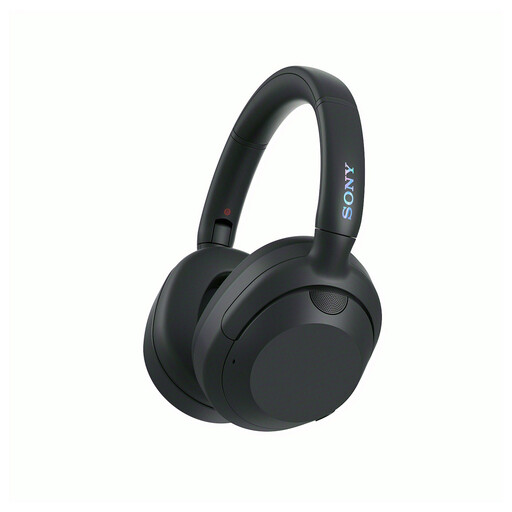 No image available
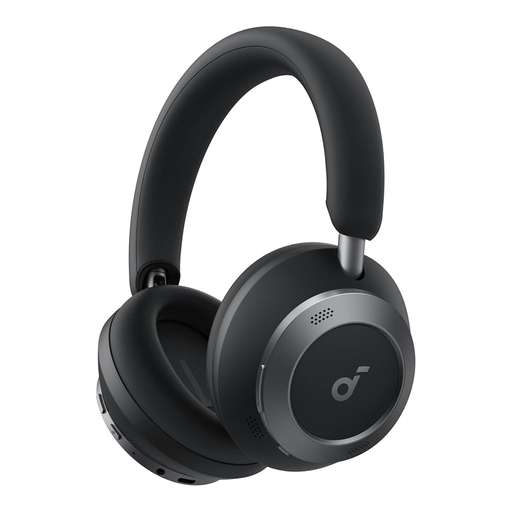
For longer journeys and phone-and-laptop use, this over-ear model states ANC, Bluetooth multipoint, an integrated microphone and a detachable 3.5 mm cable.
Stated playback is up to 30 hours with ANC, with 10-minute quick charging. Its stated weight is 254 g.
Check whether the size and weight suit your daily bag, and confirm call performance in noisy vehicles if calls are important.
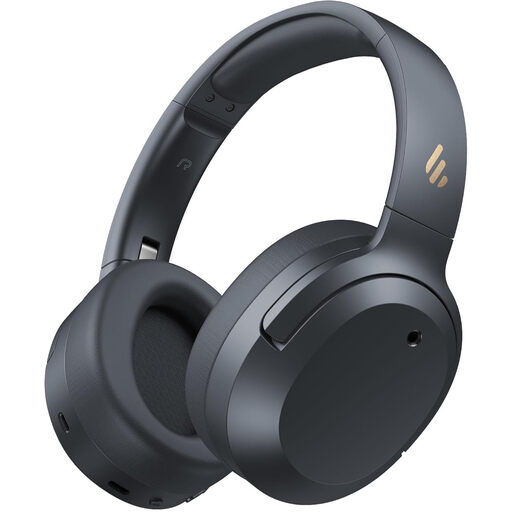 No image available
A foldable over-ear option for longer journeys, with stated two-device pairing for calls and media.
The product information states ANC modes, USB-C wired playback while charging, up to 49 hours with ANC and up to 88 hours overall playback.
Check comfort, ambient-mode availability and how multipoint behaves with your own devices.
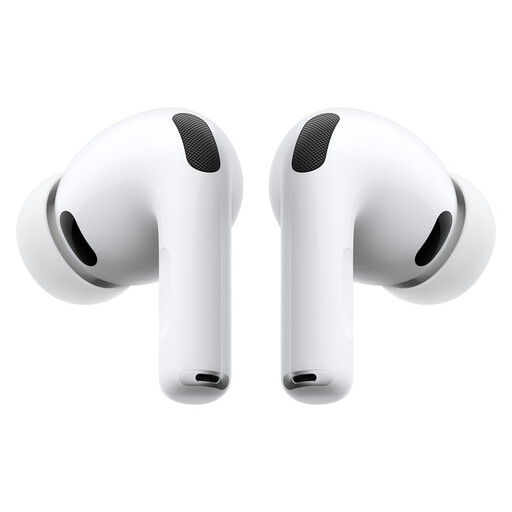 No image available
A compact true wireless option for Apple-device travel, with a charging case and stated automatic switching between Apple devices.
Apple lists up to 8 hours of listening with ANC enabled and five ear-tip sizes. Stem controls for playback, volume and mode switching are stated.
Confirm compatibility with your particular iPhone, iPad, Mac or non-Apple device. The USB-C cable is stated as sold separately.
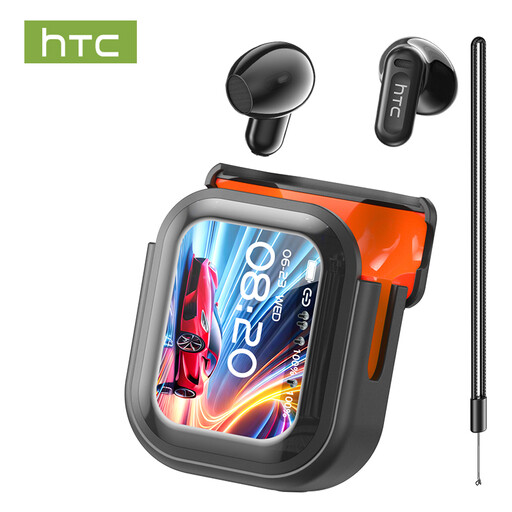 No image available
These semi-in-ear earbuds state a charging case, touch controls, a built-in microphone, multipoint connection and six-microphone call features.
Each earbud is stated as weighing 3.5 g, with approximately four hours of single-charge listening noted in the product information.
The product information gives conflicting case-battery totals of 55 and 12 hours, and conflicting Bluetooth versions; confirm the applicable specifications before buying.
 No image available
A foldable over-ear option for longer private listening sessions and bag carrying.
The product information states adaptive ANC, up to 40 hours with ANC, up to 60 hours with ANC off, USB-C charging and an eight-hour boost from five minutes of charging.
If calls or switching between devices matter, confirm the microphone, call controls and multipoint support before buying.
Choose true wireless earbuds if pocketability is the priority: Which? identifies them as the most portable headphone type. Choose over-ear wireless headphones if you can carry a larger item and value the format’s typical strengths in battery life and noise control; Which? also notes the trade-off of greater bulk and weight.
Check the exact model for a built-in or inline microphone, call controls and information specifically about calls; ANC alone does not establish call quality. If you use a phone alongside another device, check whether the model supports multipoint and how it handles calls from both devices; Bose notes this can happen with its QuietComfort Ultra Headphones.
Only if you have verified a compatible adapter for that device. Apple states that its USB-C to 3.5 mm Headphone Jack Adapter connects 3.5 mm headphones and other audio devices to a USB-C port; check the source-device connector before buying either the headset or adapter.
RNID advises taking regular breaks of at least five minutes every hour and using a device volume limiter if one is available. This is guidance on listening level and does not mean consumer headphones are hearing-protection equipment.
For distance purchases, GOV.UK says customers can generally cancel within 14 days of receiving an item, subject to applicable exceptions and handling rules. GOV.UK also says a trader must repair or replace an accepted faulty item returned within six months unless the trader can prove it was not faulty when sold.