
24/7 Customer Support

Free returns

Same-day & Next-day Delivery

Quality Guaranteed

Unlock Your Welcome Offers: FREE Delivery | Up to 80% OFF | Free 30-day JoyPlus trial
Download the APP
Choosing puddings and custard desserts should be simple, but supermarket-style packaging can make products appear more similar than they are. A ready-to-serve custard, a powder mix and an Asian dessert pot may all sit within the same shopping category, yet differ considerably in preparation, storage, allergens, sweetness and suitability for children.
This guide helps UK households compare options clearly, avoid common buying traps and select desserts that suit their routines.
Ready-to-serve custard is convenient because it can usually be enjoyed cold or gently heated. However, opening the pack changes its storage requirements. For example, several custard products recommend refrigeration and consumption within three days after opening.
Check whether the product is:
A large family pack may offer a lower cost per serving, but it is not economical if leftovers are discarded.
Terms such as vegan, dairy-free, vegetarian and low-fat custard need to be checked against the ingredient list and allergen statement.
Alpro Smooth Chocolate Dessert is plant-based and suitable for a vegan diet, but it contains soya. Coconut-based desserts may also include milk-derived ingredients. Honor Coconut Milk Sago Pudding, for instance, contains coconut milk powder with sodium caseinate, a milk ingredient.
For allergies or medically required exclusions, always read the latest UK label rather than relying on front-of-pack wording.
A product designed for babies is not simply a smaller adult dessert. Heinz Creamy Rice Pudding is labelled for children aged 6+ months, while Ella’s Kitchen Dairy Free Rice Pudding is labelled for 7+ months. Their preparation instructions and storage periods also differ.
Similarly, a dry custard powder requires careful preparation with hot liquid, while dessert cups may be ready to eat. Consider who will serve the product and whether the preparation method is practical in your kitchen.
Choose according to how much effort you want to spend:
Review the directions before adding a product to your basket. Some baby pouches should not be microwaved, while ceramic ramekins require safe handling and should not be exposed to sudden temperature changes.
Look for clearly declared allergens in bold on the packaging. Common ingredients in this category include milk, wheat, soya, sesame, pistachio and gelatine.
Those seeking a dairy-free dessert can consider a plant-based or coconut-based option, but “coconut” does not automatically mean dairy-free. People following a vegan diet should also check for milk derivatives, gelatine and other animal-derived ingredients.
For children, compare the recommended age, texture, added sugar statement and portion size. “No added sugar” means the product may still contain naturally occurring sugars from fruit or milk.
Nutrition panels help compare products without relying on marketing language. For example, Ambrosia Light Devon Custard lists 78 kcal per 100g, while Ambrosia Devon Custard lists 96 kcal per 100g. These figures are useful for comparison, but portion size still matters.
Also check:
For reduced-fat choices, compare the full nutrition panel rather than assuming “light” means low in every nutrient.
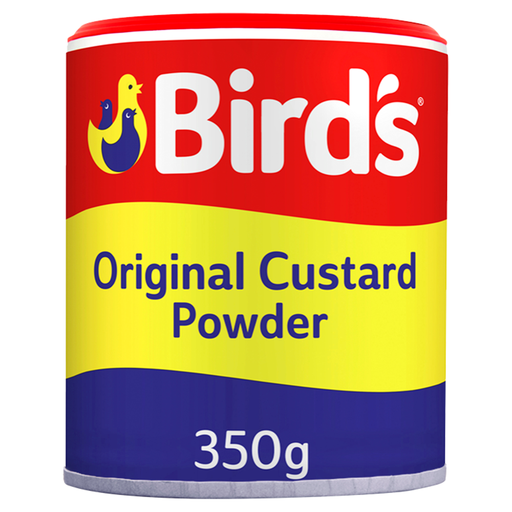
Why This Fits Their Persona: A dry mix is practical for UK cupboards, allowing shoppers to prepare the amount needed for pies, crumbles, sponge puddings or trifles.
The 350g powder format avoids opening a large ready-made pack when only a small quantity is required. It may contain milk, so check the label carefully.
Ambient storage before preparation; adaptable quantity; suitable for traditional British desserts.

Why This Fits Their Persona: This ready-to-serve custard suits shoppers who want a familiar British dessert accompaniment with minimal preparation.
The 400g can is more manageable for occasional use than a 1kg family pack. After opening, transfer leftovers to the fridge and consume within three days.
Ready to serve hot or cold; contains milk and is suitable for vegetarians; 400g format.

Why This Fits Their Persona: The larger pack suits families serving custard with crumbles, pies or puddings several times, particularly when a shared dessert is part of the weekly routine.
The stated 1kg quantity and approximately eight servings make portion planning clearer than buying several small containers. It still requires refrigeration after opening.
1kg family pack; 78 kcal per 100g; provides a lower-sugar and lower-fat formulation than the standard version according to the product information.
For a vegan dessert, Alpro Smooth Chocolate Dessert comes in four 125g pots and uses a soya-based recipe. It provides a portion-controlled chocolate dessert, although its sugar and soya content should be checked against individual dietary needs.
For baby-friendly options, Heinz Creamy Rice Pudding offers four 100g pots for children aged 6+ months, while Ella’s Kitchen provides a dairy-free rice pudding with bananas and berries for children aged 7+ months. Follow the stated instructions and check the label before serving.
For Asian desserts, Shan Sweet Kheer Pista is a kheer mix containing rice, pistachio, cardamom and saffron. Honor Coconut Milk Sago Pudding combines red bean and tapioca pearls. Both offer different textures from traditional British desserts, but allergen information is particularly important.
We have compiled a complete, real-time list of products that fully satisfy these strict selection criteria and UK safety regulations.
Ready-to-serve custard requires little preparation and can be served cold or warmed gently. Custard powder takes longer to prepare but lets you control the quantity and thickness. Choose the format that matches how often you serve desserts and how much storage space you have.
This varies by product, so check the packaging. The custards listed here commonly recommend refrigeration after opening and use within three days. Do not rely on appearance or smell alone when deciding whether a refrigerated food remains suitable.
Check the minimum age, ingredients, allergen declaration, added sugar statement, texture, heating instructions and storage guidance. Adult desserts such as jelly, chocolate dessert or kheer mix should not automatically be treated as baby products. Follow the manufacturer’s directions and seek appropriate professional advice if your child has an allergy or specific dietary requirement.