
24/7 Customer Support

Free returns

Same-day & Next-day Delivery

Quality Guaranteed

Unlock Your Welcome Offers: FREE Delivery | Up to 80% OFF | Free 30-day JoyPlus trial
Download the APP
From hearty stews to vibrant salads, pulses and grains are the foundation of a well-stocked pantry. They are celebrated for being affordable, versatile and packed with nutrients. Yet, navigating the supermarket aisle can be confusing. With so many options, from dried and canned to ready-to-eat pouches, it is easy to make choices that do not align with your health goals or budget.
As a Joybuy Product Recommendation Officer, my role is to help you see past the marketing jargon. Here, we will look at the common pitfalls when shopping for pulses and grains and provide clear guidance on how to select the right products for your kitchen.
To ensure you are making a sound purchase, focus on these key parameters. They will help you find high-quality vegan pantry staples and other essentials that fit your lifestyle.
The right format depends entirely on your cooking habits, storage space and how much time you have.
Not all pulses are created equal. Different varieties offer unique textures and flavours suited for different dishes.
Based on a practical assessment of ingredients, value and user needs, here are some recommended products for different types of home cooks.
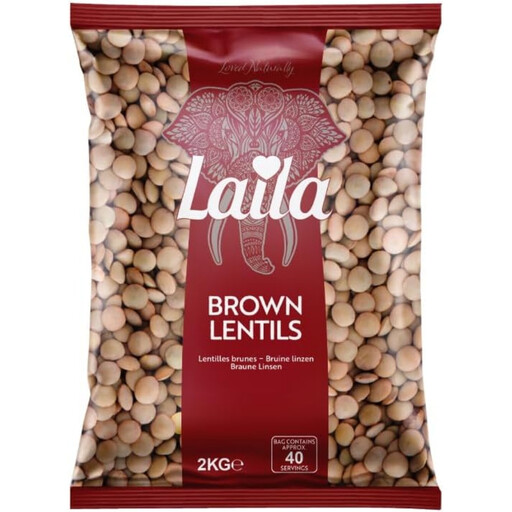
Why This Fits Their Persona: This 2kg pack offers excellent value for those who cook in large batches. Brown lentils are incredibly versatile, forming a nutritious, high-protein base for everything from soups and stews to veggie burgers, making them a cornerstone for weekly meal prep.
It sidesteps the bulk-buy misstep because a dedicated meal prepper will use this quantity efficiently, making the cost-per-serving genuinely low without the risk of waste.
A natural source of plant-based protein and dietary fibre. The single-ingredient pack gives you full control over sodium and flavour.
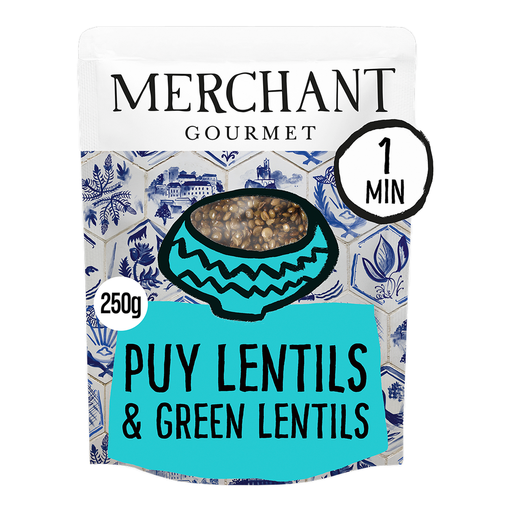
Why This Fits Their Persona: For those who need a nutritious meal in minutes, this pouch is ideal. The lentils are pre-cooked and ready to be added to salads, stir-fries or served as a side, providing a quick and simple way to get a high-protein, high-fibre meal without the fuss.
This product avoids the convenience trap with a clean ingredient list: cooked lentils, onion, olive oil and bay leaf. It delivers on speed without relying on high salt or artificial additives.
The Puy lentils retain a pleasant, firm texture. The product is ready to eat hot or cold, offering maximum versatility for busy schedules.
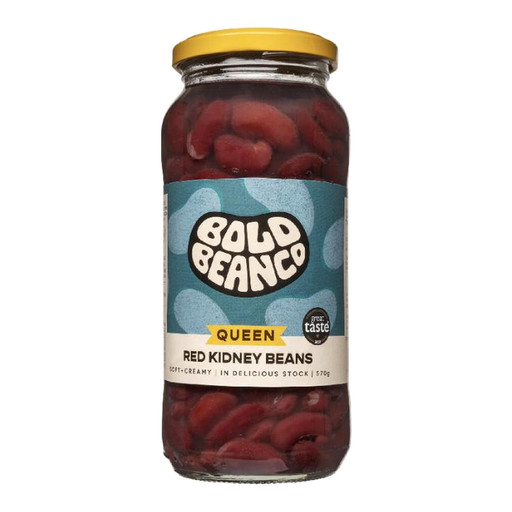
Why This Fits Their Persona: This cook values superior flavour and texture. These heirloom red kidney beans are slow-cooked to achieve a creamy, tender interior that is noticeably different from standard canned varieties, elevating dishes like chilli or ragu.
It justifies its premium by delivering a tangible quality upgrade. The difference in taste and creaminess is immediately apparent, showing that you are paying for a better product, not just a label.
Packed in a glass jar with their own natural, flavourful stock, which can be used to add depth to sauces. The ingredient list is minimal: beans, water and salt.
We have compiled a complete, real-time list of products that fully satisfy these strict selection criteria and UK safety regulations.
The key is to protect them from air, moisture and pests. Once opened, transfer dried goods from their original packaging into an airtight container. Store this container in a cool, dark and dry place, such as a kitchen pantry or cupboard away from the oven. This will help maintain their quality for many months.
For the most part, yes. The core nutritional profile, including the protein and fibre content, is very similar between cooked dried beans and their canned counterparts. The main difference to watch for is the sodium content in canned varieties. To manage this, you can choose options with no added salt or simply give the beans a thorough rinse under cold water before using them, which removes a significant portion of the salt.
Start with simple swaps and additions. Add a can of lentils or chickpeas to bulk up soups, stews and curries. You can replace some of the mince in a bolognese or chilli with red kidney beans. Use cooked quinoa as a nutritious base for salads instead of just lettuce, or serve a pouch of ready to eat lentils as a quick and healthy side dish with your evening meal.