
24/7 全天候客户支持

免费退货

当日/次日达

品质保障

开启新人专享福利: 全场免邮 | 低至 2 折 | 免费试用 30 天 JoyPlus 会员
下载 Joybuy
When you’re pushing for a new personal best, the last thing you need is your gear holding you back. For many athletes, Puma mens compression shorts are a go-to for support and performance. Yet, navigating the options can be tricky. Many products promise performance but deliver discomfort, leaving you with gear that chafes, loses its shape or fails to manage moisture effectively. This guide cuts through the clutter, helping you identify the key features that matter for your sport.
As a Joybuy Product Recommendation Officer, my role is to filter market information to provide clear, practical shopping advice. Let's look at the common pitfalls to avoid and the essential features to look for when choosing your next pair of performance shorts.
Before investing in new athletic wear, be aware of these frequent issues that can turn a promising purchase into a disappointing one.
To ensure your gear works as hard as you do, focus on these three non-negotiable technical specifications.
The fabric blend is the foundation of any performance garment. Most Puma short tights use a combination of polyester and elastane. Polyester provides durability and moisture-wicking properties, while elastane delivers the essential stretch for a supportive, non-restrictive fit.
Pay attention to the fabric weight, often measured in Grams per Square Metre (GSM).
Look for proven fabric technologies. For example, Puma dryCELL shorts feature a material engineered to pull moisture directly away from the skin and disperse it across the fabric's surface. This allows sweat to evaporate quickly, keeping you drier and more comfortable, and preventing that heavy, saturated feeling. It's a crucial feature for maintaining focus during demanding training.
For any activity involving repetitive motion, such as in men's running tights or gym compression shorts, seam quality is paramount. Always look for shorts constructed with flatlock seams. Unlike traditional raised seams, these are stitched flat against the fabric, minimising the risk of friction and chafing. This small detail makes a significant difference in comfort over long distances or during extended workouts.
To help you find the right fit for your specific needs, here are some recommendations matched to different athlete profiles.
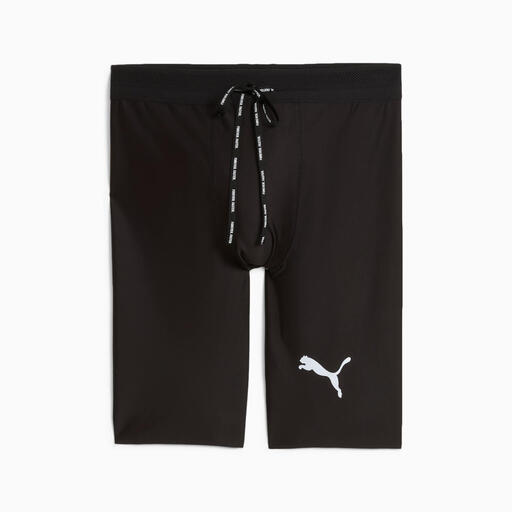
Why This Fits Their Persona: This athlete needs robust support for long distances and practical features for training. The 9-inch inseam provides good coverage, while the bonded pockets offer secure, bounce-free storage for keys or energy gels on the road.
The high-density 240 GSM tricot fabric provides genuine compressive support, not just a tight feel, helping to stabilise muscles during high-impact strides.
Features dryCELL technology for effective moisture management and a secure mesh waistband with drawcords to prevent slipping during long runs.
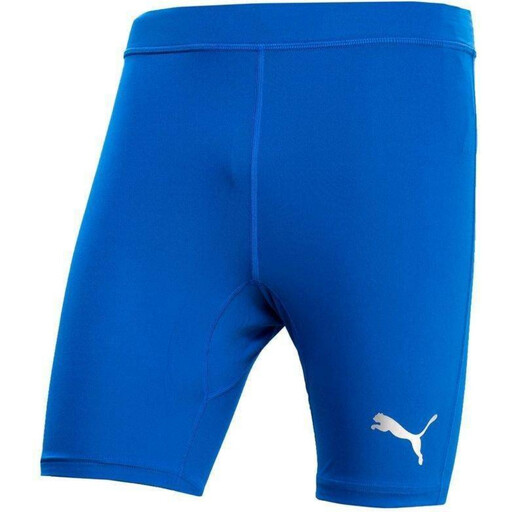
Why This Fits Their Persona: A team sport player needs a baselayer that feels like a second skin, allowing for explosive movements without restriction. This model is designed for agility and breathability under a main kit.
Engineered with flatlock seams and a strategic gusset, this design directly combats the risk of chafing during the sprints, tackles and quick directional changes common in football.
The lightweight 180-220 GSM fabric and dryCELL technology prioritise breathability and quick-drying performance, preventing the shorts from becoming heavy with sweat during a 90-minute match.
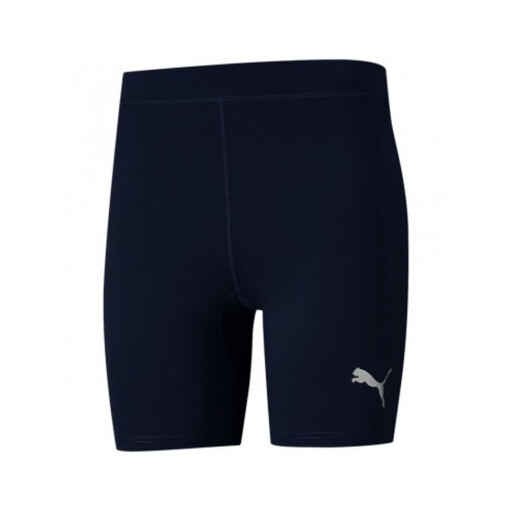
Why This Fits Their Persona: This user needs versatile gear that performs well across a range of activities, from weightlifting and HIIT to cardio machines. The balance of light compression and flexibility is key for unrestricted movement.
The polyester/elastane blend offers performance-driven flexibility, ensuring the shorts move with the body during deep squats or dynamic exercises without feeling restrictive or losing their supportive shape.
The dryCELL fabric effectively manages sweat during high-intensity intervals, while the durable construction holds up to the rigours of frequent gym use and washing.
We have compiled a complete, real-time list of products that fully satisfy these strict selection criteria and UK safety regulations.
The primary difference lies in their intended use and construction. The Puma Raceday series is typically engineered for running, featuring a heavier GSM fabric (around 240) for more robust muscle support and often includes practical details like secure pockets. The Puma Liga series is designed as a versatile, lightweight baselayer (around 180-220 GSM) ideal for football and other team sports, prioritising breathability and a "second-skin" feel for maximum agility.
They should feel snug and supportive against your muscles without restricting your range of motion or circulation. The fit should be compressive but not uncomfortably tight. The waistband should sit securely without digging in, and the leg hems should not ride up during activity. Always check the brand's size guide and consider your primary activity when choosing a size.
Yes, many runners wear compression shorts as their outer layer, especially in warmer weather. Models with a higher GSM and a longer inseam, like the Raceday 9" shorts, provide sufficient coverage and are opaque enough to be worn alone. Lighter baselayer models are often designed to be worn under a main pair of shorts. The choice ultimately comes down to personal comfort and the specific design of the shorts.