
24/7 Customer Support

Free returns

Same-day & Next-day Delivery

Quality Guaranteed

Unlock Your Welcome Offers: FREE Delivery | Up to 80% OFF | Free 30-day JoyPlus trial
Download the APP
Pumpkin snacks cover a wide range of products, from roasted pumpkin seeds and flavoured pumpkin seeds to puffed crisps, seed blends and family-friendly portions. That variety is useful, but attractive packaging can make it difficult to compare what is actually inside the bag.
Three common buying traps deserve attention:
Ingredients are listed in descending order by weight. If pumpkin is a priority, check whether the product contains whole pumpkin seeds or only pumpkin powder and flavouring.
For example, a pumpkin seed snack should normally list pumpkin seeds near the beginning of the ingredient list. A pumpkin crisp may instead be made mainly from wheat flour, palm oil, tapioca starch and seasoning. That does not make it unsuitable, but it places it in the savoury crisp category rather than the same nutritional group as roasted pumpkin seeds.
Also look for UK allergen declarations. Common ingredients in this category include:
Pumpkin seeds and seed blends can provide useful texture and variety, but their energy and fat content is typically higher than that of puffed snacks. Compare the nutrition panel rather than relying on terms such as “natural” or “nutritious”.
Useful figures to check include:
The San Pang Dan five-spice pumpkin seeds list 559 kcal and 0.7g salt per 100g, while the salted baked version lists 581 kcal and 1.71g salt per 100g. These figures show why flavour preference and serving size should be considered together.
For children, follow the product’s age guidance and warnings. Snacks should be eaten while seated and supervised where applicable. Products containing sweeteners or colourings should also be checked carefully against the packaging information.
Choose individually packaged pumpkin seeds for school bags, commuting and office drawers. A larger resealable pouch may suit sharing or use as a topping for yoghurt, salads and porridge. Ready-to-eat crisps work for quick snacking, while frozen pumpkin croquettes require cooking and are better treated as a side dish or party food.
Storage instructions also matter. Most dry snacks should be kept in a cool, dry place and consumed promptly after opening. Seed blends such as flaxseed, sunflower, pumpkin and chia mixes may require refrigeration after opening and should be used within the stated period.
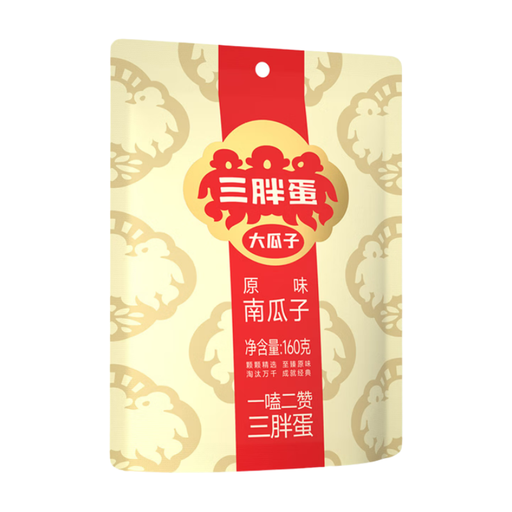
Why This Fits Their Persona: An uncomplicated option for students, families and first-time buyers who want traditional roasted pumpkin seeds in eight 20g packs.
The ingredient list contains pumpkin seeds without added flavouring, and the individual packs help limit how much is opened at one time.
Original roasted flavour; 160g total weight divided into eight sealed portions.
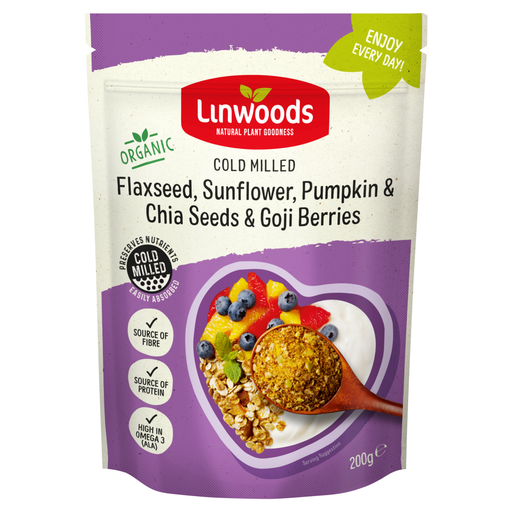
Why This Fits Their Persona: Suitable for shoppers who prefer a versatile seed blend for breakfast bowls, yoghurt, salads or baking rather than a ready-to-eat roasted snack.
The ingredient percentages are stated clearly, so buyers can see that pumpkin seeds form 15% of the blend rather than assuming it is a pumpkin-only product.
Contains flaxseed, sunflower, pumpkin and chia seeds with goji berries; provides stated 20g serving information.
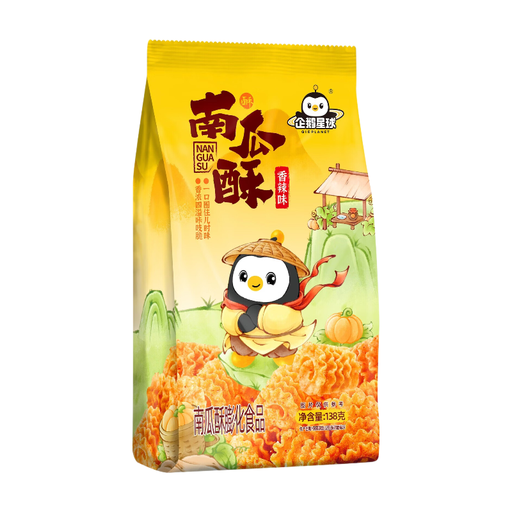
Why This Fits Their Persona: A ready-to-eat choice for sharing, commuting or adding variety to a Chinese snacks selection, with no preparation required.
The listing identifies wheat and sesame allergens and gives the pumpkin powder percentage, helping shoppers assess the product accurately.
138g shareable bag; spicy seasoning with garlic, Sichuan pepper and star anise; ready to eat.
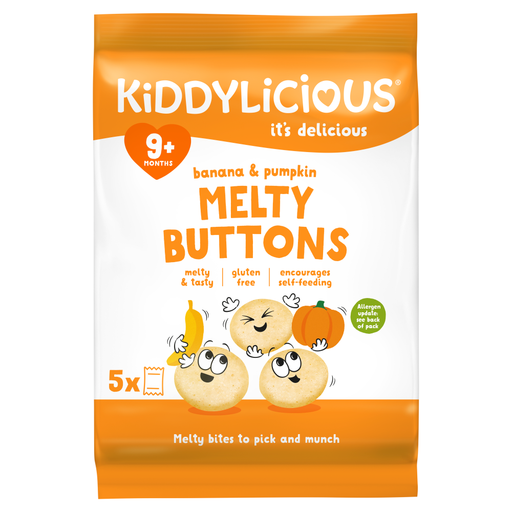
Why This Fits Their Persona: Designed for babies aged 9 months and over, these small portions suit supervised self-feeding at home or while travelling.
The age guidance, six-gram packs and melt-in-the-mouth format are stated on the product information. Always supervise and check the label before serving.
Five individually portioned packs; contains banana and pumpkin powders; listed without added salt, dairy, egg or nuts.
We have compiled a complete, real-time list of products that fully satisfy these strict selection criteria and UK safety regulations.
Yes, provided the pack is practical for your routine and the label suits your dietary needs. Individually wrapped 20g portions can be convenient for school bags, desks and commuting. Check for seed, soya and other allergen information, and keep opened packs sealed to preserve texture.
They are different product types, so compare the nutrition panels rather than assuming one is automatically suitable for everyone. Roasted pumpkin seeds commonly contain more protein, while pumpkin crisps may contain wheat flour, starch and seasoning. Salt, energy per portion and ingredient percentages provide a more useful comparison than front-of-pack wording.
Some products may fit a vegan diet, but the recipe must be checked individually. Plain pumpkin seeds and certain seed blends can contain only plant ingredients, while seasoned products may include flavourings or processing aids that require closer inspection. The Yutaka pumpkin croquettes are described as vegan-friendly, but they require cooking, contain wheat and soya, and must be kept frozen. Always read the current packaging before purchase.