
24/7 Customer Support

Free returns

Same-day & Next-day Delivery

Quality Guaranteed

Unlock Your Welcome Offers: FREE Delivery | Up to 80% OFF | Free 30-day JoyPlus trial
Download the APP
Bringing a new puppy home is an exciting time, but it also comes with many questions. One of the most important is what to feed them. The shelves are filled with options, and navigating the labels can feel overwhelming. This guide is designed to help you understand the key considerations when choosing a puppy food, ensuring your new companion gets the nutritional support they need for a healthy, happy start in life.
We will walk through the differences between food types, explain common terms and offer some practical guidance to help you make an informed choice for your growing pup.
Before you decide, it's helpful to understand a few key factors. A puppy's nutritional needs are very different from an adult dog's, requiring specific formulations to support rapid growth, bone development and high energy levels.
One of the first choices you'll face is between wet and dry food. Neither is inherently better; the right choice often depends on your puppy's preferences and your lifestyle.
Pet food labels contain important information. Two terms you will frequently encounter are 'complete' and 'grain-free'.
When you look at the ingredients list, it's helpful to see a clearly named meat source, such as chicken, beef or turkey, listed high up. This indicates that protein, which is vital for muscle development, is a primary component. Additional ingredients like salmon oil (a source of omega fatty acids for skin and coat), prebiotics (for digestive health) and essential vitamins and minerals all contribute to a well-rounded diet.
Here are a few recommendations that cater to different needs and preferences, from wet food multipacks to large bags of dry kibble.
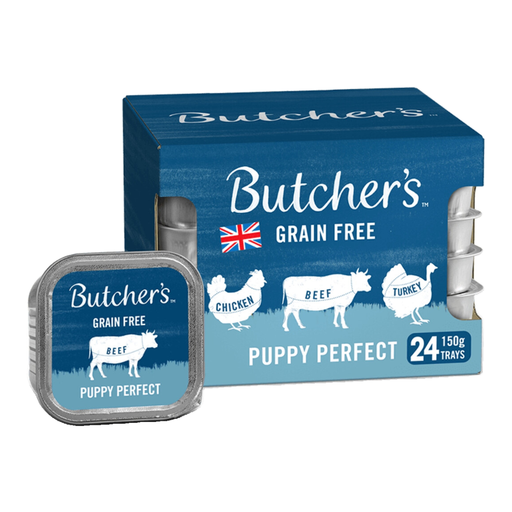
Why It Stands Out: This Butchers puppy food offers a grain-free wet food option made with meat sourced from British and Irish farms. The inclusion of salmon oil for omega fatty acids and prebiotics for digestion makes it a well-considered formula for a growing puppy.
Pros:
Who is it for: Owners looking for a high-moisture, grain-free wet food that is gentle on a puppy's digestive system. The multipack format is ideal for ensuring variety and convenience.
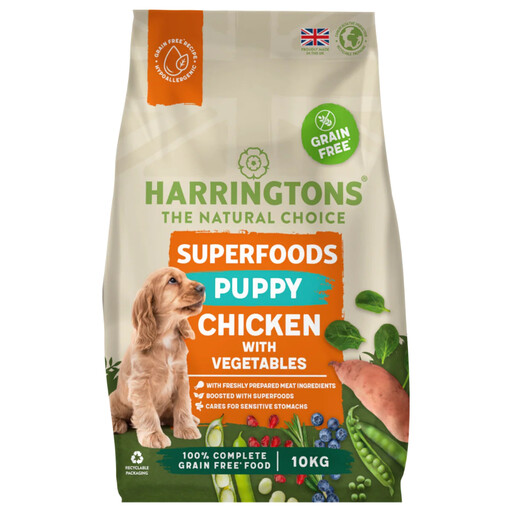
Why It Stands Out: This Harringtons puppy food is a grain-free dry kibble that puts meat first. It's enriched with a blend of superfoods like spinach and blueberries, providing additional antioxidants. The hypoallergenic formula is designed to be gentle on young digestive systems.
Pros:
Who is it for: Health-conscious owners seeking a high-protein, grain-free dry food packed with natural ingredients. The large 10kg bag offers great value for those with growing pups.
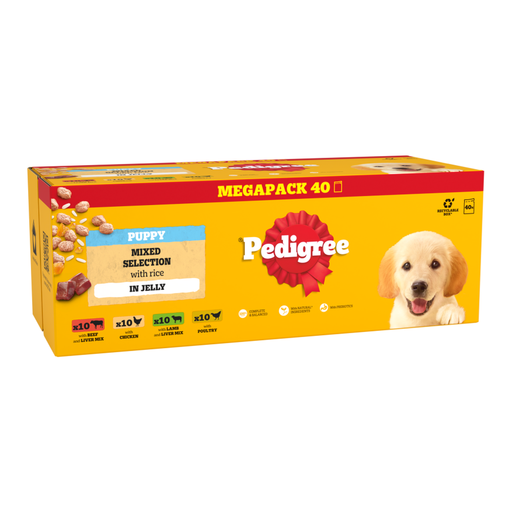
Why It Stands Out: A well-known name in pet care, this Pedigree junior food provides a complete and balanced meal in a large multipack. The formula is specifically designed with balanced calcium and phosphorus to support healthy bone development and includes Vitamin E to help support natural defences.
Pros:
Who is it for: Practical owners looking for a trusted, affordable wet food option that provides complete nutrition. The bulk pack is perfect for stocking up.
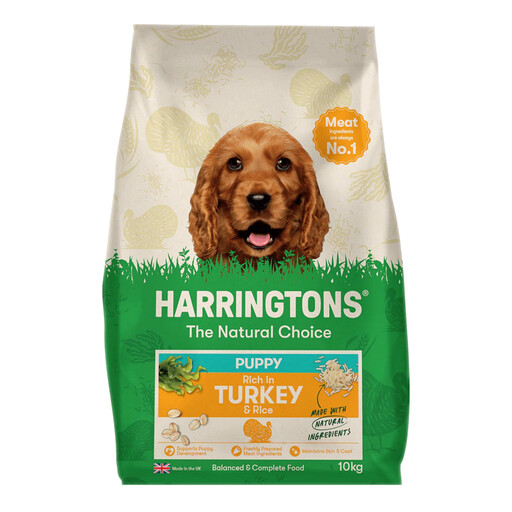
Why It Stands Out: Another strong offering from Harringtons, this dry food features turkey and rice. It includes beneficial ingredients like prebiotic FOS for digestion and seaweed for oral hygiene. This recipe contains wholesome grains like oats and rice, making it a great choice for puppies who thrive on a diet that isn't grain-free.
Pros:
Who is it for: Owners who prefer a high-quality dry food that includes beneficial grains. It's a solid, all-round option for puppies without specific grain sensitivities.
The needs of every puppy are unique, and the products featured here are just a starting point. If you're searching for different protein sources, specialised formulas or other pack sizes, you can find a wider selection to suit your companion.
Explore our full range of pure dog food to find the perfect match for your puppy.
1. How much food should I feed my puppy? The correct amount varies based on your puppy's age, breed and expected adult weight. All reputable puppy foods include a detailed feeding guide on the packaging. It's a good practice to start with these recommendations and adjust as needed based on your puppy's body condition.
2. When should I switch from puppy food to adult dog food? Generally, puppies are switched to adult food once they reach maturity. This happens around 12 months for small to medium breeds and can be up to 18-24 months for large and giant breeds. It's always a good idea to consult your vet for advice tailored to your specific dog.
3. Can I mix wet and dry puppy food? Yes, many owners choose to mix-feed. It can make meals more appealing and combines the benefits of both food types. If you do this, it's important to reduce the portion of each to avoid overfeeding. The packaging on some foods, like the Butcher's Puppy Perfect, provides guidance on how to replace a certain amount of wet food with dry food.