
24/7 Customer Support

Free returns

Same-day & Next-day Delivery

Quality Guaranteed

Unlock Your Welcome Offers: FREE Delivery | Up to 80% OFF | Free 30-day JoyPlus trial
Download the APP
Bringing a new puppy home is an exciting time, but navigating the world of puppy food can be overwhelming. The shelves are packed with bags and tins, all making bold claims. As a new owner, it's easy to fall into common traps that can be costly for your wallet and unhelpful for your puppy's development. My role as a Joybuy Product Recommendation Officer is to help you see past the marketing jargon and focus on what truly matters for your growing companion.
Before you make a choice, let's look at the most frequent pitfalls UK puppy owners encounter.
grain free puppy food has become a huge marketing buzzword. While essential for puppies with diagnosed grain allergies or sensitivities, it is not automatically a superior choice for every dog. Many grains like rice and oats are excellent sources of energy and nutrients. The trap is paying a premium for a grain-free label when your puppy has no medical need for it.large breed puppy food formula to a small breed can lead to excessive calorie intake, while feeding a standard formula to a large breed can cause them to grow too quickly, placing stress on their developing skeleton. Breed-specific nutrition is not a gimmick; it's a necessity.To ensure you're buying a food that genuinely supports your puppy's health, focus on these non-negotiable parameters.
This is the single most important factor. A complete puppy food is legally required to contain all the nutrients your puppy needs to thrive, in the correct balance. You can feed it to them every day without needing to add any other supplements. "Complementary" foods, on the other hand, are designed as toppers or treats and are not nutritionally balanced for a full meal. Always check the packaging for the term "complete and balanced".
The ingredients are listed by weight, so what you see first is what the food contains most of.
puppy food for sensitive stomachs.There is no single right answer here, as both have their place.
Instead of a generic list, we've matched some options to the distinct needs of different puppy owners across the UK.
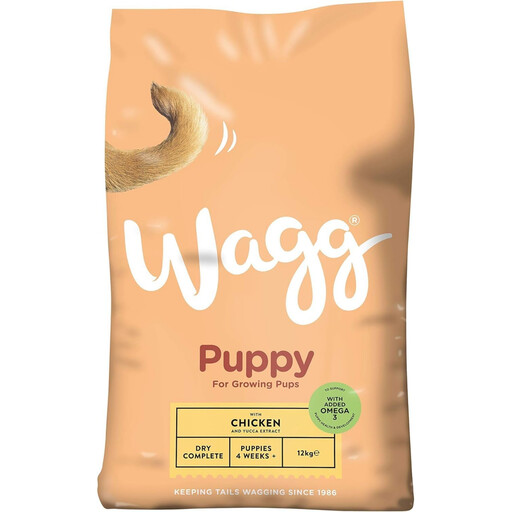
Why This Fits Their Persona: This large 12kg bag offers excellent value, providing a complete and balanced diet without a premium price tag. It's a practical choice for owners who need a reliable, no-fuss food that covers all the essential nutritional bases for a growing puppy.
It is clearly labelled as a complete puppy food, ensuring your puppy gets all required nutrients. While affordable, it specifies chicken as a key ingredient and includes beneficial additives like prebiotics.
Great cost-per-kilo in a large bag. Contains balanced calcium and vitamin D for strong bones and teeth, plus prebiotics to support healthy digestion.
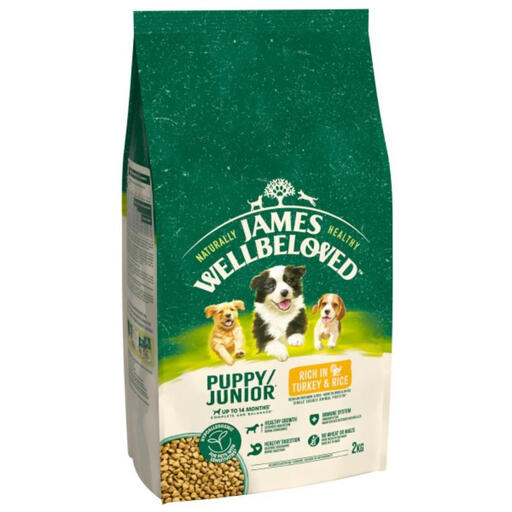
Why This Fits Their Persona: This is for the owner who has noticed their puppy has itchy skin or a delicate stomach. The hypoallergenic puppy food recipe is specifically formulated to reduce the risk of food intolerances.
It goes beyond the simple "grain-free" trend by using a single animal protein source (turkey) and excluding common allergens like beef, pork, soya, eggs and dairy, directly addressing the root of many sensitivities.
Gentle on the digestive system with easily digestible turkey and rice. Contains no artificial colours, flavours or preservatives, making it a more natural puppy food choice.
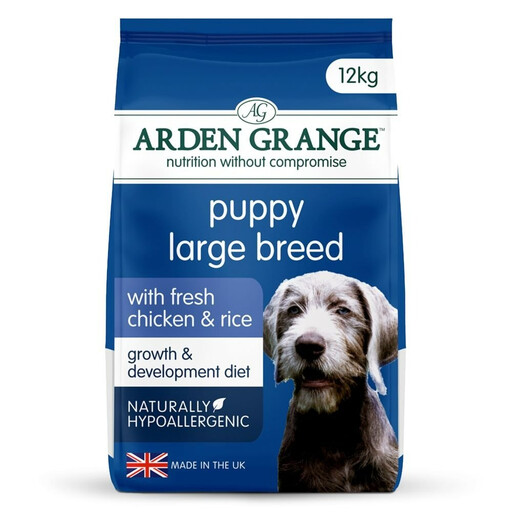
Why This Fits Their Persona: Perfect for owners of Labradors, German Shepherds, Golden Retrievers and other large breeds. This food is specifically designed to manage their growth rate and support their joints, which are under more strain.
It directly counters the "one-size-fits-all" myth by providing a specialist large breed puppy food. The formula has controlled levels of energy, calcium and phosphorus to ensure steady, healthy growth rather than a rapid growth spurt.
Includes added glucosamine, chondroitin and MSM to provide crucial support for developing joints and cartilage. Higher protein levels support the lean muscle mass needed for a larger frame.
We have compiled a complete, real-time list of products that fully satisfy these strict selection criteria and UK safety regulations.
The feeding guide on the packaging is a good starting point, but it's not a strict rule. You should adjust the amount based on your puppy's individual age, breed and daily activity level. The goal is to maintain a lean, healthy body condition where you can easily feel their ribs but not see them. It's often better to feed puppies 3-4 small meals a day rather than one or two large ones.
This depends on the breed size. Small breeds mature faster and can typically switch to adult food around 9-12 months. Medium breeds are usually ready at about 12 months. Large and giant breeds continue growing for much longer and may need to stay on a large breed puppy food or junior formula until they are 18-24 months old. Always transition to the new food gradually over 7-10 days to avoid digestive upset.
Dry puppy food is excellent for dental health and is more economical. Wet puppy food is great for adding hydration and tempting fussy eaters. Many owners find that a mixed-feeding approach, where they top the dry kibble with a spoonful of wet food, gives their puppy the benefits of both.