
24/7 Customer Support

Free returns

Same-day & Next-day Delivery

Quality Guaranteed

Unlock Your Welcome Offers: FREE Delivery | Up to 80% OFF | Free 30-day JoyPlus trial
Download the APP
Bringing a new puppy home is an incredibly exciting time, filled with cuddles, playful moments and the start of a wonderful friendship. It also comes with new responsibilities, like puppy-proofing your home and redirecting those sharp little teeth away from your furniture and shoes. The right selection of puppy toys is essential for navigating this stage, providing safe entertainment and supporting your new companion's development.
As the Joybuy Product Recommendation Officer, my role is to help you find practical and suitable products. This guide will walk you through what to look for in puppy toys and present some of our top recommendations to help you build the perfect new puppy starter kit.
With so many options available, selecting the right toys can feel overwhelming. Focusing on a few key factors will help you make a confident choice that keeps your puppy safe, happy and engaged.
A puppy explores the world with its mouth, so the materials of its toys are paramount. Look for items made from non-toxic, durable materials specifically designed for young dogs. Puppies have delicate teeth and gums, so avoid hard plastics or bones that could cause damage. Safe chews for puppies are typically made from softer, more forgiving materials like rubber, nylon or natural fibres that can withstand chewing without splintering. Always check product labels to ensure they are age-appropriate.
Different toys serve different needs in a puppy's development. A well-rounded collection should include:
Always choose toys that are the appropriate size for your puppy's breed and current weight. A toy that is too small can become a choking hazard, while one that is too large may be difficult for your puppy to play with. Supervise your puppy during playtime, and regularly inspect their toys for any signs of wear and tear. Any toy that is starting to break apart should be discarded immediately to prevent accidental ingestion of small pieces.
Based on their features, materials and suitability for young dogs, here are a few standout options to consider for your new arrival.

Why It Stands Out: This toy combines the comfort of a soft plush with the engagement of a sensory toy. The internal rattle stimulates a puppy's natural curiosity, while the soft cotton fabric is gentle enough for teething gums and cuddling.
Pros:
Who is it for: This is an excellent first toy for very young puppies. It's ideal for encouraging gentle play, providing comfort and introducing them to different sounds and textures.
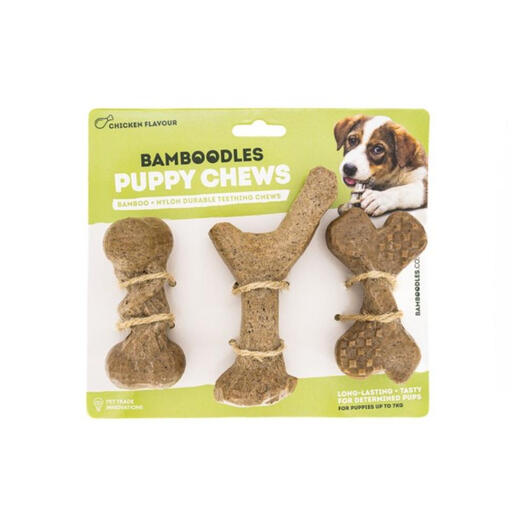
Why It Stands Out: Specifically formulated for teething, these puppy chews offer a safe and satisfying outlet for a puppy's intense need to gnaw. Made with bamboo fibre, they have a gentle texture that helps soothe gums without being too hard on developing teeth.
Pros:
Who is it for: Puppies who are actively teething and need a dedicated, safe chew to relieve discomfort. They are a great alternative to household items and harder chews meant for adult dogs.
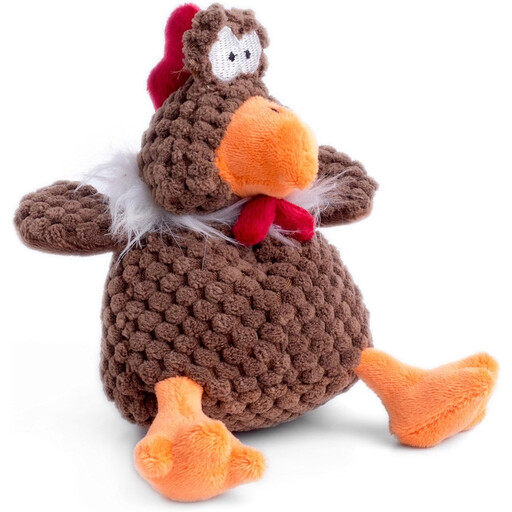
Why It Stands Out: This toy excels as a comfort object. Its luxuriously soft polyester fabric makes it perfect for snuggling, and its compact size is ideal for puppies and small breeds that love to carry their favourite toys with them.
Pros:
Who is it for: Puppies and smaller, quieter dogs that enjoy having a soft companion for their bed or crate. It's a source of comfort as much as it is a toy for gentle play.
Every puppy has a unique personality and preference for toys. While some love a good chew, others prefer a soft friend to snuggle with. If your new companion falls into the latter category, finding the right plush toy can make all the difference in helping them feel secure.
Explore our full collection of soft puppy toys to discover a wide range of shapes, sizes and textures to find their new favourite friend.
There is no magic number, but a good approach is to have a rotation of 4-5 different types of toys. This could include a chew toy, a puzzle toy, a soft toy and a fetch toy. Rotating them every few days helps keep your puppy from getting bored and maintains their interest.
Puppies typically begin teething around 3 to 4 months of age, and this is when puppy teething toys become most beneficial. However, you can introduce them earlier. Softer teething toys are great for gentle chewing even before the intense teething phase begins, helping your puppy learn what is and isn't acceptable to chew on.
Regular inspection is key. Check toys before and after each play session for signs of damage, such as cracks, sharp edges, loose threads or stuffing coming out. If a toy is breaking apart, it should be thrown away immediately to prevent your puppy from swallowing small pieces. Always supervise your puppy, especially with new toys.