
24/7 Customer Support

Free returns

Same-day & Next-day Delivery

Quality Guaranteed

Unlock Your Welcome Offers: FREE Delivery | Up to 80% OFF | Free 30-day JoyPlus trial
Download the APP
Bringing a new puppy home is an exciting time, filled with new experiences for both you and your furry companion. As you begin the journey of training and bonding, you'll quickly find that treats are an invaluable tool. However, the sheer variety of puppy treats on the market can be overwhelming. How do you choose one that's not only delicious but also beneficial for your growing pup?
This guide is designed to help you navigate the options. We'll break down what to look for in a quality treat and provide some practical recommendations to support your puppy's health and happiness, from their first "sit" to their daily rewards.
Before you fill your shopping basket, consider these key factors. A little knowledge goes a long way in selecting a treat that's both safe and suitable for your young dog.
The ingredients list is your most important resource. For healthy puppy treats, look for formulations that are specifically designed for puppies. This means they should be fortified with essential nutrients to support growth. Key things to check for include:
Not all treats serve the same purpose. The right choice depends on what you want to achieve.
Based on their formulation and suitability for different puppy needs, here are a few standout options to consider.
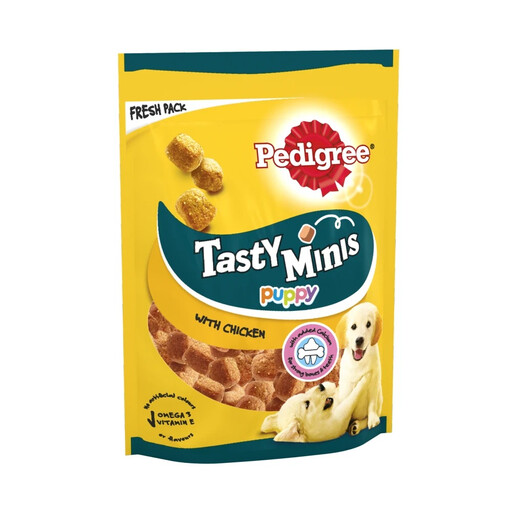
Why It Stands Out: These chicken puppy treats are a versatile option, designed with a puppy's specific developmental needs in mind. Their soft, chewy texture makes them easy for young dogs to manage, and they are packed with beneficial nutrients.
Pros:
Who is it for? This is a great all-rounder for owners of puppies aged 4 to 18 months. Its small size and nutritional benefits make it suitable for both rewarding good behaviour and for use during positive reinforcement training sessions.
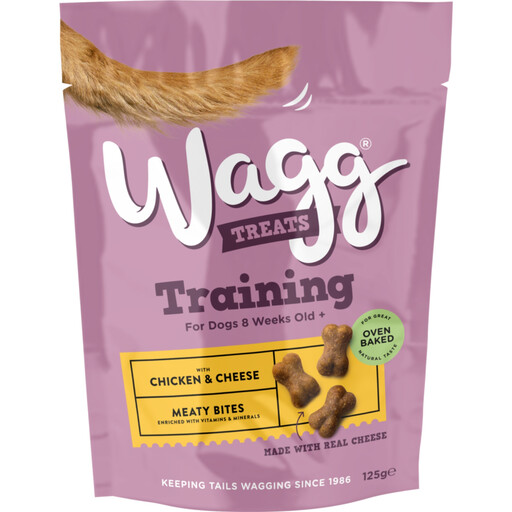
Why It Stands Out: Specifically designed for training, these treats are suitable for puppies from a very young age. The oven-baked recipe and lack of added sugar make them a sensible choice for frequent rewarding without overdoing the calories.
Pros:
Who is it for? Ideal for new owners who are starting obedience training right away. If you need a high-value reward that you can use frequently without worrying about added sugar, this is an excellent choice.
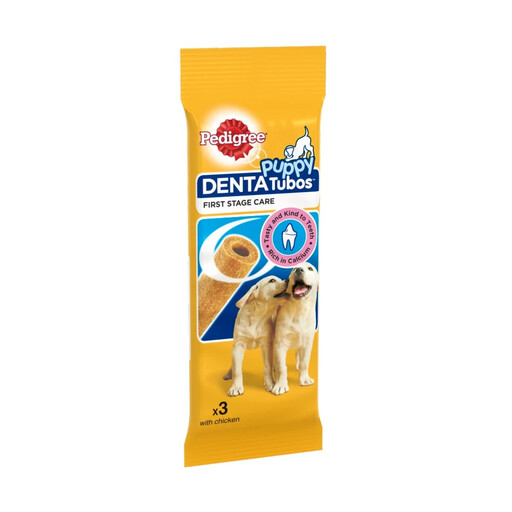
Why It Stands Out: These are not just treats; they are functional puppy dental chews. They address the common issue of puppy teething by providing a safe and satisfying chew that also supports oral health, thanks to a unique shape and softer texture.
Pros:
Who is it for? This is a must-have for owners of puppies between 4 and 12 months, especially during the teething phase. It provides a constructive outlet for chewing while contributing to your pup's dental hygiene.
Every puppy has its own preferences for flavour and texture. If the recommendations above aren't quite what you're looking for, or if you'd like to explore a wider variety of options, there are many more choices available.
To discover more treats tailored to different needs and tastes, feel free to browse our full collection of the best rated dog treats.
1. How many treats can I give my puppy a day? A good rule of thumb is the 10% rule: treats should make up no more than 10% of your puppy's total daily calorie intake. Always check the feeding guide on the packaging for specific advice and remember to adjust their main meal portion accordingly to maintain a healthy weight.
2. Are chicken puppy treats a good choice for all puppies? Chicken is a very popular protein source and is well-tolerated by most puppies. However, just like people, some dogs can have food sensitivities or allergies. When introducing any new food, including chicken puppy treats, it's best to start with a small amount and monitor your puppy for any signs of digestive upset.
3. When can I start giving my puppy dental chews? This depends entirely on the product. Always choose chews specifically labelled as puppy dental chews, as those designed for adult dogs can be too hard and may damage a puppy's delicate teeth. Products like the Pedigree Puppy DentaTubos are formulated for puppies from 4 months of age. Check the packaging for the minimum age and weight requirements before giving one to your pup.