
24/7 Customer Support

Free returns

Same-day & Next-day Delivery

Quality Guaranteed
Download the APP
Categories
Navigating the world of pure honey can feel surprisingly complex. With terms like 'raw', 'monofloral' and 'MGO' appearing on labels, it’s easy to feel unsure about which jar is right for your toast, your tea or your wellness routine. As a Joybuy Product Recommendation Officer, my role is to help you understand these differences so you can make a confident choice. This guide cuts through the clutter, offering practical advice and highlighting some standout options available to buy honey online.
Whether you're looking for a versatile natural sweetener, a specific British honey with local character or a potent Manuka honey, we'll explore what to look for.
Before diving into specific products, a few key considerations can help narrow your search and ensure you get exactly what you're looking for.
The term raw honey is a significant indicator of quality for many consumers. It generally means the honey is unpasteurised and has undergone minimal filtration. This process helps preserve the natural enzymes, pollen and antioxidants that are naturally present. In contrast, much of the honey found in large commercial outlets is pasteurised (heated to high temperatures) to create a clearer, smoother consistency and prevent crystallisation. While perfectly fine as a sweetener, this heating process can diminish some of its natural properties.
The taste, colour and aroma of honey are all determined by the type of nectar the bees collected.
Different honeys excel in different roles. A light, runny honey is ideal as a drizzle or for use in delicate recipes. A darker, more robust honey might be better suited for marinades or as a flavourful spread. If you're specifically interested in honey for immune support, you might look towards a high-strength Manuka honey with a certified MGO rating. For everyday honey for baking, a large, cost-effective jar of pure blended honey is often the most practical choice.
Based on their distinct characteristics and intended uses, here are a few recommendations from our curated selection.
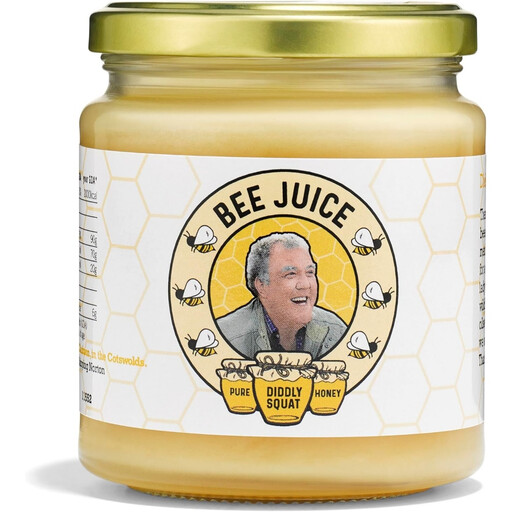
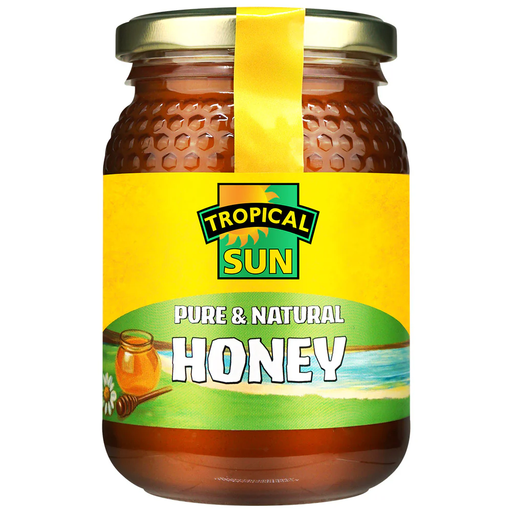

Our recommendations cover a range of needs, but the world of honey is vast and varied. If you're searching for a different floral variety, a specific regional honey or another MGO strength, there are many more choices to discover.
Explore Our Full Range of Pure Honey
Raw honey is typically not pasteurised (heated) or fine-filtered, which helps it retain more of its natural pollen, enzymes and antioxidants. Regular or commercial honey is often heated to kill yeast and filtered to remove particles, which gives it a longer shelf life and a clearer appearance but may reduce its natural beneficial compounds.
No, crystallisation is a natural process where the glucose in honey separates from the water content, forming crystals. It is a sign of pure, natural honey. To return it to a liquid state, simply place the jar in a bowl of warm (not boiling) water and stir gently until the crystals dissolve.
MGO stands for Methylglyoxal, a naturally occurring compound found in high concentrations in Manuka honey. The MGO number (e.g., MGO 250+) certifies the minimum amount of this compound in milligrams per kilogram. A higher MGO rating generally indicates a stronger concentration of Manuka's unique properties.