
24/7 Customer Support

Free returns

Same-day & Next-day Delivery

Quality Guaranteed

Unlock Your Welcome Offers: FREE Delivery | Up to 80% OFF | Free 30-day JoyPlus trial
Download the APP
Navigating the world of pushchairs can feel overwhelming. Whether you're preparing for your first baby, expanding your family, or even looking for a convenient way to transport a beloved pet, the choices are vast. The right pushchair should simplify your daily life, not complicate it. This guide is designed to cut through the clutter, offering practical advice to help you find a model that fits your family's unique needs, from a versatile stroller from birth to a practical double pushchair.
Making the right choice comes down to understanding your specific requirements. Here are a few key factors to consider that will help you narrow down the options.
How you spend your days will heavily influence the type of pushchair you need. If you live in a city and rely on public transport, a lightweight stroller with a compact, one-hand fold is essential. A foldable buggy that is easy to carry and store in tight spaces will make navigating buses and trains much smoother. For those who enjoy country walks or need to tackle varied terrain, look for models with robust suspension and durable wheels. If you travel frequently, a dedicated travel pushchair designed to fit in overhead compartments can be a worthwhile investment.
For newborns, safety and comfort are paramount. A pushchair suitable as a stroller from birth must have a seat that reclines to a fully lie-flat position. This is crucial for supporting your baby's spine and respiratory development in their first six months. Always check that the product complies with UK safety standards, such as EN 1888, which ensures the pushchair has undergone testing for stability, durability and structural integrity. Features like a five-point harness are standard for securing your child safely.
Your family's needs can change quickly. If you're planning on having another child soon, a convertible pushchair that can adapt from a single to a double pushchair might be a wise choice. A tandem pushchair, where one seat is in front of the other, is often narrower and easier to manoeuvre through doorways than side-by-side models. And for many households, pets are part of the family too. A dedicated pet stroller offers a safe and comfortable way to include smaller or older animals in your outings.
Based on features, versatility and user needs, here are some standout options to consider.
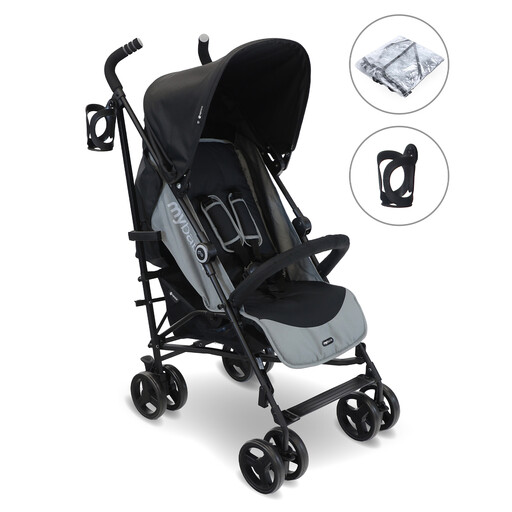
Why It Stands Out: This model is a true all-rounder, blending practicality with comfort. Its lightweight frame and compact umbrella fold make it an excellent choice for daily errands and travel. The fully reclining seat means it's suitable from birth, and features like all-round suspension and an extra-large sun canopy ensure a comfortable ride for your little one in various conditions.
Pros:
Who is it for? Parents seeking a single, versatile pushchair that can be used from the newborn stage right through to toddlerhood, with a focus on portability for urban living and travel.
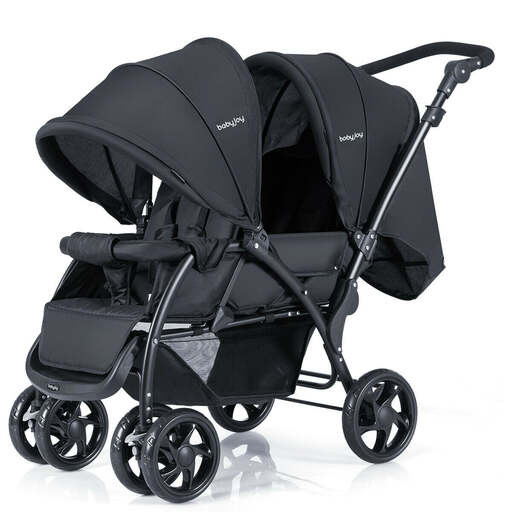
Why It Stands Out: Designed for growing families, this tandem pushchair accommodates two children of different ages. The rear seat is suitable from birth with its lie-flat capability, while the front seat is designed for older babies from six months. Its slim profile makes it easier to navigate shops and busy pavements than wider double models.
Pros:
Who is it for? Families with a baby and a toddler who need a practical, streamlined solution for getting around without the bulk of a side-by-side buggy.
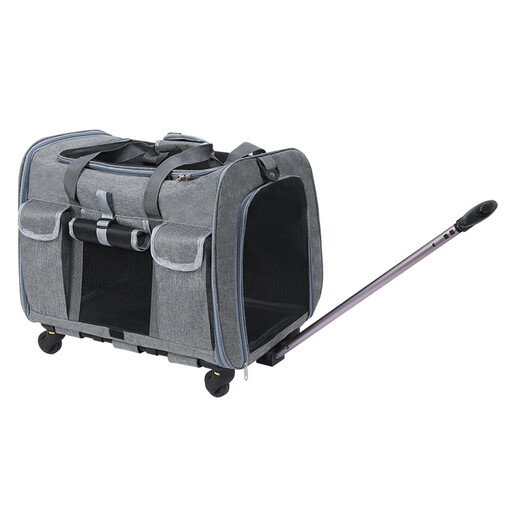
Why It Stands Out: This innovative pet stroller redefines convenience for pet owners. It’s more than just a stroller; the carrier bag detaches easily and can be lifted, carried, or towed with the adjustable pull rod. With mesh windows on three sides, it ensures your pet stays cool and comfortable while enjoying the view.
Pros:
Who is it for? Pet owners who want a flexible and comfortable way to take their small dog or cat on trips, to the vet, or on daily walks, especially if the pet has mobility issues.
If these selections aren't quite what you're looking for, don't worry. Every family's needs are different, and the right fit is out there. Explore our complete collection to find a wider variety of models, colours and features.
[Browse our full range of Pushchairs and strollers here.](https://www.joybuy.co.uk/explore/pushchairs-and-strollers/C9VhJQui)
1. What is the difference between a pushchair, a stroller and a buggy? In the UK, these terms are largely used interchangeably. "Pushchair" is a common, all-encompassing term. "Stroller" often refers to a more lightweight stroller or a secondary, more portable option. "Buggy" is a casual term that can refer to any type of pushchair.
2. At what age can a baby sit upright in a pushchair? Babies can typically start sitting in a more upright position once they have strong head and neck control, which usually happens around six months of age. Before this, it is essential to use a pushchair with a seat that reclines fully flat to protect their developing spine.