
24/7 Customer Support

Free returns

Same-day & Next-day Delivery

Quality Guaranteed

Unlock Your Welcome Offers: FREE Delivery | Up to 80% OFF | Free 30-day JoyPlus trial
Download the APP
From the classic 3x3 to mind-bending new forms, puzzle cubes are more than just toys; they are fantastic tools for developing problem-solving skills, improving concentration and providing a satisfying tactile challenge. However, the market is flooded with options and it is easy to end up with a cube that is more frustrating than fun. Many buyers find their new puzzle quickly becomes a source of annoyance due to poor design or misleading claims.
As the Joybuy Product Recommendation Officer, my role is to help you navigate the options and identify the key features that separate a quality puzzle from a disappointing one. Here are the common pitfalls to watch for.
To avoid these traps, focus on a few core parameters that define a cube's quality and suitability for your needs. Understanding these will help you choose a puzzle that performs well and lasts.
The "engine" of a puzzle cube is its internal mechanism. A quality cube, especially a speed cube, is designed for smooth, fluid rotation with minimal friction. A key performance indicator is corner cutting, which is the cube's ability to complete a turn even if the layers are not perfectly aligned. Good corner cutting makes solving faster and more forgiving, preventing the jams and lock-ups common in lower-quality puzzles. Look for descriptions that mention precision engineering or optimised internal structures.
The choice between a stickered and a stickerless cube comes down to durability and feel.
The right challenge level is crucial. Cubes are categorised by the number of layers per side.
Based on these practical criteria, here are a few puzzle cubes matched to different types of users.
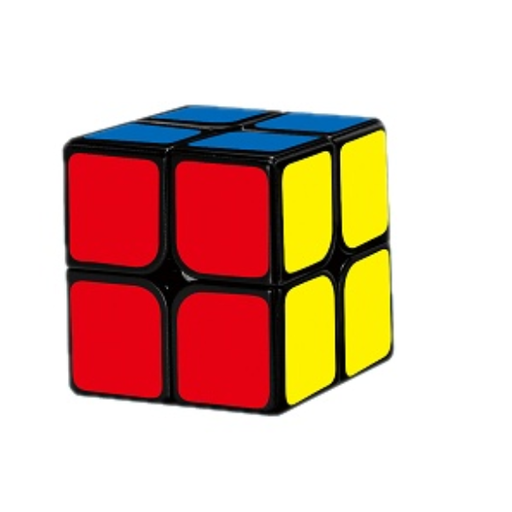
Why This Fits Their Persona: This 2x2 cube is an excellent entry point. Its simpler design is less intimidating than a 3x3, making it perfect for children or adults just starting their cubing journey. The compact 5.0 cm size is great for smaller hands and for taking on the go.
While marketed with "speed" in its name, its key benefit is an optimised mechanism that provides smooth, flexible turning, avoiding the jamming common in basic toy-shop cubes.
Ideal for learning the fundamentals of cubing and pattern recognition. The traditional sticker design offers a classic aesthetic with durable, vibrant colours.
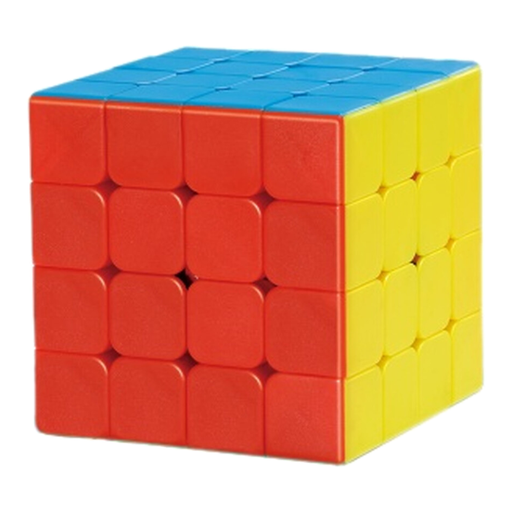
Why This Fits Their Persona: For someone who has mastered the 3x3, this 4x4 master cube is the logical next step. It introduces more complex algorithms and "parity" challenges not found in 3x3s, providing a fresh and engaging test of skill.
The vibrant, solid plastic stickerless design completely eliminates the peeling sticker problem, ensuring it can withstand countless hours of practice without showing wear.
It features precision engineering for smooth movement across all layers, a crucial feature for a more complex 4x4 puzzle. Made from durable ABS plastic for a reliable solving experience.
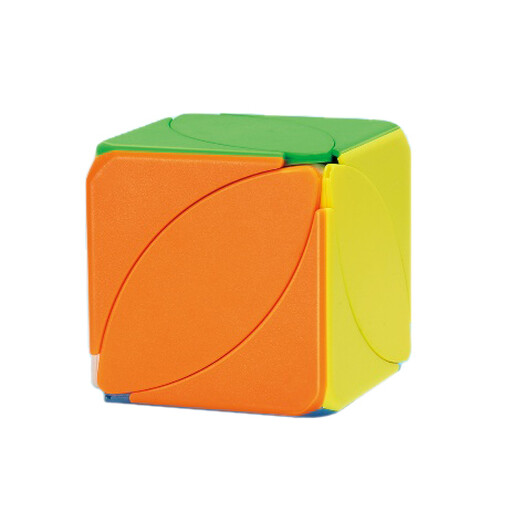
Why This Fits Their Persona: This is for the puzzler who wants something different. As a shape-shifting puzzle, it breaks the cubic mould. When scrambled, it becomes an unrecognisable jumble of pieces, offering a unique spatial reasoning challenge that is both fun to solve and visually striking on a shelf.
Unlike cheap novelty puzzles, this one is built with a smooth internal mechanism designed for its unique shape. The stickerless construction ensures its vibrant, solid colours will not peel, preserving its aesthetic appeal.
Offers a completely different solving experience from standard cubes. Its creative design makes it a great conversation piece and a standout addition to any puzzle collection.
We have compiled a complete, real-time list of products that fully satisfy these strict selection criteria and UK safety regulations.
The main difference lies in the internal mechanism. A speed cube is engineered for performance with features like magnets for stability, adjustable tension and advanced corner-cutting capabilities. A standard cube is designed for casual solving and typically has a simpler, more rigid mechanism that is prone to locking up if turned too quickly.
To maintain a cube, keep it clean by wiping it with a dry cloth. Avoid getting dust or dirt inside the mechanism. For speed cubes, performance can be maintained and improved by applying a small amount of specialised cube lubricant to the internal contact points. This reduces friction and keeps the turning smooth.
It depends on your preference. Stickerless cubes are objectively more durable as there are no stickers to peel or fade, making them a great choice for frequent use, for children or for anyone who prioritises longevity. However, some experienced cubers prefer the feel and look of a traditional stickered cube, and competitions often have specific rules regarding puzzle types. For most casual and intermediate users, a stickerless design is a very practical option.