What matters when choosing a drink or cup?
Start with who will drink it. A baby’s drink during weaning calls for different checks from a hot chocolate being bought for an older household member.
| Priority | What to check | Your needs |
|---|
| Baby’s drink |
Keep breast milk or first infant formula as the baby’s milk drink. From around six months, offer sips of water with meals; do not choose a hot-chocolate bag as the baby’s drink. |
I’m introducing solids and need to decide what to offer my baby to drink, not which hot-chocolate format to buy. |
| Cup type |
The NHS recommends an open cup or a free-flow cup without a valve for water with meals from around six months. Check the cup’s drinking edge and how it is intended to be used. |
I want my baby to practise sipping water at mealtimes. |
| Sweet drinks |
Do not treat a flavoured or reduced-sugar drink as a substitute for water during weaning. The NHS warns that flavoured milk and other sweet drinks can cause tooth decay; it does not recommend diet or reduced-sugar drinks for babies and toddlers either. |
A lower-sugar label might catch my eye, but I still need an appropriate everyday drink for my baby. |
| Hot drinks nearby |
Keep prepared drinks out of young children’s reach. Northern Ireland government guidance warns that hot drinks can still scald a child 15 minutes after being made. |
Someone else may be having hot chocolate while the baby is nearby. |
| Milk ingredients |
If the drink is for someone with a milk allergy or intolerance, read that exact pack’s ingredients and allergen declaration. The Food Standards Agency notes that milk can appear in milk powders and other dairy ingredients. |
I need to check the particular product before serving it to someone for whom milk is a concern. |
Hot-chocolate brand references
These are references for hot chocolate bought for someone other than the weaning baby. A brand range or shop category does not establish that an individual product is suitable for infant use or confirm its ingredients.
Cadbury
Cadbury’s UK range includes hot chocolate and cocoa products for general hot-drink use.
- The Cadbury range page identifies both hot chocolate and cocoa products.
- A place in that range does not make a product a drink for a weaning baby; check the individual pack for ingredients relevant to the intended drinker.
Galaxy
Tesco’s UK hot-chocolate listing includes Galaxy instant, frothy and drinking-chocolate products.
- The listing distinguishes several Galaxy hot-chocolate formats.
- None of those format names establishes suitability as a baby’s drink during weaning.
Options
Tesco and Sainsbury’s UK listings include Options hot-chocolate products, including an instant Belgian variety.
- The retailer listings let an adult buyer identify Options among other hot-chocolate products.
- Flavour or reduced-calorie positioning does not make a flavoured drink a substitute for a weaning baby’s milk feeds or water with meals.
Tesco
Tesco’s UK hot-chocolate category lists own-brand products alongside branded ones.
- Its listing includes an own-brand hot-chocolate option.
- Choosing between own-brand and branded hot chocolate does not answer what to give a baby during weaning.
Sainsbury’s
Sainsbury’s UK hot-drink category lists own-brand hot chocolate alongside Cadbury, Galaxy and Options products.
- The category provides several product names for someone buying hot chocolate for an older household member.
- A category listing cannot confirm the milk ingredients or allergen declaration on a particular pack.
M&S
The M&S UK food range includes instant hot chocolate, drinking chocolate and cocoa products described for preparation with warm milk or water.
- Its range description distinguishes hot-chocolate mixes from cocoa.
- These are not choices for a weaning baby’s drink; keep a prepared hot drink out of a young child’s reach.
A cup for the water-with-meals option
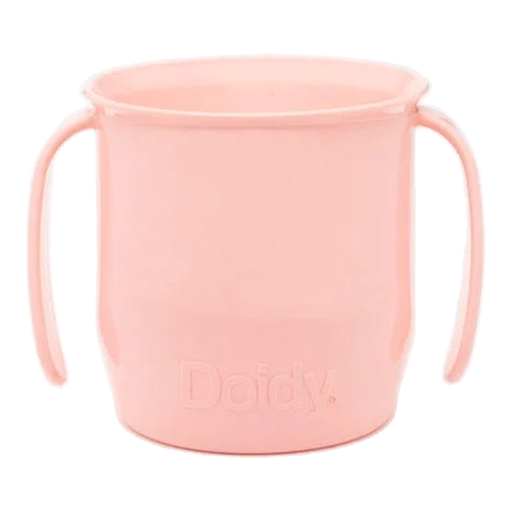
This Joybuy option is a cup to consider when offering water with meals during weaning, rather than a hot-chocolate pyramid bag. Follow the guidance to offer water from around six months even though the cup’s product name says 3+ months.
 No image available
Doidy Cup 3+ Months Pink
Consider this cup for practising sips of water with meals from around six months. Its 3+ months product label does not change that guidance; use the cup with adult supervision.
View on Joybuy
Questions about drinks during weaning
Can I give hot chocolate to my baby while weaning?
No. Do not choose hot chocolate as a drink for a baby under 12 months, whatever its packaging format. Continue breast milk or first infant formula, and follow NHS cup guidance by offering sips of water with meals from around six months.
Should I put chocolate powder in my baby’s bottle?
No. Hot chocolate is not the drink to choose for a weaning baby. For water with meals from around six months, NHS guidance recommends introducing an open cup or a free-flow cup without a valve.
What cup should I use for water during weaning?
From around six months, offer sips of water with meals in an open cup or a free-flow cup without a valve. The NHS says these help a baby learn to sip and are better for their teeth than a teat-style bottle or non-spill valve.
Do I need to check a hot-chocolate pack for milk?
Yes, if it will be served to someone with a milk allergy or intolerance. The Food Standards Agency identifies milk as an allergen that can appear in milk powders and other dairy ingredients, so read the ingredients and allergen declaration on the exact pack.
Can a prepared hot drink still scald a young child?
Yes. Northern Ireland government guidance warns that hot drinks can still scald young children 15 minutes after preparation. Keep them out of a baby’s reach.


