Campers carrying a mug, not a brewer
A pyramid or standard immersion coffee bag lets you make a cup with hot water and a mug. Check the pack’s preparation method if a particular steeping time matters to you.


Choose individually wrapped pyramid coffee bags if separate portions and that specific format matter to you: Raw Bean describes its Revive bags as pyramid-shaped, with 12 g of coffee in each envelope. Standard coffee bags offer a mug-and-steep alternative, while one-cup filters suit a pour-through brew if you can keep the filter stable on your mug. Check the exact pack’s wrapping, preparation method and disposal instructions before travelling.
The useful distinction is how you want to make a cup at camp and whether each portion needs its own envelope.
A pyramid or standard immersion coffee bag lets you make a cup with hot water and a mug. Check the pack’s preparation method if a particular steeping time matters to you.
Individually enveloped bags keep servings separate in a daypack. Check the exact pack: Percol describes its 10-bag packs as individually enveloped, but not its 20- and 60-bag packs.
Compare the named blend and its label rather than assuming all coffee bags contain the same coffee. Taylors of Harrogate offers a Decaffé coffee bag for those seeking a decaffeinated option.
Start with the brewing method, then check the exact pack’s wrapping and the practicalities of using it at your campsite.
| Priority | What to check | Your needs |
|---|---|---|
| Brewing method | Check whether the coffee bag steeps in a mug or the filter sits over it. For a one-cup filter, check how it rests on your cup and where to pour the water. | I want to make coffee with a mug and hot water, without handling loose grounds. A pour-through filter is an option if I can set it securely on the cup. |
| Portion protection | Look for individual-envelope wording on the exact pack; do not assume every pack size from one brand is wrapped the same way. Keep opened packs protected from damp. | Separate servings matter when I am packing coffee alongside other camping food, especially if I will take only a few portions out for the day. |
| Coffee and preparation | Compare the stated coffee dose, blend and caffeine description. Follow the preparation time and water instructions for the product you pack. | I may want a particular flavour profile or a decaffeinated bag, and I need to know how to prepare that blend at camp. |
| Used bags and filters | Read disposal instructions for the coffee bag or filter and its outer packaging separately. Check which waste streams the campsite actually accepts. | I need a way to take used items away if there is no suitable collection point; a compostable description alone does not settle campsite disposal. |
Raw Bean calls its Revive bags pyramid-shaped; a product described simply as a coffee bag does not establish that construction.
If the pyramid format is why you are choosing the product, confirm it on the exact pack description.
Percol describes individual envelopes for its 10-bag packs but not its 20- and 60-bag packs. Raw Bean also distinguishes enveloped cases from loose retail bags.
Check the wrapping of the pack size you intend to take, particularly for a damp-prone bag.
Rombouts instructs users to stabilise its one-cup filter on the cup and pour water to a line; the filter does not steep inside the mug like an immersion bag.
Choose the format whose preparation method works with your mug and campsite setup.
Percol’s food-waste instruction depends on the local authority, while Rombouts describes home composting or food-waste disposal for its filter.
Check the campsite’s accepted waste streams and be ready to carry used items out.
These brand examples illustrate different coffee formats; they do not indicate that every product line or pack is individually wrapped.
Its Revive line is a pyramid-bag option for campers seeking separately enveloped portions.
A standard immersion coffee-bag option, including a Decaffé blend.
A standard coffee-bag option with pack sizes that differ in individual wrapping.
Its Original One Cup Filters provide a pour-through alternative to immersion coffee bags.
Its coffee-bag range includes House Blend and Jump Start.
These options cover standard coffee bags and pour-through, single-cup filters for a camping brew. If pyramid construction is essential, confirm it on the specific product before buying.
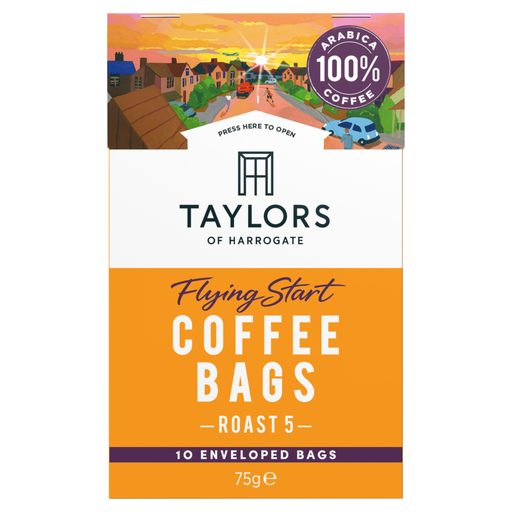 No image available
A standard coffee-bag choice for a mug-and-hot-water camping setup. If you need pyramid-shaped bags or a particular preparation time, check the exact pack.
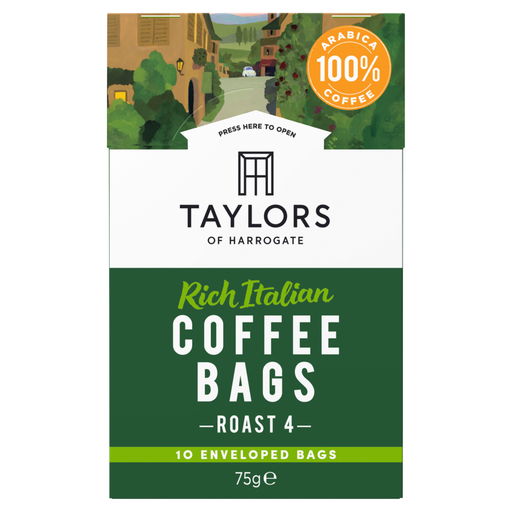 No image available
Consider this standard coffee-bag format if you want a portioned cup without a separate brewer. Check the pack’s brewing instructions and construction if those details affect your trip.
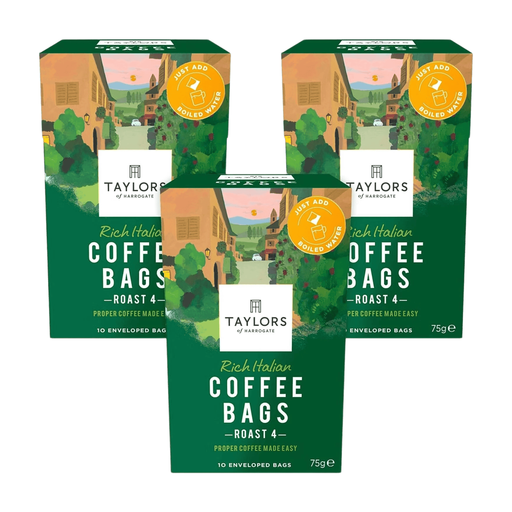 No image available
The 75g x 3 bundle is an option when packing coffee for several cups. If individually protected servings matter, confirm the wrapping of this exact bundle before choosing it.
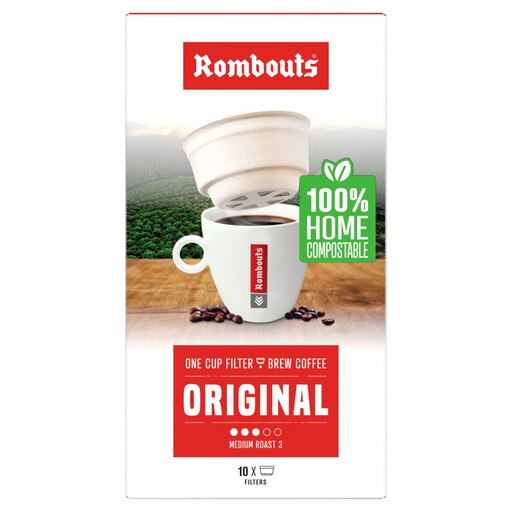 No image available
This one-cup filter is for a pour-through brew rather than steeping a bag in the mug. Rombouts instructs users to stabilise the filter on the cup; check what disposal options your campsite accepts.
 No image available
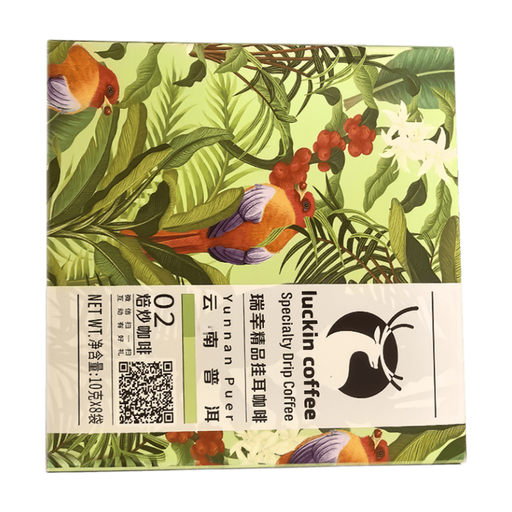
The 10g x 8 bag format is another portioned option if you want to pour water through a filter over your cup. It is not a steeping pyramid bag; check the pack’s method and wrapping for your trip.
Choose one when you specifically want that format and separately packed servings. Raw Bean describes its Revive bag as pyramid-shaped, individually enveloped and containing 12 g of coffee; those details do not establish that it tastes better than a standard bag.
For Taylors of Harrogate Decaffé, the stated method calls for a hot-water source, mug and spoon, with a four-minute brew. Follow the instructions on the particular blend you take rather than applying that time to every coffee bag.
Individually wrapped portions are useful when you will take a few servings in a daypack. If choosing a loose pack, plan how to protect it after opening: Percol’s 10-bag packs are individually enveloped, unlike its 20- and 60-bag packs.
No. Check both the product instructions and the campsite’s accepted waste streams. Percol makes its food-waste instruction conditional on local arrangements, while Rombouts describes home composting or food-waste disposal for its one-cup filter; carry the used item out if a suitable collection point is unavailable.
Keep packs protected from damp and contamination, and put opened or loose packs in a sealed container. The Food Standards Agency’s camping guidance notes that temperature and humidity in a tent or vehicle can differ from conditions at home and recommends sealed containers when storing food.