Older adults making one cup at a time
A coffee bag brews in a mug without a machine or loose grounds to clear away. A cup-mounted filter is another single-cup option, but its pouring steps may be harder for someone who needs help handling hot water.


Choose a coffee bag explicitly described as pyramid-shaped if that format matters; Raw Bean Coffee describes both regular and decaffeinated Bean Bags this way. A conventional coffee bag is an alternative for brewing in a mug, while a one-cup drip filter requires the user to position the filter and pour through it. Consider decaf according to the person’s caffeine needs, not their age alone; the British Dietetic Association says coffee can count towards fluid intake, but a different bag format does not address nutritional risk.
A coffee bag brews in a mug without a machine or loose grounds to clear away. A cup-mounted filter is another single-cup option, but its pouring steps may be harder for someone who needs help handling hot water.
Decaffeinated bags are available in both pyramid-shaped and conventional formats. Where caffeine is a concern for an individual, check the specific pack rather than assuming a lighter-tasting coffee is decaf.
An enjoyable coffee can be one part of a drinking routine. The British Dietetic Association says coffee counts towards fluid intake; if poor appetite or unintentional weight loss is a concern, seek individual nutrition advice rather than relying on a change of coffee format.
Start with the brewing method the person can manage, then check whether pyramid shape and decaffeination are requirements.
Choose when: both an explicitly pyramid-shaped bag and decaffeinated coffee matter. Raw Bean Coffee describes its Definitely Decaffeinated Bean Bags as pyramid-shaped.
Keep in mind: the shape is the manufacturer’s description; decaf is a personal choice, not a requirement for every older adult.
Choose when: decaf and brewing in a mug matter more than a specified pyramid shape; Tesco describes a four-minute brew for Taylors Decaffé Coffee Bags.
Keep in mind: a coffee-bag description alone does not establish that its bag is pyramid-shaped.
Choose when: the person wants water poured through a filter over a cup, rather than a bag steeped in the mug.
Keep in mind: the filter needs a stable cup and controlled pouring; it is not a pyramid coffee bag.
| Priority | What to check | Your needs |
|---|---|---|
| Bag shape | Look for an explicit pyramid-shaped description on the particular product. Distinguish a bag steeped in a mug from a filter mounted on a cup. | I want a pyramid bag, not just a product described as a coffee bag or filter coffee. |
| Caffeine | Check whether the exact product is labelled decaffeinated or regular. If changing caffeine intake because of symptoms, consider individual clinical advice. | If I am buying for someone reducing caffeine, I need to know which version I have chosen; age alone does not settle the choice. |
| Preparation | Compare steeping a bag in the mug with positioning a drip filter and pouring hot water through it. Follow the pack’s brewing instructions. | Can the person manage the hot-water steps and a stable cup, or will they have help? |
| Drinks and nutrition | Consider coffee as a drink separately from any nutrition plan. Seek individual advice if poor appetite, weight loss or a prescribed fluid plan affects the choice. | I would like to offer a familiar drink without mistaking the coffee-bag format for nutritional support. |
A conventional bag or cup-mounted filter may brew differently from the format you intended to buy.
Check for an explicit pyramid-shaped description on the product page or pack if the shape is essential.
The British Dietetic Association says coffee counts towards fluid intake, but choosing a pyramid bag does not address poor appetite or nutritional risk.
Choose the format for the person’s enjoyment and ability to prepare it. Seek personalised advice if unintentional weight loss or poor appetite is a concern.
NHS Tayside advises that caffeine can worsen some bladder symptoms and recommends gradual reduction for people trying to cut down.
Check whether the selected coffee is decaf if caffeine reduction is relevant to the individual; do not make decaf an age-based rule.
A bag steeps inside the mug, whereas a drip filter must rest securely on the cup while water is poured through it.
Choose a method the person can manage safely, or arrange help with preparation.
These examples clarify product formats; a brand’s inclusion does not mean every product it makes has the same bag shape or caffeine content.
Raw Bean Coffee describes regular and decaffeinated Bean Bags as pyramid-shaped.
Its Decaffé product is a decaffeinated coffee bag for brewing in a mug.
Its Original One Cup Filter is a cup-mounted pour-through format, not a bag steeped in the mug.
Tesco describes Percol Colombian Coffee Bags as single-cup bags with a string and tag.
M&S describes House Blend Coffee Bags containing ground Arabica beans sourced from Fairtrade growers.
These options cover two ways to make one cup: a coffee bag brewed in the mug and a drip filter positioned over a cup. Check the individual product details if pyramid shape or decaffeination is essential.
 No image available
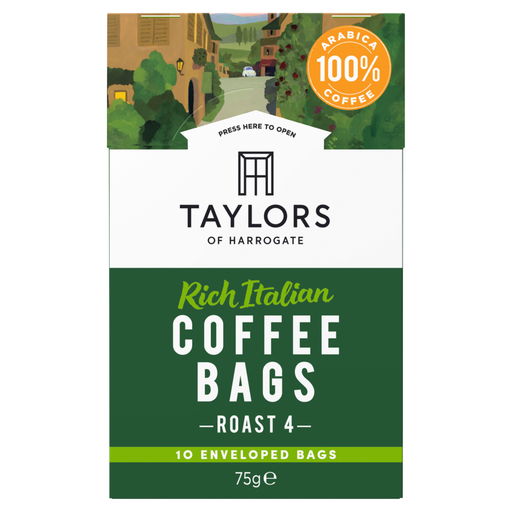
A coffee-bag option for brewing one cup in a mug rather than setting a filter over it. Check the pack for bag shape, caffeine status and brewing instructions if these affect the choice.
 No image available
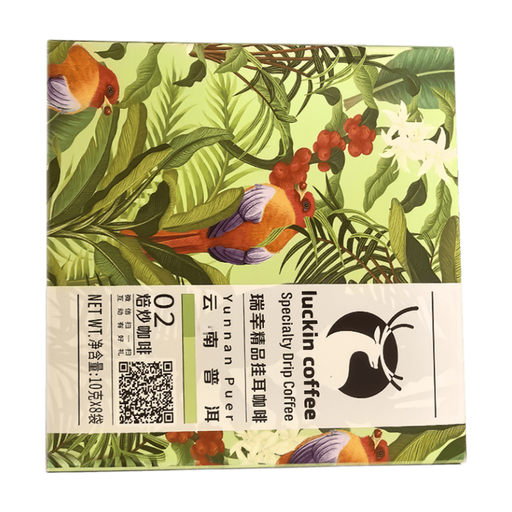
A one-cup drip-filter option for pouring water through coffee over a cup, rather than steeping a pyramid bag. The named pack contains eight 10g bags. Check cup fit and caffeine status, and consider whether the user can manage the pouring steps.
No. “Coffee bag” describes how the coffee is packaged for brewing, not necessarily the bag’s shape. Raw Bean Coffee explicitly describes its Bean Bags as pyramid-shaped; check the exact pack if that geometry matters.
No. Base the choice on the person’s preferences and caffeine needs, not age alone. NHS Tayside advises gradual caffeine reduction for people trying it because of bladder symptoms.
Yes. The British Dietetic Association says almost all drinks count towards fluid needs, including coffee, and that caffeinated drinks do not cause dehydration. Follow individual advice where a medical condition calls for a particular fluid plan.
No change in bag shape should be treated as a response to nutritional risk. If an older person has poor appetite or unintentional weight loss, seek personalised nutrition advice while choosing coffee according to their preferences and ability to prepare it.
A coffee bag steeps in the mug: Raw Bean Coffee specifies 3–4 minutes for Breakfast Blend Bean Bags, while Tesco gives four minutes for Taylors Decaffé. A Rombouts one-cup filter sits on a suitable cup while hot, not boiling, water is poured to its marked line. Follow the instructions for the product you buy.