Organisers planning self-service breaks
Individually wrapped coffee bags offer a way to serve one hot cup at a time without a coffee machine. Allow for hot water, mugs and disposal of used bags; the format does not fulfil a cold-brew brief.


Choose individually wrapped pyramid coffee bags for a self-service hot-coffee station, not for a brief that calls for cold brew: the coffee-bag instructions described by Raw Bean Coffee use hot water. If attendees need chilled coffee, choose a prepared cold-brew product and plan its storage and service; Finlays describes cold brew as coffee steeped in cold or ambient water. Check the exact product, ingredients and venue arrangements before ordering, because a bottled iced espresso coffee is not necessarily cold brew.
Individually wrapped coffee bags offer a way to serve one hot cup at a time without a coffee machine. Allow for hot water, mugs and disposal of used bags; the format does not fulfil a cold-brew brief.
If attendees should be able to pick up a cold drink without brewing it, consider a prepared product and check whether it is cold brew, another ready-to-drink coffee or a concentrate. Those descriptions do not mean the same thing.
The exact drinks and additions determine which labels and handling arrangements need attention. The Food Standards Agency’s MyHACCP guidance calls for control of allergenic ingredients and protection against cross-contact.
Choose when: Attendees can prepare their own hot coffee and the venue can provide a hot-water station.
Trade-off: Coffee bags avoid a coffee machine, but each cup still takes preparation and the drink is not cold brew.
Choose when: The break calls for cold coffee that attendees can take without brewing it themselves.
Trade-off: Confirm the product’s preparation method and storage instructions: ready-to-drink iced coffee is not automatically cold brew.
| Priority | What to check | Your needs |
|---|---|---|
| Brewing method | Read the contents and preparation instructions. Raw Bean Coffee instructs customers to add hot water to its coffee bags; Finlays describes cold brew as steeped in cold or ambient water. | If the brief specifies cold brew, I need a product identified by its brewing method, not one chosen for its pyramid shape. |
| Hot-water service | For coffee bags, confirm hot-water points, mugs, stirrers and bins for used bags. Check whether attendees can prepare drinks within the planned break. | A machine-free station appeals to me only if guests can make a hot cup without crowding the service point. |
| Chilled service | Check the exact drink format, its storage instructions and the venue’s refrigeration and replenishment arrangements. If buying concentrate, confirm how it will be prepared and served. | I want attendees to collect a cold drink promptly, with somewhere suitable to keep it before and during service. |
| Ingredients and choice | Check current labels for each coffee, decaf option and addition. Agree how ingredients and cross-contact will be managed; the Food Standards Agency’s MyHACCP guidance addresses allergen control. | Some guests may choose decaf or ask about milk or plant-based additions, so I need clear information for the products actually served. |
| Order quantities | Confirm the pack count, required number of servings, delivery arrangements and storage capacity with the supplier. A retail listing alone does not establish event-volume supply. | I need enough portions for each break and a way to replenish them where attendees will collect drinks. |
Bag shape does not establish what the bag contains or how to prepare it. Raw Bean Coffee’s coffee bags use hot water, whereas Finlays describes cold brew as a cold- or ambient-water extraction.
Specify whether the order is for hot-brew coffee bags or prepared cold brew, and check the exact product instructions. A cold-water pyramid tea bag is not a substitute for coffee.
Individually wrapped bags remove the coffee machine from the setup, not the need for attendees to get hot water and dispose of used bags.
Check the number and location of hot-water points against expected break-time demand before choosing self-service bags.
Milk, plant-based drinks and other additions change which ingredient information and cross-contact controls matter at the station. The Food Standards Agency’s MyHACCP guidance addresses control of allergenic ingredients.
Keep current information for the exact products being served and agree the service procedure with the venue or caterer.
A listed coffee format does not establish that the required quantity can be delivered for a particular conference or stored as its label directs.
Confirm quantities, delivery timing and, for chilled drinks, refrigeration before finalising the order.
These examples help distinguish hot coffee bags from chilled-coffee formats; a brand or retailer listing does not establish supply for a particular event.
A reference for individually portioned coffee bags intended for hot-water preparation.
Business Beverages lists a hospitality-oriented pack of 80 individually wrapped Taylors of Harrogate Rich Italian coffee bags.
A retail reference for individually wrapped Italian Style Coffee Bags.
A retail reference for coffee-bag sachets, including Waitrose own-label and Taylors of Harrogate products.
A retail reference for prepared iced-coffee drinks and coffee concentrates.
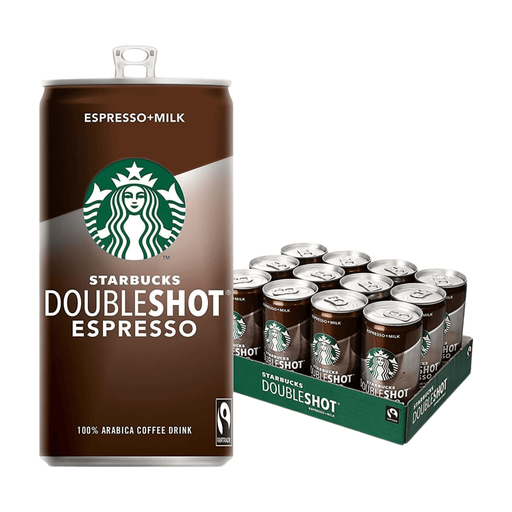
The option below is bottled iced espresso coffee for a chilled, no-brewing service. It is not identified as cold brew or as a pyramid coffee-bag product.
 No image available
Individual bottles suit a service where attendees collect coffee without brewing it at the station. The product is described as iced espresso coffee, not cold brew. Store at 2–8°C and do not freeze; it contains milk and is described as high in caffeine. Check the current label and confirm the required event quantity and delivery arrangements before ordering.
Do not assume they can: Raw Bean Coffee instructs customers to brew its coffee bags with hot water, while Finlays describes cold brew as coffee steeped in cold or ambient water. If the brief requires cold brew, check the preparation method of the exact product rather than relying on its bag shape.
For Raw Bean Coffee’s hot-water format, attendees need hot water, a mug and a spoon. At a conference, also plan where people will collect water and discard used bags, and whether the station can handle a busy break.
Include a separately identified decaf option if the event intends to offer a choice of caffeinated and decaf coffee. Hospitality coffee-bag ranges described by Out of Eden include decaf; check the exact product and keep its portions clearly identified at the station.
Check current labels and supplier information for every coffee and addition that will be served, including milk and plant-based drinks. The Food Standards Agency’s MyHACCP guidance calls for allergenic ingredients to be controlled and other foods to be protected from cross-contact; agree the practical handling and information arrangements with the venue or caterer.
A listing can help identify a drink format, but it does not establish supply for a particular event. If cold coffee is a core offering, confirm the required quantity, delivery timing, product storage instructions and the venue’s refrigeration capacity before ordering.