Who each format suits
Coffee bags suit an occasional mug made with hot water; ground filter coffee is a different choice for someone using a compatible brewer.
Occasional coffee drinkers without a brewer
If coffee is an occasional addition to tea and biscuits, a single-serve bag avoids preparing loose grounds. Raw Bean Coffee describes its bags as needing a mug and hot water, without a separate coffee brewer.
Hosts serving both tea and coffee
A coffee bag offers a portioned option for a guest who wants coffee. Raw Bean Coffee also offers individually enveloped bags; check the pack format if storing or carrying separate servings matters to you.
Shoppers looking for decaf
Choose a pack explicitly labelled decaf rather than assuming a coffee bag has less caffeine. Raw Bean Coffee offers a decaf bag, but decaf status and bag construction both need checking on the product you choose.
What to check before choosing
Start with the way you will make each mug, then check the exact pack for serving instructions, caffeine labelling and packaging.
| Priority |
What to check |
Your needs |
| Preparation |
Check whether you will have a mug and hot water or a compatible filter brewer. Raw Bean Coffee describes a mug-only method for its coffee bags; ground coffee needs a suitable brewing method. |
I want to offer a single coffee alongside tea without setting up a filter brewer. |
| Serving and brew |
Check the coffee dose, bag count and instructions on the exact pack. Raw Bean Coffee states 12 g per bag for its individually enveloped decaf product and a 3–4-minute steep for its decaf bags; those figures do not apply to every coffee bag. |
For an occasional cup, I want to know how many mugs the pack makes and how to prepare one. |
| Ground-coffee method |
Match the grind to your brewer and check how you will measure each serving. Lavazza UK says its ground blends are calibrated for their intended brewing methods, including filter use. |
I already use a filter brewer and would rather choose and measure ground coffee for each brew. |
| Caffeine |
Look for explicit decaf labelling; bag shape does not establish caffeine content. NHS pregnancy guidance sets a 200 mg daily caffeine limit and notes that filter coffee can contain more caffeine than its instant-coffee example. |
If caffeine intake matters to me, I want to account for coffee as well as tea and chocolate-containing biscuits. |
| Packaging |
Check whether servings are individually wrapped, and read disposal instructions for the coffee bag and wrapper separately. Raw Bean Coffee describes its own pyramid bags as compostable; that claim should not be applied to every component or brand. |
I may need separate servings for guests or travel, and I want to know how to dispose of each part of the pack. |
Relevant brand references
These brands offer different coffee formats: check the exact product rather than treating every coffee-bag or ground-coffee range as a pyramid-bag option.
Raw Bean Coffee
Raw Bean Coffee describes its Bean Bags as pyramid-shaped coffee bags prepared in a mug with hot water.
- Its individually enveloped decaf product is specified as containing 12 g of coffee per bag; the brand describes a 3–4-minute steep for its decaf bags.
- The brand’s compostability claim concerns its coffee bags; check the separate envelope’s disposal instructions.
Taylors of Harrogate
Taylors of Harrogate lists coffee bags alongside its ground-coffee and whole-bean ranges.
- Coffee bags are a relevant format to consider when adding an occasional coffee option to a tea-and-biscuits shop.
- Check the chosen pack for its bag shape, serving count and brewing instructions if those details govern your choice.
Lavazza
Lavazza UK describes ground coffee for brewing methods including filter, moka and espresso.
- Lavazza UK says its ground blends are calibrated for the intended brewing method, making the stated grind worth checking against your equipment.
- Ground coffee is not the same mug-only format as a coffee bag; choose it with a suitable brewing method in mind.
Tesco Finest
Tesco Groceries lists 227 g ground coffees in its Finest range, representing a conventional ground-coffee option.
- The listed ground-coffee format is relevant if you already prepare coffee with a compatible brewer.
- A ground-coffee listing does not establish coffee-bag construction; check the exact format when shopping for bags.
Joybuy coffee-bag options
These Taylors of Harrogate coffee bags are options for making coffee alongside tea and biscuits. If you specifically want a pyramid bag, check the construction of the exact pack; ground filter coffee remains a separate option for a compatible brewer.
 No image available
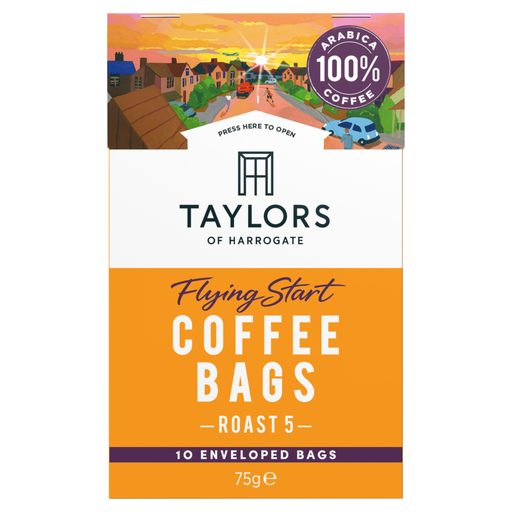
Taylors of Harrogate Flying Start Coffee Bags 75g
A 75g coffee-bag option for an occasional mug alongside tea and biscuits. Check the bag shape, number of servings and brewing directions on the pack when comparing it with pyramid bags.
View on Joybuy
 No image available
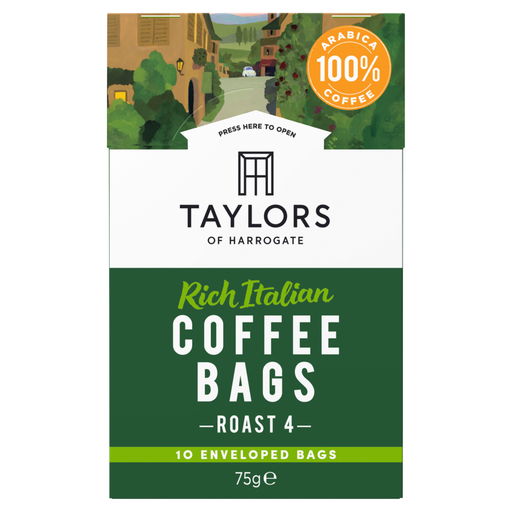
Taylors of Harrogate Rich Italian Coffee Bags 75g
This 75g coffee-bag pack offers another bag-format choice for serving a mug with biscuits. Confirm its bag construction, serving count and preparation instructions if you need a particular shape or brew method.
View on Joybuy
 No image available
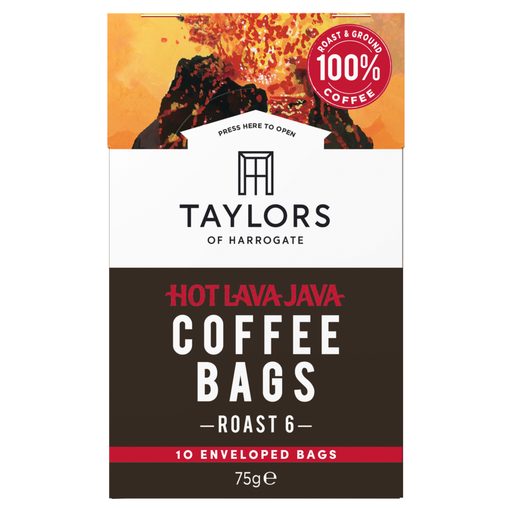
Taylors of Harrogate Hot Lava Java Coffee Bags 75g
A 75g coffee-bag choice for preparing coffee alongside tea and biscuits. Read the exact pack for bag shape, number of bags and brewing directions before treating it as a pyramid-bag alternative.
View on Joybuy
Questions about coffee bags
Can a pyramid coffee bag replace ground filter coffee?
It can provide a single mug without a separate filter brewer: Raw Bean Coffee describes using one of its bags with hot water in a mug. Ground filter coffee remains a distinct choice if you use a compatible brewer and want to measure the grounds yourself.
How do I prepare a pyramid coffee bag?
For Raw Bean Coffee’s decaf bags, the brand says to put one bag in a mug, add hot water, leave it for three or four minutes, stir and lift it out. Follow the instructions on your exact pack, as that method is product-specific.
Does a compostable coffee bag mean the wrapper is compostable too?
No such conclusion follows from a claim about the bag. Raw Bean Coffee describes its pyramid bags as compostable, but a separately packaged serving also has an envelope; check each component’s disposal instructions and your local collection rules.
Does choosing a decaf coffee bag settle caffeine questions during pregnancy?
Decaf labelling identifies the coffee choice, not total caffeine intake from everything consumed. NHS pregnancy guidance sets a 200 mg daily caffeine limit, so other sources, including tea and chocolate-containing biscuits, also matter.
What should I check on biscuits served with coffee?
If allergen information matters for a guest, read the exact biscuit pack’s ingredients and allergen statements. The Food Standards Agency explains that precautionary wording such as ‘may contain’ communicates possible unintended allergen presence; a biscuit’s name alone is not enough to establish its ingredients.


