Buyers building a varied tea shelf
A clearly identified pyramid option can sit beside familiar everyday tea bags. Check the tea type and pack size so customers can distinguish the options without relying on bag shape alone.


Choose pyramid bags for a distinct tea option when their pack size, brewing instructions and handling suit your shop; Twinings describes its loose 40-bag Full English pouch as suitable for smaller catering settings, while Clipper lists pyramid-format black tea and decaf. Keep conventional tea bags in the range for customers who prefer a familiar everyday option, and label decaf and disposal instructions according to each product rather than treating bag shape as a measure of quality.
The useful mix depends on whether the shop is building a retail shelf, serving tea or doing both.
A clearly identified pyramid option can sit beside familiar everyday tea bags. Check the tea type and pack size so customers can distinguish the options without relying on bag shape alone.
Keep decaf clearly labelled alongside standard tea for customers who prefer to limit caffeine. University Hospitals of Leicester NHS Trust notes that decaffeinated tea can still contain very low levels of caffeine.
Match the pack to how staff prepare and handle drinks. Twinings describes its 40 loose, non-individually-wrapped Full English pyramid bags as suitable for smaller catering environments.
Decide which teas the shop will offer, then check each pack’s format and instructions against shelf and serving needs.
| Priority | What to check | Your needs |
|---|---|---|
| Bag format | Confirm that the exact pack says pyramid; check whether bags are loose or individually wrapped. | I want customers to recognise a distinct pyramid option, and I need packaging that works for the way the shop stores or serves it. |
| Tea choice | Read the tea type and ingredients on each pack. Clipper Tea Shop lists both English Breakfast and decaf black tea in its pyramid collection. | Some customers will want standard black tea; others may be looking specifically for decaf or green tea. |
| Pack and brew | Compare the stated bag count, bag size and brewing directions. Twinings’ Full English pouch contains 40 loose bags; its stated brew time is 3–5 minutes. | If we serve tea, preparation needs to fit the counter routine. For retail packs, I need a size that suits how we replenish the shelf. |
| Caffeine labelling | Keep standard and decaf teas distinct. University Hospitals of Leicester NHS Trust says decaf can still contain very low levels of caffeine. | I want to find the decaf choice easily without assuming that a pyramid bag or a tea’s flavour tells me its caffeine content. |
| Allergen information | Check each product’s current label, particularly for flavoured or blended tea. GOV.UK guidance says UK retail and catering food businesses must provide allergen information for prepacked and non-prepacked food and drink, and train staff on allergens. | If we sell or serve a blend, customers need accurate information for that particular product. |
| Disposal | Read the exact bag’s disposal instructions and check local collection rules. Tesco’s PG Tips listing makes its industrial-composting instruction conditional on local council acceptance. | I want to give customers disposal directions that apply to the bag they bought, rather than to pyramid bags in general. |
Tesco describes a new shape for its listed PG Tips bags without identifying it as a pyramid. The cited Tetley, Yorkshire Tea and Typhoo ranges likewise do not establish a pyramid format for those products.
Check the exact current pack or manufacturer’s product description before calling a tea bag pyramid-shaped on a shelf label.
University Hospitals of Leicester NHS Trust says decaffeinated tea can still contain very low levels of caffeine. A decaf option should not be presented as a solution to an individual health concern.
Label it as decaf and refer customers with personal health or medication questions to an appropriate healthcare professional.
Industrial compostability does not establish that a bag belongs in a home compost bin or every local food-waste collection. Tesco’s PG Tips listing explicitly conditions food-waste disposal on local council acceptance.
Use the current pack’s wording and ask customers to check their local authority’s collection rules.
GOV.UK guidance requires UK retail and catering food businesses to provide allergen information for both prepacked and non-prepacked food and drink, and to train staff on allergens.
Keep current labels or supplier information available for each tea, and make sure staff serving drinks can use that information accurately.
These product lines illustrate different shelf choices; a familiar brand name alone does not confirm a pyramid-bag format.
Its Full English pouch is a specific pyramid-format black tea for smaller catering settings.
Clipper Tea Shop lists pyramid bags in more than one tea style.
A familiar black-tea reference, but the cited Tesco pack is not explicitly identified as pyramid-shaped.
A conventional large-pack black-tea reference for an everyday range.
Its range includes Decaf and a Hard Water blend, offering choices based on tea type rather than bag shape.
An everyday black-tea alternative to consider alongside a pyramid range.
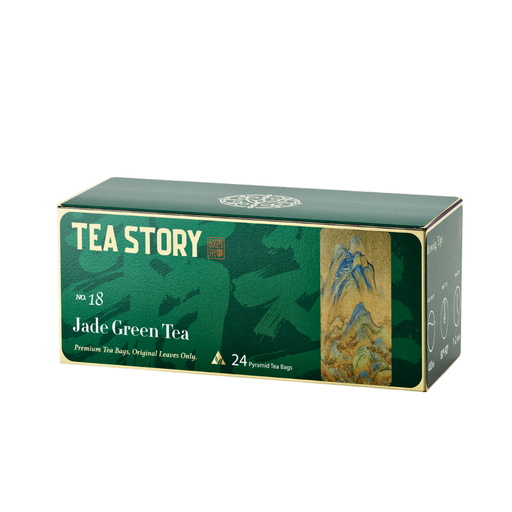
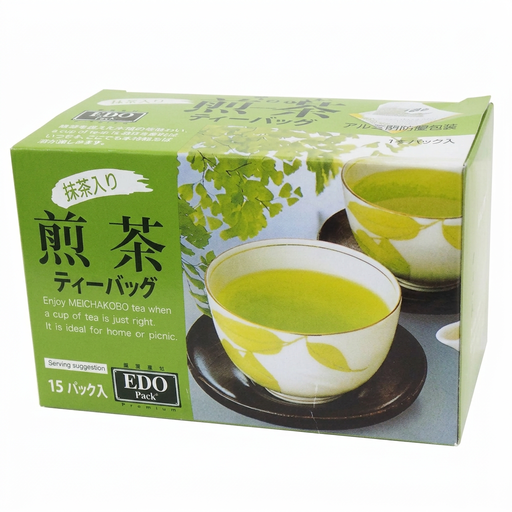
These two pyramid-bag options are green teas for a specialist shelf choice. Check their individual pack details if you plan to serve them in-store; neither is a substitute for a clearly labelled black-tea or decaf option.
 No image available
For a green-tea pyramid option alongside black tea, this pack contains 24 bags of 2g each, totalling 48g. The product description gives a 3–5 minute infusion time; check the pack’s individual-wrapping and disposal instructions for in-store use.
 No image available
For a specialist green-tea shelf option, the product description identifies a Sencha and matcha blend containing 98% green tea and 2% green tea powder. The pack is marked 30g; check its bag count, brewing directions, individual wrapping and allergen information before choosing it for service.
No. They make sense when the shop wants a distinct bag format and can accommodate the chosen pack’s brewing and handling requirements. For routine sales, a conventional pack may also belong in the range; Costco UK lists Tetley Original in a 3 × 240-bag format, while Twinings positions its 40 loose Full English pyramid bags for smaller catering settings.
A clearly labelled decaf choice lets customers select tea according to their caffeine preferences, including for later-day drinking. Do not call it caffeine-free without support from the exact pack: University Hospitals of Leicester NHS Trust says decaffeinated tea can still contain very low levels of caffeine.
Yes. The NHS says tea and coffee count towards daily fluid intake and advises drinking caffeine in moderation because sensitivity varies between people. That general guidance is not a basis for individual health recommendations in-store.
GOV.UK guidance says retail and catering food businesses must provide allergen information for prepacked and non-prepacked food and drink, and ensure staff receive allergen training. Check the current information for each blend, particularly when serving tea or adding flavoured products; do not apply one plain black-tea label to the whole range.
Follow the exact product’s instructions and local collection rules rather than assuming all pyramid bags have the same disposal route. Tesco’s cited PG Tips listing describes industrial composting in a food-waste bin only where the local council accepts it; that instruction should not be applied to another tea bag.