Hosts serving a classic tea with milk
A black breakfast blend is a starting point for the main pot. Check the ingredients and the maker's flavour description rather than assuming every pyramid bag is suited to serving with milk.


For an afternoon tea centred on a traditional cup with milk, start with a black breakfast blend; add Earl Grey if guests would welcome bergamot flavour, and a clearly labelled decaf black tea for anyone limiting caffeine. Pyramid shape alone cannot tell you how the tea will taste or how easily you can serve it, so check the blend, brewing instructions and whether the bags are individually wrapped.
A black breakfast blend is a starting point for the main pot. Check the ingredients and the maker's flavour description rather than assuming every pyramid bag is suited to serving with milk.
Whole-leaf and speciality bags offer alternatives to a single breakfast blend. teapigs describes its Tea Temples as containing whole leaves, while Fortnum & Mason offers a five-bag Breakfast Blend pocket tin; check the pack size and serving format against your guest list.
A clearly labelled decaf black tea gives guests another black-tea choice. Keep the packaging available so they can check the ingredients and caffeine information relevant to them. NHS pregnancy guidance counts tea among caffeine sources and sets a daily caffeine limit for pregnant people.
Choose the tea styles your guests are likely to drink, then check how each bag needs to be brewed and served.
| Priority | What to check | Your needs |
|---|---|---|
| Main black tea | Look for a stated breakfast blend or black-tea ingredients. Read the maker's flavour description and the pack's brewing directions. | I'm making a main pot for guests who may take milk, so I want to choose a black tea rather than rely on the bag's shape. |
| Other flavours | Check whether an Earl Grey contains bergamot flavouring, and distinguish black tea from green tea or herbal infusions. | Some guests may prefer a fragrant cup instead of the breakfast blend. I'd serve it as a choice, not assume everyone wants the same flavour. |
| Leaf and service format | Check whether the pack identifies whole leaves, how many bags it contains and whether they are individually wrapped. Twinings states that its 40-bag The Full English pouch is not individually wrapped. | For individual place settings, wrapping matters to me; for a pot served at home, a loose-bag pouch may work just as well. |
| Caffeine choices | Look for an explicit decaf label and check the ingredients. Do not treat decaf as a promise that a drink contains no caffeine. | If a guest limits caffeine but still wants black tea, I'd include a labelled decaf option alongside the regular tea. |
| Brewing | Follow the instructions for the particular tea. The UK Tea & Infusions Association advises 90–98°C water for black tea and around 80°C for green tea. | I need to prepare different teas without brewing a green tea as though it were the main black-tea pot. |
| Disposal | Read the exact bag and pack instructions, and check local collection guidance. An industrial-compostability claim does not establish home-compostability. | If disposal affects my choice, I want to know which collection or composting method the particular bag calls for. |
The same bag shape can hold a breakfast blend, Earl Grey, green tea or an herbal infusion. It does not establish the leaf style, flavour or suitability for milk.
Decide which teas to serve first, then check each product's ingredients, bag count and brewing instructions.
Clipper describes its bag material as industrially compostable. That description does not tell you that a domestic compost heap provides the conditions it needs.
Follow the wording on the particular pack and your local collection guidance rather than relying on a general claim about the bag material.
Guests who limit caffeine may need another choice. NHS guidance for pregnancy sets a daily caffeine limit of 200 mg and identifies tea as a source to count towards it.
Include a clearly labelled decaf tea if it suits your guest list, and leave its packaging available for ingredient and caffeine checks.
A five-bag tin and a 40-bag pouch serve different numbers of guests. A pouch of loose bags also works differently from individually wrapped bags at place settings.
Count the servings you need and confirm the wrapping format before choosing a pack for the table.
These brand examples illustrate different tea styles and pack formats; check the details of the particular product you plan to serve.
Twinings has pyramid-bag breakfast teas for hosts considering a black-tea main pot.
Clipper offers organic Earl Grey and decaf black tea in pyramid-bag formats, covering two different guest preferences.
teapigs Tea Temples are pyramid bags that the brand describes as filled with whole leaves.
The Breakfast Blend pocket tin is a small-pack option for a limited number of servings.
This Earl Grey option is for adding a differently flavoured tea to an afternoon-tea selection, rather than choosing the main breakfast blend or a decaf tea.
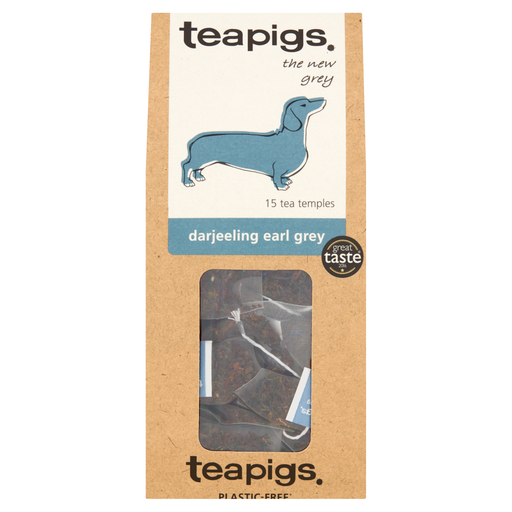 No image available
An Earl Grey choice to serve alongside a traditional black-tea pot. The pack contains 15 tea bags; check its brewing directions and wrapping format before planning individual servings.
Follow the instructions on the particular pack. The UK Tea & Infusions Association advises freshly drawn water at 90–98°C for black tea; allow the stated infusion time before removing the bag, then add milk if wanted.
No. Check the product description for its leaf style, blend and ingredients rather than treating the bag shape as a guarantee. teapigs describes its Tea Temples as containing whole leaves, but that brand-specific description does not apply to every pyramid bag.
Do not assume they can. An industrial-compostability claim does not establish suitability for a garden compost heap. Read the exact pack instructions and check what your local collection accepts.
Include a clearly labelled decaf choice if guests may be limiting caffeine but still want black tea. Tea contributes to daily caffeine intake; NHS pregnancy guidance sets a 200 mg daily limit for pregnant people. Keep the pack available so guests can check the details relevant to them.