
24/7 Customer Support

Free returns

Same-day & Next-day Delivery

Quality Guaranteed

Unlock Your Welcome Offers: FREE Delivery | Up to 80% OFF | Free 30-day JoyPlus trial
Download the APP
Navigating the world of televisions can feel overwhelming. The market is flooded with technical jargon and marketing promises, making it difficult to distinguish genuine features from clever hype. When you are looking to invest in a high-performance QLED TV, the last thing you want is to make a costly mistake. Many shoppers are drawn in by impressive-sounding features that, in reality, fail to deliver a noticeably better viewing experience.
As the Joybuy Product Recommendation Officer, my role is to help you cut through the clutter. This guide focuses on the practical realities of choosing a 4K QLED TV in the UK, highlighting the common pitfalls to avoid and the core specifications that truly matter for your home entertainment, whether you are a film lover, a dedicated gamer or a sports fanatic.
Before we look at what makes a great television, let's identify the most common traps that lead to buyer's remorse.
To ensure you get a television that performs as well in your living room as it does on the spec sheet, focus on these three non-negotiable parameters.
The term QLED TV refers to the use of a Quantum Dot layer to produce more vibrant and accurate colours than a standard LED TV. However, the technology that lights up the screen from behind is just as crucial.
Instead of just looking for an "HDR" sticker, check for the specific formats a TV supports and its general brightness capabilities.
For anyone with a modern games console or a passion for fast-moving sports, this is critical.
Based on these practical criteria, we have matched a few standout models to different types of users.
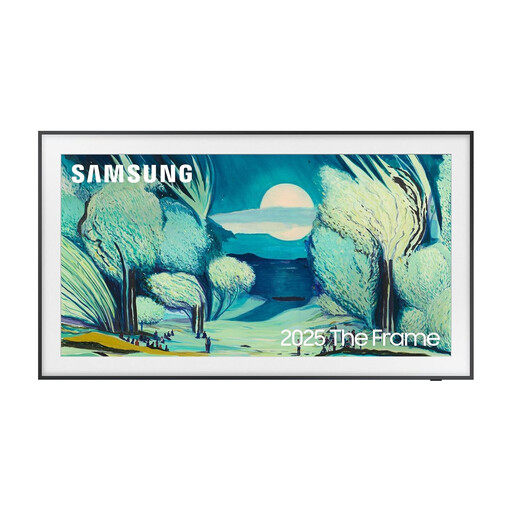
Why This Fits Their Persona: For those who value interior design as much as picture quality, the Samsung The Frame TV is a unique solution. It hangs flush against the wall and displays artwork when not in use, seamlessly blending into the home's decor instead of being a black rectangle.
Its Matte Display is specifically designed to reduce glare, making both TV shows and the displayed artwork look clear and canvas-like even in bright rooms, directly countering the "HDR-compatible" mirage by ensuring visuals are always visible and vibrant.
The combination of Art Mode and a slim-fit wall mount provides an unparalleled aesthetic. It also uses the fast and intuitive Tizen OS, avoiding the sluggish interface trap.
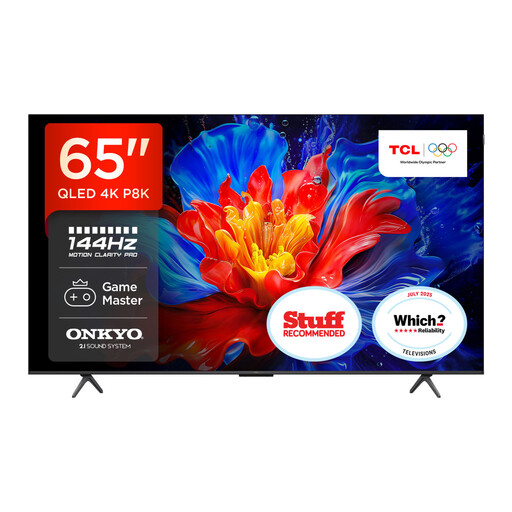
Why This Fits Their Persona: This TCL QLED TV is built for performance. Gamers in the UK need a TV that can keep up with the latest consoles and this model's feature set is squarely aimed at providing a competitive edge and a smooth, immersive experience.
It completely avoids the 60Hz bottleneck with its 144Hz Motion Clarity Pro and 288Hz Game Accelerator. This is a true 120Hz gaming TV (and beyond), ensuring fluid motion for next-gen gaming.
The combination of GAME MASTER technology and a high refresh rate delivers exceptionally low input lag and smooth visuals. The integrated ONKYO 2.1 sound system also provides powerful audio straight out of the box.
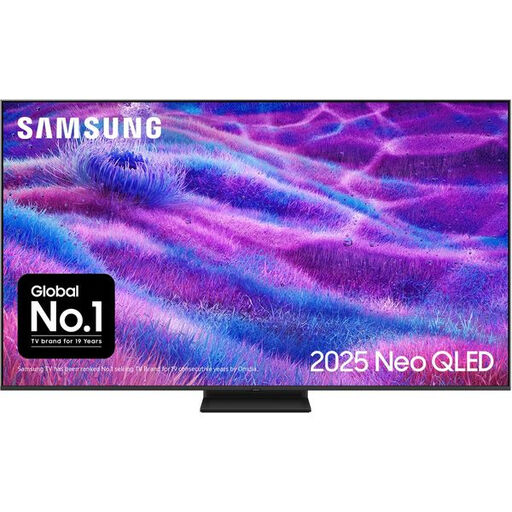
Why This Fits Their Persona: This user wants the most immersive picture possible for movie nights. This 65 inch QLED TV uses premium Neo QLED technology to deliver the deep blacks and brilliant highlights essential for a cinematic experience at home.
Its Quantum Matrix Technology (Mini LED) provides the high peak brightness and precise local dimming needed for true, impactful HDR. This is far beyond a simple "HDR-compatible" label, delivering genuine contrast and visual depth.
The Neo QLED panel delivers superior contrast and black levels compared to standard QLEDs. It also features Dolby Atmos and Object Tracking Sound Lite for an immersive audio experience to match the premium visuals.
We have compiled a complete, real-time list of products that fully satisfy these strict selection criteria and UK safety regulations.
1. How long does a QLED TV typically last? A QLED television's lifespan is primarily determined by its backlight. Most modern LED backlights are rated for 40,000 to 60,000 hours of use. If you watch TV for an average of six hours a day, this translates to a practical lifespan of 18 to 27 years before the brightness might begin to noticeably degrade. QLED's Quantum Dots are inorganic and highly durable, so they are not prone to the burn-in issues associated with some other screen technologies.
2. Is a QLED TV expensive to run in the UK? The running cost of a QLED TV depends on its size, brightness settings and energy efficiency rating. All TVs sold in the UK must display an energy label, which provides an estimate of kilowatt-hour (kWh) consumption per 1,000 hours of use. You can use this figure along with your current electricity tariff to calculate an approximate annual cost. Generally, Neo QLED models with precise local dimming can be more efficient than standard backlit TVs, as they only illuminate the parts of the screen that need it.
3. What is the main difference between QLED and Neo QLED? The key difference is the backlight. A standard QLED TV uses a layer of conventional-sized LEDs to illuminate the screen. A Neo QLED TV uses thousands of much smaller "Mini LEDs". This miniaturisation allows for a significantly higher number of dimming zones, giving the TV much finer control over contrast. This results in deeper blacks, brighter highlights and a more dynamic and precise picture, especially noticeable in high-contrast scenes.