Salt-conscious fast-meal cooks
If pasta needs to fit into a weekday morning, check both the packaged ingredients and what you add during cooking. The NHS notes that salt added to food counts alongside salt already in it.


For a quick lower-salt pasta breakfast, start by checking ordinary dried pasta rather than assuming you need a specialist variety: the Tesco and Sainsbury’s spaghetti examples list very little salt when prepared without added salt. If a ready-made sauce saves time, compare its salt per serving and account for any salt added to the cooking water; a low-fat claim does not establish that a sauce is lower in salt.
If pasta needs to fit into a weekday morning, check both the packaged ingredients and what you add during cooking. The NHS notes that salt added to food counts alongside salt already in it.
A jar or chilled sauce can shorten assembly time, but its serving size and salt figure matter more to this decision than a low-fat or vegetable claim. Compare the exact variants you would use.
Cooking dried pasta and adding your own tomato, herbs or vegetables lets you decide whether to salt the water and how much prepared sauce, if any, goes into the meal.
Choose the pasta and topping together: a low salt figure for plain spaghetti does not describe the finished meal. For packaged sauces, GOV.UK recommends using nutrition and traffic-light labels to compare salt, while the stated serving size shows what that figure covers.
| Concern | What to check | Who this matters to |
|---|---|---|
| Salt across the meal | Read the pasta’s salt figure and preparation basis, then account for sauce and any salt added to the water. | If I am trying to limit salt, I want to know what goes into the whole plate, not just the dried pasta. About 36% of consumers put the meal’s salt amount first. |
| Quick assembly | Compare the salt per stated serving of ready-made sauces you would use in similar amounts. | On a rushed morning, I may prefer a prepared sauce but still want to compare its label before choosing. Convenience with a label check is the primary need for about 29% of consumers. |
| Flavour without added salt | Consider a tomato topping with herbs, garlic, chilli or lemon; taste before adding salt. | If I usually salt the water or sauce, I need another way to season the meal. Keeping a familiar flavour comes first for about 21% of consumers. |
| Dietary suitability | Check the exact pasta and sauce ingredients, allergen information and any relevant dietary label. | A lower-salt option is no use to me if an ingredient makes it unsuitable for my requirements. For about 14% of consumers, dietary compatibility is the first check. |
These describe different nutrients. Tesco Groceries lists 0.75g salt per 112g portion and a medium salt indicator for the reviewed Dolmio Low Fat Bolognese.
Check the salt line and traffic-light indicator for the exact sauce, comparing portions of a similar size.
Sainsbury’s lists less than 0.01g salt for a cooked 200g serving of its Stamford Street Co. Spaghetti when cooked without salt, although its instructions suggest adding salt to taste. Salt added to the water changes what goes into the meal.
If you are limiting salt, omit it from the water or use less. Taste the finished pasta before seasoning it further.
Tomato, pesto, cheese and fresh sauces are different recipes; a range name cannot tell you the salt amount in the particular pack you intend to use.
Compare the exact pack’s salt per serving and check its ingredients and allergens rather than borrowing figures from another flavour or size.
These examples show different pasta and sauce choices, not a salt rating for everything each brand sells. Use the nutrition panel on the product you plan to buy.
A jarred-sauce option when preparing a separate topping would take too long.
Its UK red-sauce range includes several recipes for shoppers considering a prepared topping.
Its Organic Spaghetti is one plain dried-pasta example for a meal with a separately chosen topping.
Stamford Street Co. Spaghetti offers another plain dried-pasta example.
Its fresh pasta-sauce range is an option for assembling a pasta meal quickly.
These dried-spaghetti options suit the plain-pasta route: cook the pasta, then choose and portion a topping separately. For a lower-salt breakfast, check the pack’s preparation basis and consider any salt added to the water or sauce.
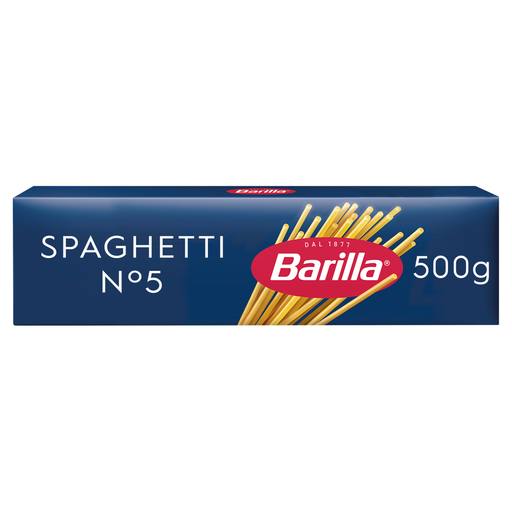 No image available
Choose this dried spaghetti if you want to prepare a simple topping separately for a weekday meal. The pack size is 500g; check the pack’s salt figure and serving basis, and consider omitting or reducing salt in the cooking water.
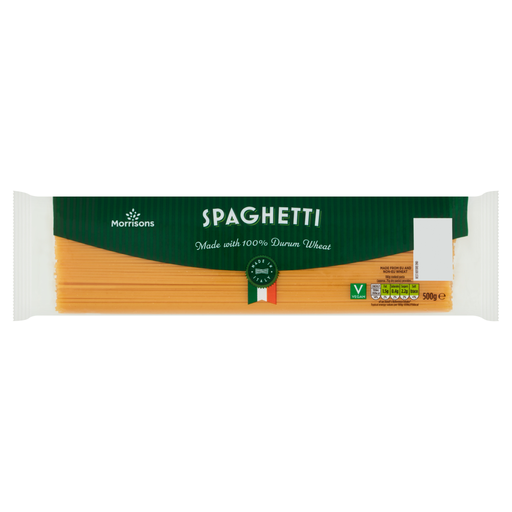 No image available
This 500g dried spaghetti can be paired with a topping whose salt per serving you have checked. If limiting salt is the priority, consider omitting or reducing salt in the cooking water and read the pack’s nutrition and preparation details before comparing it with another pasta.
 No image available
This 500g dried spaghetti suits a breakfast built around a separately chosen sauce or tomato topping. Check the pack’s cooking instructions if morning preparation time matters, and assess the finished meal with any cooking-water salt and topping included.
Check ordinary plain dried pasta first. The reviewed Tesco Organic Spaghetti and Sainsbury’s Stamford Street Co. Spaghetti list very little salt under their stated preparation conditions; the sauce and salt added during cooking also matter to the finished meal.
Not necessarily: low fat and lower salt are different claims. Tesco Groceries lists 0.75g salt per 112g portion and a medium salt indicator for the reviewed Dolmio Low Fat Bolognese, so check the exact sauce’s salt line.
Use the salt colour as a quick guide, then compare the nutrition figures for portions of a similar size. GOV.UK explains that green, amber and red indicate low, medium and high levels respectively; some packs do not carry a front-of-pack traffic-light label.
Taste the pasta and topping first, then consider herbs, spices, black pepper, garlic, chilli or lemon juice. The NHS suggests these as alternatives to adding salt; check any prepared topping’s label as well.
Do not assume it is. The reviewed Tesco and Sainsbury’s spaghetti products contain durum wheat; if you need gluten-free pasta, choose a product specifically labelled for that requirement and check its ingredients.