
24/7 Customer Support

Free returns

Same-day & Next-day Delivery

Quality Guaranteed

Unlock Your Welcome Offers: FREE Delivery | Up to 80% OFF | Free 30-day JoyPlus trial
Download the APP
A peaceful home should be a sanctuary, a place where you can relax and breathe freely. However, invisible airborne particles like dust, pollen, pet dander and smoke can disrupt this tranquillity, especially for those with allergies or sensitivities. Finding an effective solution that doesn't add disruptive noise to your space can be a challenge.
As a Joybuy Product Recommendation Officer, my role is to help you navigate the options. This guide is designed to provide clear, practical advice on selecting a quiet air purifier for your home, focusing on the features that matter most for improving your indoor air quality without disturbing your peace.
Before looking at specific models, it's helpful to understand a few key considerations. These points will help you identify which features are most important for your household.
The effectiveness of an air purifier lies in its filter. The most common and widely recognised standard is the HEPA air purifier. HEPA stands for High-Efficiency Particulate Air, and these filters are designed to capture at least 99.97% of airborne particles down to 0.3 microns in size. This includes common irritants like dust mites, pet dander, pollen and mould spores, making it a crucial feature for an air purifier for allergies and pets.
Many units also include an activated carbon layer, which is excellent for absorbing odours and volatile organic compounds (VOCs) from cooking, pets or smoke. Some advanced models may also incorporate technologies like UV-C light, which can help neutralise bacteria and viruses trapped within the filter, offering an additional layer of purification.
An air purifier is only effective if it can handle the size of your room. This is measured by the Clean Air Delivery Rate, or CADR. This number indicates how quickly the purifier can clean the air within a specific area. Manufacturers usually provide a recommended room size in square metres (m?).
For a bedroom air purifier, a lower CADR may be sufficient, whereas a large, open-plan living area will require a unit with a much higher CADR to circulate and clean the air effectively. Always check the CADR and recommended room size to ensure the model you choose is a good match for your space.
For a purifier to be used comfortably, especially in a bedroom or office, its noise level is paramount. This is measured in decibels (dB). For reference, a whisper is around 20-30 dB, while a normal conversation is about 60 dB.
Look for models that specify a low noise level for their lowest fan setting or a dedicated 'sleep mode', ideally below 30 dB. A smart air purifier often includes an automatic mode that adjusts fan speed based on air quality, running quietly in the background and only increasing power when needed.
Here are a few recommendations that balance quiet operation with effective air purification for different needs and spaces.
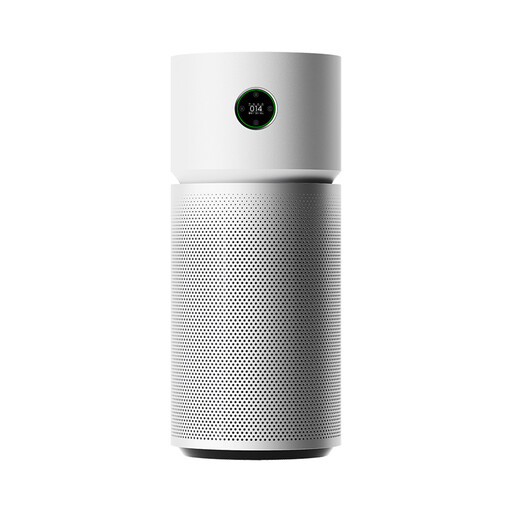
Why It Stands Out: The Xiaomi Elite is a high-performance option designed for large spaces. Its combination of a three-in-one filtration system and UV-C LED with plasma technology targets a wide range of pollutants. With a very high CADR of 600m?/h, it can handle rooms up to 125m?, making it suitable for open-plan living areas.
Pros:
Who is it for? This model is ideal for those with large living spaces or open-plan homes who need powerful, comprehensive air purification and appreciate the convenience of smart home integration.
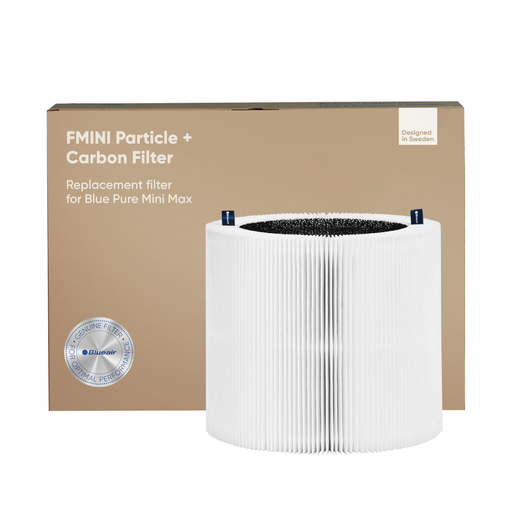
Why It Stands Out: The BLUEAIR 511i Max uses proprietary HEPASilent technology, which combines electrostatic and mechanical filtration. According to the brand, this allows it to deliver clean air quietly and with less energy than traditional HEPA systems. Its customisable fabric pre-filter also adds a touch of Scandinavian design to your home.
Pros:
Who is it for? A great choice for medium-sized rooms like bedrooms or home offices, particularly for users who value quiet performance, energy efficiency and a design that blends with their decor.
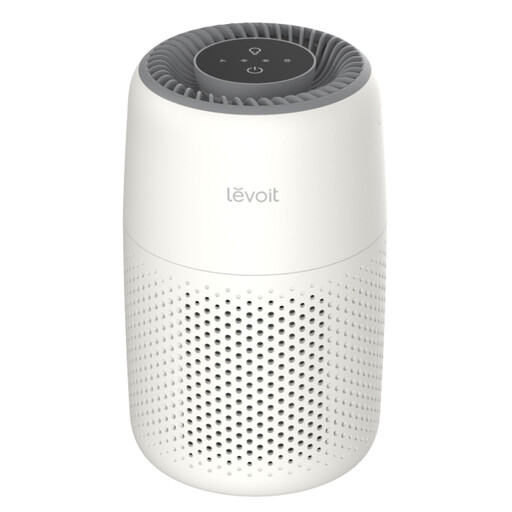
Why It Stands Out: The Levoit Core Mini proves that effective air purification can come in a small package. Designed for personal spaces, its compact size makes it perfect for a desk or nightstand. Despite its small footprint, it features a 3-stage filtration system and operates at a near-silent 25 dB. A unique feature is the aroma pad, allowing you to add essential oils for a gentle, fresh scent.
Pros:
Who is it for? Perfect for individuals seeking a personal bedroom air purifier for a small room, nursery or office desk, where space and quietness are the top priorities.
The models above represent a selection of what is available, but every home has unique needs. If you are looking for different sizes, features or price points, there are many other purifiers to consider.
Explore our full range of home air filters to find the right fit for your home.
1. Do quiet air purifiers actually work for allergies and pets? Yes, they can be very effective. The key is to choose an air purifier for allergies and pets that is equipped with a true HEPA filter. This type of filter is specifically designed to capture the fine particles of pet dander, pollen and dust mites that commonly trigger allergic reactions.
2. How often do I need to change the filter in my air purifier? Filter lifespan varies depending on the model, usage and the level of pollutants in your home. Generally, most HEPA and carbon filters require replacement every 6 to 12 months. Many modern units, especially a smart air purifier, will have a filter life indicator or send a notification to an app to let you know when it's time for a change.
3. Can I run an air purifier all night? Absolutely. In fact, running a purifier overnight is highly recommended for maintaining clean air while you sleep. This is why choosing a quiet air purifier for home with a low decibel rating (under 30 dB) or a dedicated, non-luminous sleep mode is so important for an undisturbed night's rest.