
24/7 全天候客户支持

免费退货

当日/次日达

品质保障

开启新人专享福利: 全场免邮 | 低至 2 折 | 免费试用 30 天 JoyPlus 会员
下载 Joybuy
A good night's sleep or a productive day at your home office can be easily disrupted by the persistent hum and rattle of a poorly chosen fan. As temperatures fluctuate, finding a quiet fan for your bedroom becomes less of a luxury and more of a necessity. However, the market is filled with models that promise silence but deliver a racket.
Before you make a purchase, it's crucial to understand the common pitfalls that lead to buyer's remorse. Many consumers find themselves disappointed by fans that fail to live up to their claims, wasting both money and patience. Here are the key issues to watch out for.
To avoid these traps, focus on a few key technical specifications. Understanding these will empower you to choose a fan that delivers on its promises of being a silent cooling fan.
The most important metric for a fan for sleeping is its decibel (dB) rating. This number objectively measures sound level. Ignore vague terms like "silent" and look for the dB value, usually measured at the fan's lowest setting.
The type of motor a fan uses has a significant impact on its noise level and energy consumption.
A fan's primary job is to move air. Look for features that enhance circulation without adding noise. A tower fan with remote control often uses a vertical design to move air over a larger area. A bladeless fan can offer a smooth, uninterrupted stream of air and is often safer for homes with children or pets. The key is to find a balance between powerful airflow, measured in cubic feet per minute (CFM) and a low decibel rating.
To help you navigate the options, we've matched some products to specific user needs, focusing on how they solve the common problems discussed.
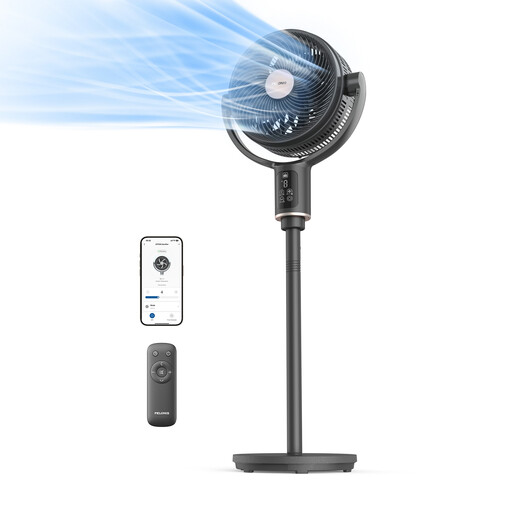
Why This Fits Their Persona: This fan is engineered for those who cannot tolerate any noise while sleeping. Its ultra-low noise level, smart controls for hands-free adjustment and dedicated sleep mode make it an ideal companion for a peaceful night in any UK bedroom.
It directly counters the "whisper-quiet" myth with a verifiable 24dB noise rating. The energy-efficient DC motor and solid pedestal construction prevent the development of rattles over time.
Features a quiet DC motor and 3D oscillation (horizontal and vertical) to circulate air throughout the entire room without creating disruptive hotspots of noise or airflow.
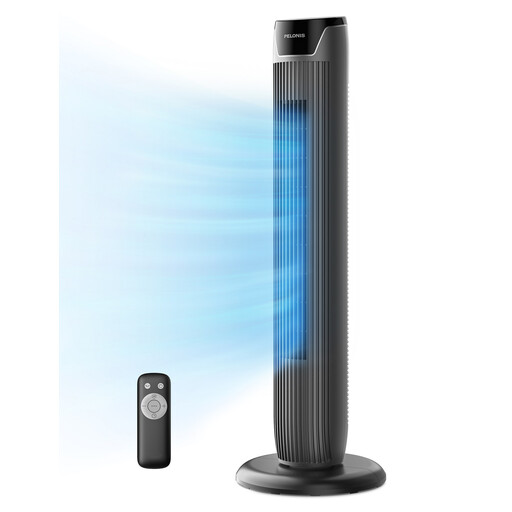
Why This Fits Their Persona: For those working from home, this fan's slim tower design saves valuable floor space. Its 39dB quiet operation ensures it won't be picked up on video calls, while the remote allows for easy adjustments without interrupting workflow.
It avoids the "silent but weak" problem by providing robust airflow with multiple speed settings and a specified, reasonable noise level. Its stable base and quality build prevent the rattle trap.
Features an intelligent AI mode that automatically adjusts fan speed based on room temperature, optimising both comfort and energy use. The wide 75° oscillation ensures even air distribution in a home office.
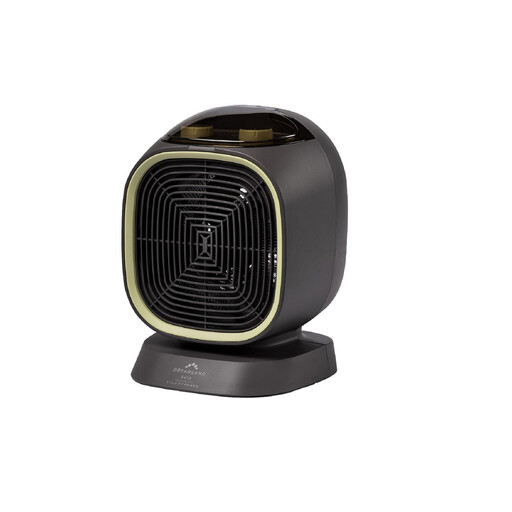
Why This Fits Their Persona: This device is for the practical UK resident who wants a single solution for both heating and cooling. It's a low energy fan heater that provides warmth in winter and a cool air function for summer, all while operating quietly.
Its Quiet Mark Certification provides independent, third-party verification of its low-noise claims, cutting through marketing hype. The ECO technology ensures it runs efficiently, avoiding high energy bills.
A versatile, year-round appliance with four operating modes (including cool air). Its IP21 protection rating makes it suitable for use in humid environments like bathrooms, adding to its practicality.
We have compiled a complete, real-time list of products that fully satisfy these strict selection criteria and UK safety regulations.
The running cost depends on the fan's power consumption (wattage) and your electricity tariff. A modern, energy efficient fan with a DC motor might consume as little as 2-5 watts on a low setting. For an 8-hour night, this is extremely low. For example, a 5W fan running for 8 hours uses 0.04 kWh. At an average electricity rate of 25p per kWh, this would cost just 1p for the entire night. Always check the wattage of the fan to make an accurate calculation.
The primary advantages of a bladeless fan are safety and ease of cleaning. With no accessible spinning blades, they are a safer choice for households with young children or pets. They also produce a smooth, consistent stream of air rather than the buffeting effect of traditional bladed fans. This can feel more pleasant over long periods. Many quiet models, including the portable neck fan style, use this technology.
Modern fan heaters come with multiple safety features. Look for models with tip-over protection (which automatically shuts the unit off if it's knocked over) and overheat protection. A low energy fan heater with a programmable timer is also a great feature, allowing you to set it to turn off after a few hours. While these features make them much safer, it is always advisable to follow the manufacturer's specific safety instructions and ensure the unit is placed on a hard, flat surface away from flammable materials like bedding or curtains.