Quiet-study users
If you make revision cards in a library, shared study room or bedroom, quieter button presses may matter to you and the people nearby. Check the click claim for the exact mouse model.


For revision-card work in a quiet study, start with a mouse whose exact model specifies quiet or noise-reduced clicks. Then match its Bluetooth, USB-receiver or wired connection to your device; if you edit cards for long periods, check size, shape and handedness rather than assuming a quiet mouse will fit your hand.
If you make revision cards in a library, shared study room or bedroom, quieter button presses may matter to you and the people nearby. Check the click claim for the exact mouse model.
Extended reading and card editing make hand size, grip shape and handedness worth checking alongside click noise.
If you revise on more than one device, check whether each one can use the mouse’s Bluetooth connection, USB receiver or cable.
For revision cards in a quiet study, check the sound of the clicks first, then make sure the mouse can connect to your device and fits your hand.
| Concern | What to check | Who this matters to |
|---|---|---|
| Click noise | Look for a quiet-click claim for the exact model. Check whether it covers button clicks rather than other desk sounds. | When I make cards near other people, I want my button presses to be less disruptive; around 42% of consumers put quieter clicks first. |
| Device connection | Check Bluetooth compatibility or the available USB port against the mouse’s stated connection type. | If I move between study devices or have limited ports, I need a connection that works with my setup; for around 33% of consumers, connection fit comes first. |
| Hand fit | Compare the exact variant’s size and handedness guidance with your hand and preferred grip. | During long card-editing sessions, I need a shape I can use comfortably; hand fit is the primary concern for around 25% of consumers. |
A quiet-click claim concerns mouse buttons; it does not establish how a keyboard, scroll wheel or desk surface will sound.
Use the click claim to shortlist mice, then consider other sounds in your study setup separately.
A receiver-based mouse needs a suitable port on the device you use for revision. A Bluetooth mouse avoids occupying that port when the device is compatible.
Inspect your device’s ports before choosing a USB-receiver model.
A computer without a suitable port may also need a compatible adapter.
Hand size and handedness still matter. Logitech, for example, distinguishes the Signature M650, M650 L and M650 L Left by intended hand size and handedness.
Check the exact variant’s size guidance and shape before buying.
GOV.UK advises taking unwanted electrical products and batteries to an appropriate recycling collection point rather than putting them in household rubbish.
Use a suitable collection point for the battery and an appropriate electrical-waste collection route for the mouse.
Logitech lists several quiet-click mice with different connections and shapes, including the Bluetooth M240 Silent, size-specific Signature M650 variants and wired M110 Silent.
The HP 280 Silent Wireless Mouse is a quiet-click option that connects through a 2.4 GHz USB receiver.
The Yoga Bluetooth Silent Mouse is aimed at people who switch between compatible study devices.
These mice offer different connections and shapes for revision-card work. Check the exact listing’s click description, device compatibility and fit before choosing.
 No image available
For longer card-editing sessions, consider its stated ergonomic shape alongside your own hand fit.
Confirm the exact MX Master 3S variant, its connection options and whether a receiver is included before buying.
 No image available
Consider this model if you want a quiet-click mouse for switching among compatible study devices.
The title specifies 2.4G+BT connectivity and an AA battery. Check which connection each device supports and whether the shape suits your hand.
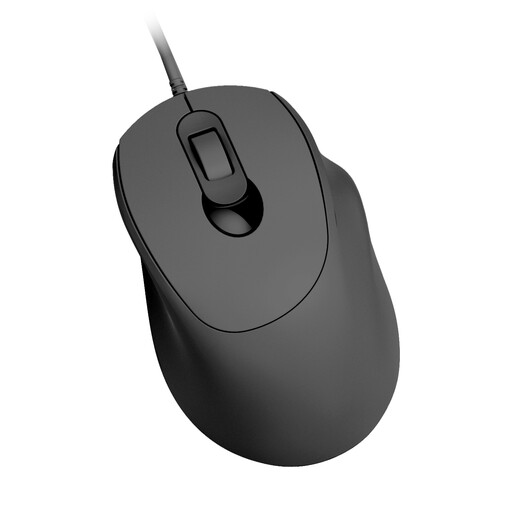 No image available
This wired option suits a study desk where a cable is acceptable and you want to avoid wireless pairing.
The title specifies four buttons and 1000/1200/1600 DPI settings. Check that your computer has a suitable USB port and room for the cable.
 No image available
Consider this quiet-click option if your study computer has a suitable port for a USB receiver.
The title specifies a 2.4 GHz connection and 1600 DPI. Check receiver-port compatibility before choosing it.
 No image available
Consider this receiver-based mouse for card editing if your computer has a suitable USB port and its click description meets your quiet-study needs.
The title specifies five adjustable DPI settings. Check the exact device compatibility before buying.
Choose Bluetooth if your study device supports the mouse’s connection and you want to leave its USB ports free. A receiver-based model can suit a computer with a spare compatible port; check the exact mouse and computer before buying.
Check a named size or handedness variant rather than relying on a quiet-click label. Logitech recommends the Signature M650 L for large hands and offers an M650 L Left variant for left-handed users; its M240 Silent has an ambidextrous shape if you prefer a neutral design.
Check the battery arrangement for the exact wireless model if you want to plan for replacement. Logitech lists 18 months for the M240 Silent, HP states up to 18 months for the HP 280 Silent, and Lenovo states up to 36 months for the Yoga Bluetooth Silent Mouse; these manufacturer figures can vary with use. A wired mouse avoids wireless-mouse battery replacement.
Take unwanted mice and batteries to appropriate recycling collection points rather than putting them in household rubbish, as GOV.UK advises. Check the collection arrangements for electrical items and batteries in your area.