Quiet-study record keepers
People entering member details, checking lists and sending routine correspondence where repeated clicks could distract them or others nearby.


For occasional membership-record work, start with a quiet-click mouse that connects to your computer. For long sessions, give hand fit more weight; for wide spreadsheets, consider whether horizontal scrolling or programmable controls would help. Check scroll noise separately from click claims, and keep the mouse in line with your elbow, as the Health and Safety Executive advises.
People entering member details, checking lists and sending routine correspondence where repeated clicks could distract them or others nearby.
People who spend extended periods navigating records and spreadsheets and need to assess grip, hand fit and desk layout alongside click noise.
People who move membership work between devices or regularly navigate wide spreadsheets, where device switching, horizontal scrolling or shortcuts may be useful.
Start with the sounds that matter in your study, then assess fit and navigation for the length and type of record work you do. Finally, match the connection method to your computer.
| Concern | What to check | Who this matters to |
|---|---|---|
| Click and scroll noise | Check what the quiet-click claim covers and whether the wheel is also described as quiet. | If repeated clicks distract me or others nearby, I need to consider wheel noise as well as button noise. Around 36% of consumers put low disturbance first. |
| Comfort during long sessions | Check hand-size and handedness guidance; make sure the mouse can sit in line with your elbow. | During sustained record entry, I need a shape that fits my hand without making me reach across the desk. Comfort comes first for around 29% of consumers. |
| Records and spreadsheet navigation | Assess wheel control and whether horizontal scrolling or programmable buttons work with your software. | When I move through long lists or wide sheets, repeated navigation steps matter more than extra controls I would never use. Around 21% of consumers prioritise navigation. |
| Connection and desk setup | Confirm Bluetooth support or a suitable USB port, and check whether the chosen mouse includes a receiver. | If I change computers or need to keep a USB port free, the connection method shapes what will work at my desk. It is the primary concern for around 14% of consumers. |
Quieter buttons do not necessarily mean quiet scrolling or gliding. Manufacturers' noise-reduction claims can also use different comparisons.
If wheel noise matters in your study, look for a statement about the chosen model's scrolling or gliding rather than relying on its click claim.
Hand size, handedness and mouse placement all affect whether a shape suits a long session. The Health and Safety Executive advises positioning the mouse in line with the elbow.
Check the model's fit guidance and available hand orientation, and assess it as part of your whole desk setup.
A tilt wheel, device switching or programmable buttons will not simplify ordinary list entry unless they match your tasks and software.
Identify the actions you repeat before choosing those features, and check operating-system support for any shortcuts you plan to use.
GOV.UK advises that electrical products and batteries marked with the crossed-out wheelie-bin symbol should not go in household rubbish.
Check local electrical and battery collection options when replacing a mouse; a retailer's like-for-like take-back route is another option when buying a new electrical product.
Its range includes compact Bluetooth, wired and vertical quiet-mouse options, as well as models with additional navigation controls.
HP has receiver-based quiet-mouse and Bluetooth navigation options for different desk setups.
The Yoga Bluetooth Silent Mouse is a full-size option for work across several Bluetooth devices.
The compact MS355 offers a choice of Bluetooth or RF-receiver connection for a quiet desk setup.
These mice offer different ways to handle membership records at a quiet desk, including Bluetooth, receiver-based wireless and wired connections. Choose by the sounds, controls and computer connection that matter to your work.
 No image available
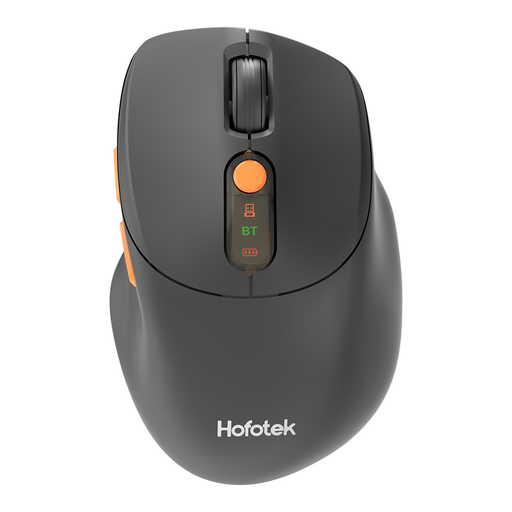
Consider its Bluetooth and 2.4G connection options if you move record work between computer setups. The title specifies adjustable DPI and 1xAA battery use; check scroll sound and hand fit if you work for long stretches.
 No image available
A receiver-based option for a computer with a suitable USB port. The title specifies a 2.4GHz connection, USB receiver, 1600 DPI and silent clicks; check wheel sound separately if you scroll through long lists.
 No image available
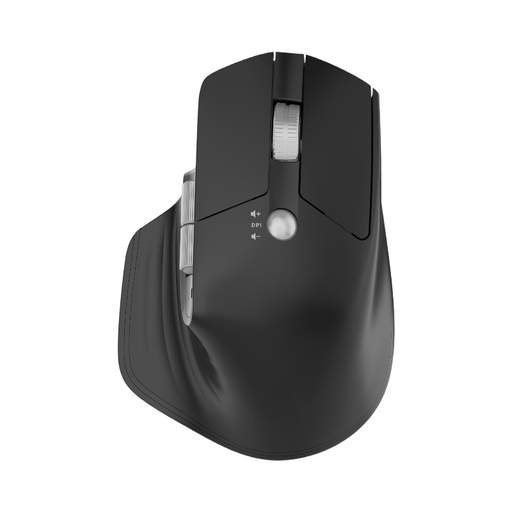
Consider this if you want a choice between Bluetooth and 2.4G wireless connection for record work. Its title specifies one-touch DPI adjustment; assess hand fit yourself rather than relying on the ergonomic label.
 No image available
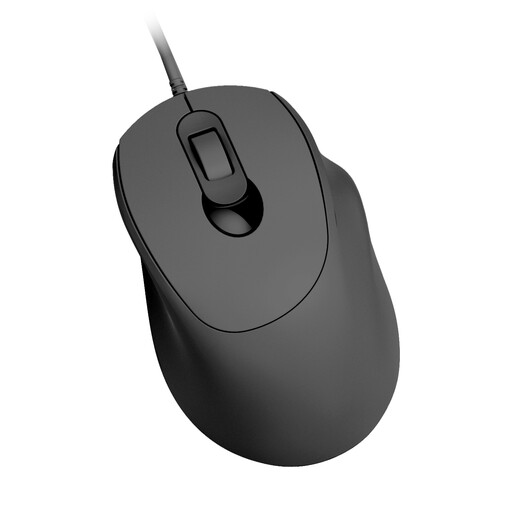
A wired choice for a fixed study desk with a compatible USB port. The title specifies four buttons and 1000/1200/1600 DPI settings; allow room for the cable and check wheel sound if quiet scrolling matters.
 No image available
Consider its wireless USB setup if your computer has a compatible port and adjustable pointer speed matters to you. The title specifies five DPI settings; check click and wheel sounds before choosing it for a quiet study.
No: a quiet-click description does not necessarily cover the wheel or the sound of the mouse moving across the desk. Check the exact model's scrolling and gliding descriptions if either sound would distract you; Logitech, for example, describes Lift's scroll wheel as quiet.
Choose by the connections your computer has and whether the mouse stays at one desk. Bluetooth can leave a USB port free, a receiver needs a suitable port, and a wired mouse avoids pairing and batteries but adds a cable. Confirm the connection method and included accessories for the exact model.
A vertical shape is worth assessing if grip and hand fit are priorities, but comfort is individual and the mouse is only one part of the setup. Logitech says Lift is intended for small to medium hands; the Health and Safety Executive advises keeping the mouse in line with your elbow.
Use an appropriate electrical or battery collection route rather than putting marked items in household rubbish. GOV.UK identifies household waste recycling centres for electrical products and like-for-like retailer take-back when buying a replacement electrical item.