Quiet-study newsletter editors
Repeated text selections and layout changes make click noise noticeable when you work near others or need a low-distraction room. Scrolling control matters when you move between individual edits and longer pages.


For regular newsletter editing in a quiet study, start with a mouse that fits your hand, has a stated quiet-click feature and gives you the scrolling control you need. A vertical mouse or trackball may suit a different grip or a desk with little room for mouse movement, while a compact mouse makes more sense when you move between devices; none of these shapes alone establishes how quiet its scroll wheel will be.
Repeated text selections and layout changes make click noise noticeable when you work near others or need a low-distraction room. Scrolling control matters when you move between individual edits and longer pages.
If you spend extended periods at a desk, check how the mouse fits your hand as well as where it sits in your workstation. A different shape does not replace comfortable reach and positioning.
A compact mouse or one that switches between compatible devices may be useful when newsletter work moves between a study computer, laptop and tablet. Check connections before giving up a larger, more supportive shape.
For a quiet-study workflow, check button and wheel noise separately, then match the controls and hand fit to your editing sessions. Confirm how the mouse connects to each device you intend to use.
| Concern | What to check | Who this matters to |
|---|---|---|
| Clicking and scrolling noise | Look for a quiet-click claim for the exact model; check for a separate quiet-scroll claim if wheel noise matters. | When each edit involves another click, I want the mouse to distract neither me nor people nearby. Around 36% of consumers would put low-distraction operation first. |
| Navigation and repeated actions | Check for controlled line-by-line scrolling and useful extra buttons; confirm software compatibility if you want custom shortcuts. | I move between close copy edits and longer pages, so reaching the right place without disrupting my work is the priority. Around 29% of consumers would prioritise editing control. |
| Comfort during longer sessions | Check hand-size and handedness guidance, grip and mouse placement within easy reach. | If I edit for hours at a desk, a shape I can use comfortably matters more to me than portability. Around 21% of consumers would make long-session fit their primary concern. |
| Portability and connections | Confirm Bluetooth or receiver support, available USB ports and how switching between compatible devices works. | I take my editing work between devices and want a mouse that is practical to carry and connect. Around 14% of consumers would put portability and device switching first. |
Button clicks and wheel movement can make different sounds. A quiet-click claim alone does not establish how the wheel sounds while you scroll through a newsletter.
Read the claim for the exact model and look for a separate quiet-scroll description if wheel noise matters in your study.
Fit varies even within a model range: Logitech lists different size and left-handed versions of the Signature M650, while its Lift guidance centres on small-to-medium hands.
Check the version and the maker’s fit guidance before ordering rather than treating an ergonomic label as a fit guarantee.
Mouse shape cannot correct a setup that makes you reach across the desk. The Health and Safety Executive advises keeping the mouse within easy reach and in line with the elbow.
Review the mouse position alongside the rest of your workstation, particularly if you work at a laptop for long periods.
Connections differ: Logitech lists Bluetooth Low Energy and Logi Bolt for the Signature M650, HP specifies a 2.4 GHz dongle for the 280 Silent, and Dell lists Bluetooth and RF-dongle options for the MS355.
Check the exact connection and your computer’s compatible ports and operating system before choosing.
Its relevant range includes conventional quiet-click mice, compact multi-device models, vertical mice and trackballs.
The HP 280 Silent Wireless Mouse is a conventional receiver-connected option.
The compact MS355 offers a quiet-mouse route with Bluetooth or RF-dongle connectivity.
These mice offer different routes for study-based editing, including quiet-click wired and wireless options and models with adjustable cursor speed. Compare each model’s stated controls and connection with your setup, and check wheel noise separately where quiet scrolling is important.
 No image available
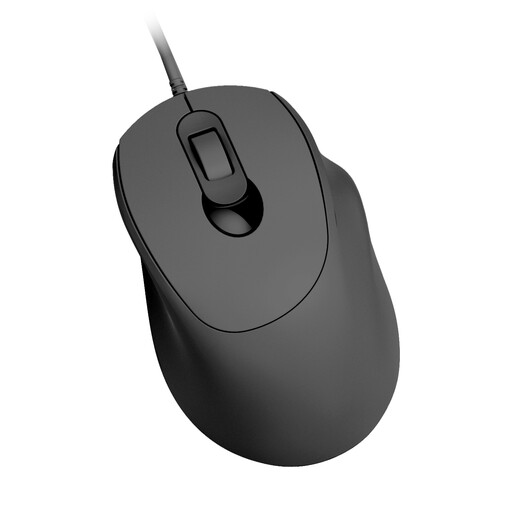
Consider this compact-style option if quiet clicks and a choice of wireless connections matter for your editing setup.
 No image available
This wired option suits a desk setup where quiet button clicks and selectable cursor speed matter more than portability.
 No image available
If adjustable cursor speed is useful while editing, compare this USB wireless model’s controls with your computer and quiet-study requirements.
 No image available
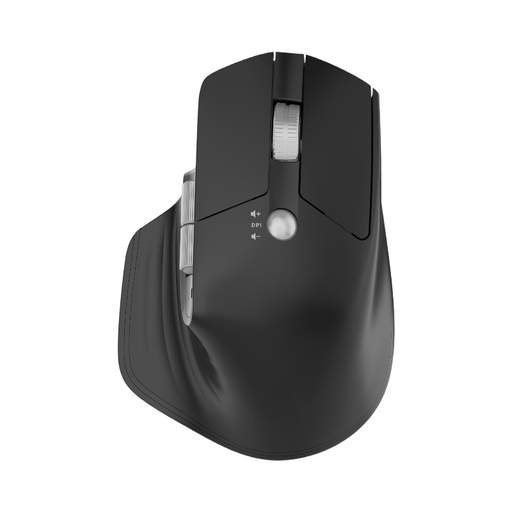
Choose this as a straightforward quiet-click option if a receiver-based connection suits your study computer.
 No image available
This option is worth checking if you want quiet clicks and a choice of wireless connection methods for editing.
Check the wheel separately if scrolling through newsletter copy is audible in your study. Quiet-click wording may cover only the buttons; Logitech describes both quiet clicks and a quiet wheel for Lift, while its Silent Touch claims for the Signature M650 and Pebble Mouse 2 M350s address clicks.
Choose a connection your computer supports and that fits your available ports. Bluetooth avoids occupying a USB port, while a receiver uses a compatible port; check the exact model, as Logitech lists Bluetooth Low Energy or Logi Bolt for the Signature M650 and Dell lists Bluetooth or RF for the MS355.
A vertical mouse is not a treatment for wrist pain, and its shape alone cannot determine whether it will feel comfortable to you. Check hand fit and mouse placement; the Health and Safety Executive advises keeping the mouse in line with the elbow, while the NHS advises seeking help when wrist pain limits normal activities or involves symptoms such as tingling or loss of sensation.
A home-study setup still needs a mouse within comfortable reach, regardless of the model you choose. The Health and Safety Executive’s display-screen guidance advises positioning it in line with the elbow; its workplace rules apply to employers whose workers regularly use display screens as a significant part of their normal work, not automatically to every personal newsletter project.