For a quiet study, start with a mouse that explicitly claims quieter clicks rather than relying on a general office-mouse description. Then match Bluetooth, a USB receiver or a wired connection to your device and available ports; for longer sessions, consider hand fit and whether the mouse can sit in line with your elbow. Quiet-click and battery claims apply to particular models and controls, so check the exact variant before buying.
Who needs a quiet study mouse?
Quiet-study note organisers
If clicking could disturb people nearby while you sort files or move between documents, look for an explicit quiet-click claim for the mouse you are considering. Logitech, HP and Rapoo describe quieter clicks on specific models; that does not make every mouse they sell quiet.
Long-session desk users
If you organise notes for extended periods, consider the mouse alongside your desk setup and hand fit. The Health and Safety Executive advises placing the mouse in line with your elbow; a different mouse shape alone cannot correct an awkward position.
Multi-device learners
If you move between a laptop and another study device, Bluetooth or a mouse with more than one connection mode may be useful. Check compatibility with each device and its operating system, as well as how the exact mouse switches connections.
What matters when choosing?
Check the scope of the quiet-click claim first, then choose a connection your study device can use. Judge comfort with the mouse in its intended position on your desk, not by its shape alone.
| Concern |
What to check |
Who this matters to |
| Click noise |
Look for a quiet- or silent-click claim for the exact model, and check which buttons it covers. |
If I am sorting notes near other readers, repeated button clicks are the sound I most want to reduce. Around 50% of consumers put quieter clicks first. |
| Device connection |
Check Bluetooth support or the required USB port, operating-system compatibility and whether you need to switch devices. |
When I move between study devices, I need a connection that works with the ports and systems I actually use. For around 30% of consumers, that compatibility is the main concern. |
| Long-session comfort |
Consider handedness, size and grip, then check that the mouse can sit in line with your elbow. |
If I spend a long session selecting and scrolling through notes, I want a shape I can use without reaching awkwardly. Hand fit and desk placement come first for around 20% of consumers. |
Common buying mistakes
-
Assuming “silent” covers every sound
A button-noise claim need not cover the wheel or sound transmitted through the desk. HP’s stated reduction of up to 90% for the 280 Silent specifically concerns its left and right buttons.
Check which controls the exact model’s claim covers, and consider the surface on which you will use it.
-
Choosing a receiver before checking ports
A receiver-based mouse needs a compatible USB connection. By contrast, Logitech says its M240 Silent connects over Bluetooth without a dongle, provided the study device is compatible.
Check your available ports, Bluetooth support and operating system before settling on a connection.
If your device lacks the required port, using a receiver may also require a compatible adapter.
-
Expecting an ergonomic shape to fix the whole desk setup
Mouse placement affects how far you reach, regardless of the shape you choose. The Health and Safety Executive advises keeping the mouse in line with your elbow.
Arrange the mouse, keyboard, screen and chair together before deciding whether a different mouse shape would help.
-
Putting an old mouse in general rubbish without checking disposal options
UK waste electrical and electronic equipment rules aim to reduce electrical equipment sent to landfill and encourage recovery, reuse and recycling, according to GOV.UK guidance.
Check for a suitable electrical-recycling or take-back route when replacing a mouse.
Relevant brands to consider
Logitech
The M240 Silent is a compact Bluetooth example for a quiet study where keeping a USB port free matters.
- Logitech states that the M240 Silent connects without a dongle and is shaped for either hand. Its stated 90% reduction concerns clicking sounds.
- Confirm Bluetooth and operating-system compatibility with your device; a compact shape is not a guarantee of individual comfort.
HP
The 280 Silent is a receiver-based example for a desk with a suitable USB port.
- HP describes a 2.4 GHz dongle and a thumb rest, and states up to 90% noise reduction for the left and right buttons.
- The receiver needs a compatible port, while the shape and thumb rest still need to suit your hand.
Rapoo
The M100 Silent is an example to examine if you use more than one compatible study device.
- Rapoo states that the M100 Silent offers Bluetooth and 2.4 GHz wireless connections, switching between connected devices and silent switches.
- Check the exact variant and each device’s compatibility; extra connection modes may offer little benefit at a single-device desk.
Joybuy mice for study notes
These Joybuy mice offer Bluetooth, receiver-based or wired choices for organising notes. Compare their stated quiet-click features and connection requirements with your own device and study space.
 No image available
HOFOTEK M311 2.4G+BT Silent Mouse, white-grey
Consider its Bluetooth and 2.4G connection options if you need to use a mouse with compatible study devices. Check compatibility with each device and whether the quiet-click claim covers the controls that matter to you.
The listed variant has adjustable DPI levels and uses one AA battery.
View on Joybuy
 No image available
Philips 3000 Series SPK7378B/00 Quiet Mouse, black, EU version
Consider this receiver-based quiet-click mouse if you prefer not to use Bluetooth. Check the receiver connector against your device before buying.
The listed variant specifies a 2.4 GHz connection, a USB receiver and 1600 DPI.
View on Joybuy
 No image available
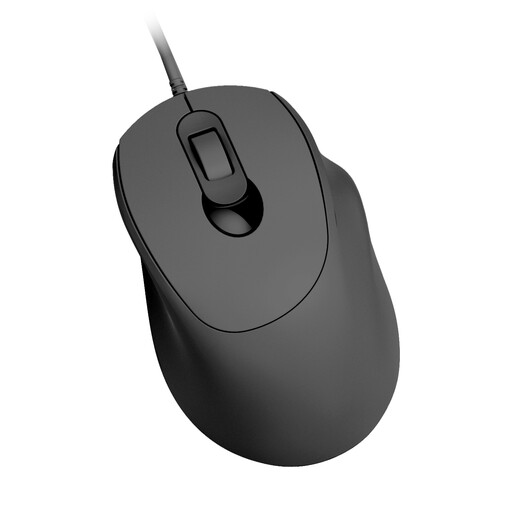
Rexsun V2 Wired Silent-Click Mouse, black
Consider a wired option if your study device has a compatible USB connection and you would rather avoid wireless pairing. The cable keeps the mouse tethered, and the quiet-click claim should be checked against the controls you use.
The listed variant has four buttons and adjustable 1000, 1200 and 1600 DPI settings.
View on Joybuy
 No image available
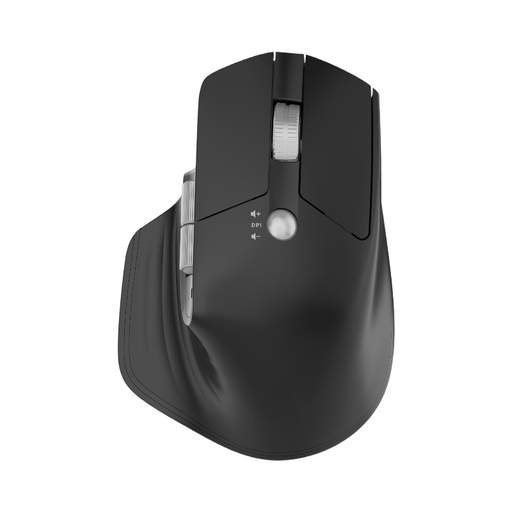
Ochama Bluetooth/2.4G Silent-Click Mouse
Its two stated connection options may suit a study setup where you want a choice between Bluetooth and a receiver. Confirm operating-system compatibility and how the connections work with your devices.
The product name also specifies one-touch DPI adjustment.
View on Joybuy
 No image available
ET Wireless Gaming Mouse with LED Backlight
If you are considering this mouse for a quiet study, check the button-noise claim and the receiver connection against your requirements rather than judging by its gaming designation. Confirm that the receiver fits your device.
The listed variant specifies five adjustable DPI levels and an LED backlight.
View on Joybuy
Frequently asked questions
Will a quiet mouse make every sound at my desk disappear?
No: a quiet-click claim may apply to particular buttons rather than the wheel or sounds made against the desk. Logitech states a 90% reduction in clicking sounds for its M240 Silent, while HP specifies up to 90% reduction for the left and right buttons of its 280 Silent. Check the scope of the claim for the model you choose.
Should I choose Bluetooth or a USB receiver for study notes?
Choose Bluetooth if your study device supports it and you want to keep a USB port free; Logitech says its M240 Silent needs no dongle. A receiver-based mouse, such as HP’s 2.4 GHz 280 Silent, calls for a suitable port. If you use more than one device, check the exact mouse’s connection and switching options.
Where should I place a mouse during a long study session?
Place the mouse in line with your elbow, as the Health and Safety Executive advises for display-screen work. Consider whether your keyboard, screen and chair arrangement lets you reach it without an awkward posture; mouse shape is only one part of that decision.
How should I dispose of an old mouse?
Check for an appropriate electrical-recycling or take-back route rather than putting it in general rubbish without checking. GOV.UK guidance says UK waste electrical and electronic equipment rules aim to encourage recovery, reuse and recycling and reduce disposal to landfill.


