Quiet shared-desk testers
If you check forms and buttons beside colleagues, quiet clicking matters, but you still need familiar pointing and scrolling controls.


For checkout-page testing at a shared desk, start with a quiet-click mouse that can connect to the actual test computer. A Bluetooth-and-receiver model offers two connection options when desks change, while a receiver-only or wired mouse may be simpler where Bluetooth is restricted. For repeated checks, weigh scrolling control, hand fit and available desk space alongside click noise; a higher sensitivity figure alone does not settle the choice.
If you check forms and buttons beside colleagues, quiet clicking matters, but you still need familiar pointing and scrolling controls.
If you move between test computers, check which machines permit Bluetooth and which have a suitable port for a USB receiver before settling on a connection method.
When page checks occupy long stretches of screen work, hand fit and workstation layout deserve attention as well as the mouse’s controls. The Health and Safety Executive advises positioning the mouse in line with the elbow.
Check the test computer’s permitted connections first, then decide which concern takes priority at the shared desk: click noise, dependable page navigation, or comfort and space during longer sessions.
| Concern | What to check | Who this matters to |
|---|---|---|
| Click noise | Look for a specific quiet-click claim for the left and right buttons. If scrolling noise matters, check what the maker says about the wheel separately. | If I repeat form and button checks beside colleagues, I want less clicking without changing how I point and scroll. Around 42% of consumers would put that low-noise need first. |
| Control and connection | Confirm permitted Bluetooth use or a suitable USB port, then consider adjustable pointer sensitivity for the displays and controls you use. | Moving between test machines makes a dependable connection and controllable cursor movement my priority. For around 33% of consumers, that need would come first. |
| Comfort and desk space | Check size and handedness options; assess whether there is room to move a mouse or whether a stationary trackball suits your control style. | During long checks at a cramped desk, I need a device that fits my hand and the space available. That would be the primary concern for around 25% of consumers. |
Bluetooth and USB-receiver models need different connection options. A quiet mouse is of little use for a test machine that does not permit its connection method.
Check the computer’s Bluetooth policy, operating-system compatibility and available ports. For a receiver model, confirm whether the required receiver is included.
An unsuitable port or connection method may mean using an adapter or choosing another mouse.
Dots per inch (DPI) describes pointer sensitivity, not whether a mouse will feel easier to control while selecting fields and buttons.
Look for sensitivity settings you can adjust, then consider hand fit and scrolling control on the display and desk surface used for testing.
A quietness claim may cover the left and right buttons without covering the scroll wheel or other controls.
If you scroll through long checkout pages near colleagues, check which controls the manufacturer actually describes as quiet.
For regular screen work, mouse choice does not replace attention to positioning and the wider workstation arrangement.
The Health and Safety Executive advises keeping the mouse in line with the elbow. Where display-screen work is regular, follow the employer’s workstation assessment process as well.
Relevant lines include quiet productivity mice, hand-size variants and a stationary trackball for restricted desk space.
Dell has compact and full-size silent office mice relevant to different desk sizes and connection needs.
HP offers a receiver-based quiet mouse and a Bluetooth model with multi-device controls.
These mice offer wired, receiver-based and Bluetooth-or-receiver options for shared-desk checkout checks. Match the connection to your test computer first, then compare the stated click and pointer controls; check scrolling noise separately if it matters at your desk.
 No image available
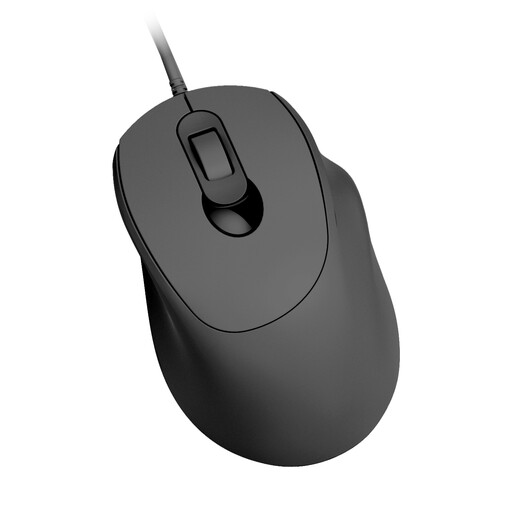
A wired option for repeated checks when the shared-desk computer has a suitable USB port and the cable can be placed comfortably.
The title specifies four buttons and 1000, 1200 and 1600 DPI settings, with Windows and Mac compatibility. Its silent-click wording concerns clicking; check the wheel separately if scrolling noise matters.
 No image available
Consider this receiver-based option if the test computer has a compatible USB port and quiet clicking is the main shared-desk concern.
The title specifies a 2.4 GHz USB receiver, silent clicks and a 1600 DPI optical sensor. Check the wheel’s noise if scrolling is frequent.
 No image available
Its two stated connection modes may suit testers who change computers, provided each machine permits the chosen method.
The title lists multi-level DPI adjustment and one AA battery. Check the hand fit and wheel controls before relying on it for long scrolling sessions.
 No image available
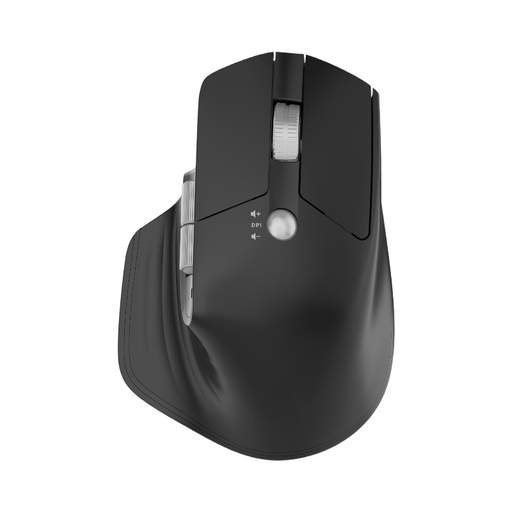
The two connection options are relevant when different shared-desk computers favour different setups; confirm compatibility with the exact test machine.
The title specifies one-touch DPI adjustment and an ergonomic shape. Check how the shape fits your hand and whether the wheel meets your scrolling needs.
 No image available
This is another option to assess for a USB-receiver test setup, but check that its button behaviour suits the operating system you use.
The title specifies five adjustable DPI settings. The product information describes quiet left and right buttons; side buttons are described as unavailable on Mac. Check wheel behaviour separately for frequent page scrolling.
No. Bluetooth is useful when the test computer permits it and you want to leave a USB port free; a receiver can be practical when a suitable port is available. Check the exact mouse before assuming it offers both methods.
Not by itself. DPI affects pointer sensitivity, while usable control also depends on your settings, display, desk surface and how the mouse feels in your hand. Adjustable settings are worth considering if you need to tune cursor movement.
Consider the mouse as part of the whole workstation, not a substitute for suitable positioning. The Health and Safety Executive says display-screen-equipment regulations apply to workers who use such equipment daily for continuous periods of an hour or more; its posture guidance places the mouse in line with the elbow. Follow your employer’s workstation assessment process where applicable.
Use an appropriate electrical-waste or battery collection route rather than putting marked electrical products or batteries in household rubbish. GOV.UK guidance on recycling batteries and electrical waste explains the relevant collection options; check local arrangements for the mouse and any removable battery.