Writers working near colleagues
If you spend much of the day drafting, proofreading and moving through documents at a shared desk, an explicit quiet-click specification matters more than whether a mouse is simply wireless.


Start with a mouse that explicitly specifies quiet clicks, then choose its shape and connection to suit your desk routine. A compact Bluetooth model can cover straightforward laptop writing; a larger mouse with navigation controls may suit lengthy document reviews, while a vertical shape is worth considering if hand fit and comfort matter more than familiarity. Check the whole workstation rather than expecting a mouse alone to address discomfort.
If you spend much of the day drafting, proofreading and moving through documents at a shared desk, an explicit quiet-click specification matters more than whether a mouse is simply wireless.
Repeated selection, scrolling and reference checking make hand-size fit and workstation setup worth considering alongside click noise. A vertical shape is one option, not a requirement for comfort.
If your review involves a laptop, another computer or a tablet, check how the mouse switches between compatible devices and whether its connection suits the equipment you use.
For a book review written near colleagues, establish what makes noise and whether the mouse fits your hand before paying for extra connections or controls.
| Concern | What to check | Who this matters to |
|---|---|---|
| Click noise | Look for an explicit quiet- or silent-click claim. If you scroll often, check the wheel separately: a click-noise claim need not cover it. | I draft beside colleagues and want repeated clicks to draw less attention; around 42% of consumers put quiet operation first. |
| Fit during long reviews | Check the stated hand-size range and handedness, then consider the desk, chair and display as part of the same setup. | Long stretches of selecting passages and checking references make a comfortable hand position my priority; around 33% of consumers chiefly favour fit for extended work. |
| Connections and navigation | Match Bluetooth or a USB connection to your computer; consider device switching or extra controls only if your workflow uses them. | I move between devices or work through lengthy documents and want fewer interruptions to that routine; roughly 25% of consumers place workflow flexibility first. |
Wireless describes the connection, not the sound of the buttons. A mouse used beside colleagues still needs a model-specific click-noise claim.
Check which buttons the claim covers, and look for a separate wheel-noise description if scrolling is a concern.
Hand size, handedness and desk arrangement affect whether a vertical shape suits your work. The Health and Safety Executive treats the mouse as one part of a display-screen workstation.
Check the model's fit guidance and review your wider workstation if discomfort continues.
Switching between several devices and using extra buttons can help with reference-heavy work, but they add little to a routine centred on one laptop.
Choose those features for tasks you actually perform, and check whether a required USB receiver comes in the box.
Its relevant range includes compact silent Bluetooth mice, size-specific conventional mice, vertical designs and compact multi-device models.
The Mydo is a conventional wireless option for consumers who want quieter primary buttons.
The Pro Click V2 is aimed at people who want an ergonomic shape, shortcuts and multi-device connectivity for work.
These mice offer wired USB, USB-receiver or Bluetooth options for writing and document review near colleagues. Compare each model's stated click coverage, fit and connection with the equipment at your desk.
 No image available
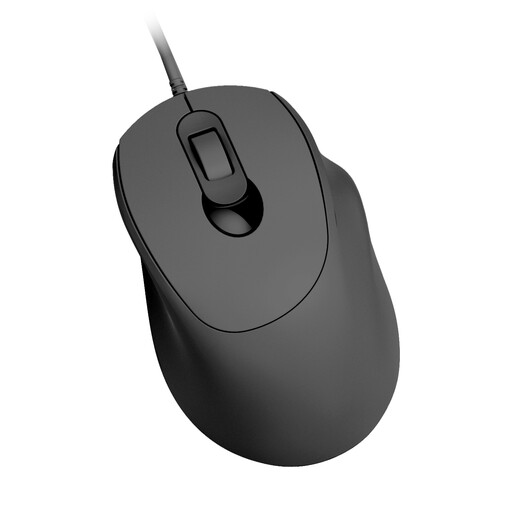
Consider this for writing at a fixed desk if a wired USB connection suits your computer. The four-button mouse lists 1000, 1200 and 1600 DPI settings and Windows and Mac compatibility. Check cable reach and wheel noise if either matters to your setup.
 No image available
This is a wireless option to consider if your writing setup calls for Bluetooth or 2.4G connectivity. Its name specifies adjustable DPI settings and one AA battery. Check compatibility with your work device, receiver contents and wheel noise before relying on those features.
 No image available
Consider this conventional wireless mouse if your computer has a suitable port for its 2.4GHz USB receiver. The named variant lists silent clicks and 1600 DPI. Check wheel noise separately if you scroll through references frequently.
 No image available
Its described silent left and right buttons make it worth considering for shared-office clicks, while the five adjustable DPI settings offer cursor-speed choices. It uses a USB receiver, and its side buttons are unavailable on Mac; check wheel noise if that is important to you.
 No image available
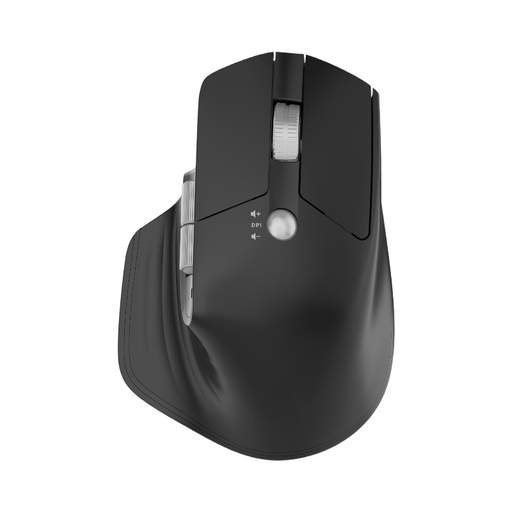
Consider this option if Bluetooth and 2.4G connections would suit different parts of your writing routine. It lists one-touch DPI adjustment; before buying, check compatibility with your computer, what comes in the box and whether the wheel is quiet enough for your desk.
Not necessarily: check the wheel claim separately. Logitech's M240 click-sound claim concerns clicking, whereas Logitech describes both quiet clicks and a quiet wheel for Lift.
Yes, if the laptop supports Bluetooth and your workplace permits pairing. Logitech specifies direct Bluetooth pairing without a dongle for the M240; confirm the policy for a managed work device before buying.
No particular mouse shape is prescribed in the Health and Safety Executive's display-screen equipment guidance. For employees who regularly use display screens as a significant part of their work, employers must assess and reduce workstation risks; choose a vertical mouse for suitable hand fit and personal preference, not as a substitute for considering the whole workstation.
Logitech describes a left-handed Lift option with quiet clicks for small to medium hands. Check that the particular listing is for the left-handed version before ordering.