Quiet-study filter testers
If you repeatedly click controls and checkboxes near other people, quiet primary buttons matter more than additional controls.


For repeated search-filter testing in a quiet study, start with an explicit quiet-click claim for the primary buttons, then choose a connection your computer can use. Bluetooth preserves a USB port if your device supports it; a receiver-based mouse needs a compatible port, while longer sessions make hand fit and scrolling controls more important.
If you repeatedly click controls and checkboxes near other people, quiet primary buttons matter more than additional controls.
A Bluetooth mouse avoids occupying a USB port, provided your laptop supports Bluetooth. A receiver-based mouse needs a compatible available port.
If you spend extended periods refining filters and reviewing results, consider hand fit and how the wheel handles lengthy pages alongside click noise.
For search-filter testing near other people, decide whether quieter clicks, a workable connection or comfortable navigation is your primary concern before comparing individual models.
| Concern | What to check | Who this matters to |
|---|---|---|
| Click noise | Look for an explicit quiet-click claim for the exact model’s left and right buttons. Check wheel noise separately if scrolling must also be unobtrusive. | I will click filters repeatedly beside other people, so reducing button noise comes before extra features; around 50% of consumers put quieter primary clicks first. |
| Connection and ports | Confirm Bluetooth support for a Bluetooth mouse, or an available compatible port for a USB receiver. | My study laptop has limited ports, and I need a connection that works with it; roughly 30% of consumers make connection and port fit their primary concern. |
| Hand fit and navigation | Check the intended hand size and handedness, then consider whether the wheel suits precise selections and long results pages. | During a long testing session, I need a mouse that fits my hand and lets me work through results comfortably; about 20% of consumers prioritise fit and navigation. |
Wireless describes the connection, not the sound of the buttons you use to select filters.
Check the exact mouse model for a quiet-click claim covering the left and right buttons rather than relying on its wireless label.
A Bluetooth mouse needs a computer with Bluetooth support. Microsoft Support notes this requirement for pairing a Bluetooth device in Windows.
Check your computer’s Bluetooth capability before buying; if you choose a receiver mouse instead, check for a compatible port.
A computer without Bluetooth may need a compatible adapter to use a Bluetooth-only mouse.
A receiver occupies a port and is a separate item to keep track of when moving between study spaces.
Check the required port before purchase and consider where you will store the receiver.
GOV.UK advises that batteries and electrical items marked with the crossed-out-wheelie-bin symbol should not go in household rubbish.
Use an appropriate battery or electrical-waste collection route when these items reach the end of their useful life.
Its relevant range includes compact Bluetooth mice and size-specific productivity mice.
The 280 Silent is a receiver-based option with a shaped, right-hand-oriented design.
The Wireless ValuMouse is a straightforward receiver-based mouse for quiet environments.
These mice offer different ways to set up filter testing: a wired USB connection, receiver-based or Bluetooth-capable wireless use, and a larger productivity design. Match the connection to your computer, then check the exact click-noise claim if quiet primary buttons are essential.
 No image available
Consider this model if hand fit and moving through long result lists matter during extended sessions. Check whether its quiet-click claim covers both primary buttons if that is essential for your study space.
 No image available
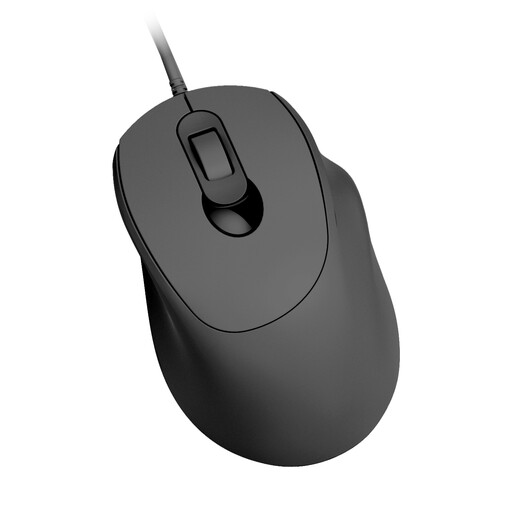
A wired option for repeated filter clicks if your computer has a suitable USB port; the product information identifies quiet left and right buttons. It has four buttons and adjustable 1000, 1200 and 1600 DPI settings, with Windows and Mac compatibility stated in the name. The cable limits placement, and wheel noise is worth checking separately.
 No image available
Consider this receiver-based mouse if you have a compatible available USB port. Its name specifies a 2.4 GHz connection, 1600 DPI and a silent-click claim. Check which buttons that claim covers, and assess wheel noise separately if frequent scrolling could disturb others.
 No image available
This model gives you a choice between Bluetooth and a 2.4 GHz connection for study use. Its name specifies adjustable DPI and one AA battery. Confirm that your computer supports the connection you intend to use, and check which buttons the quiet-click claim covers.
Choose Bluetooth if your computer supports it and you want to keep a USB port free; choose a receiver mouse if you have a compatible spare port and prefer that connection. Neither connection type establishes how quiet the mouse’s buttons are, so check the click claim separately.
Turn on Bluetooth on the Windows computer, put the mouse into its specified pairing mode, then select it from the available devices and follow the prompts. Microsoft Support notes that the Windows device needs Bluetooth to pair with a Bluetooth mouse.
Check whether the exact variant uses replaceable batteries or rechargeable power, and whether the required battery is included. That determines whether you need spare cells or a charging routine during study sessions.
Use an appropriate electrical-waste or battery collection route rather than household rubbish for items marked with the crossed-out-wheelie-bin symbol. GOV.UK advises taking waste electrical products to a suitable collection point or household waste recycling centre; portable batteries can generally be taken to participating shops or supermarkets.