Quiet-study transcript editors
Repeated clicks and scrolling can interrupt recording review or disturb someone nearby. Logitech describes quiet clicks on the MX Master 3S and Lift, while HP describes silent clicks on its 710.


Start with quiet primary clicks and a scroll wheel suited to frequent movement through transcripts. A conventional productivity mouse suits editors who prioritise navigation and shortcuts; a vertical mouse makes more sense when its grip and hand-size fit matter more; and a compact multi-device model suits work across computers. Check software compatibility before relying on programmable buttons.
Repeated clicks and scrolling can interrupt recording review or disturb someone nearby. Logitech describes quiet clicks on the MX Master 3S and Lift, while HP describes silent clicks on its 710.
If a conventional grip feels uncomfortable during extended editing, a vertical shape may be worth considering. Hand-size fit and handedness still need checking for the particular model.
Switching between a transcription computer and another device makes connection methods and device switching important. Logitech lists three-device Bluetooth connectivity for the MX Anywhere 3S, and HP lists switching among three saved devices for its 710.
Choose when: Moving through long transcripts and assigning recurring commands matter more than having a compact shape.
Trade-off: A sculpted body may not suit someone who prefers a smaller or ambidextrous mouse.
Choose when: You prefer a more upright grip during long editing sessions and the model fits your hand.
Trade-off: The grip can take getting used to, and vertical designs do not fit every hand or handedness.
Choose when: You regularly change computers or carry your mouse between workspaces.
Trade-off: A compact body may offer less palm support than a larger sculpted shape.
For editing interview transcripts in a quiet study, decide which need takes priority, then check the controls and compatibility that support it.
| Concern | Buying checks | Who this matters to |
|---|---|---|
| Quiet clicks and scrolling | Check primary-button noise and whether the wheel is also described as quiet; one claim does not cover every control. | When reviewing recordings near other people, I want repeated clicks and scrolling to stay unobtrusive. Around 31% of consumers put quiet operation first. |
| Navigation and shortcuts | Check wheel behaviour for both precise movement and long-document travel, plus software support for any programmable buttons. | If I keep moving between passages and commands, I want fewer repeated actions without losing control of where I land. Navigation and shortcuts come first for around 31% of consumers. |
| Long-session fit | Check the stated hand-size range, grip shape and handedness of the exact model. | During a lengthy edit, I need a shape that fits my hand more than another control or connection option. Around 23% of consumers prioritise long-session fit. |
| Device switching | Check supported connections, receiver and port requirements, and the number of devices the mouse can switch between. | If my recordings and notes sit on different computers, changing devices easily matters more to me than extra desk-based controls. Around 15% of consumers put device switching first. |
Transcript editing also involves frequent scrolling, and a claim about the primary buttons does not establish how the wheel sounds.
Read the descriptions of both controls. Logitech describes quiet scrolling as well as quiet clicks for the MX Master 3S and Lift.
Logitech specifies the Lift for small to medium hands and lists a left-handed option; Kensington describes the Pro Fit Ergo MY630 EQ for small to average-sized hands.
Check the exact variant's hand-size guidance, orientation and applicable return terms before choosing its shape.
Basic pointer connectivity and software-based button customisation can have different compatibility requirements. Kensington lists KensingtonWorks for Windows and macOS but says Windows ARM-based computers are not currently supported.
Confirm support for your operating system, processor and required app before making shortcuts a deciding factor.
A product listing alone does not establish that the exact mouse and orientation you want can be ordered now.
Check the current variant, seller and availability when you are ready to purchase.
The MX Master 3S represents the quiet productivity route, while the Lift offers a vertical shape.
The 710 Rechargeable Silent Mouse represents a compact, ambidextrous route for switching devices.
The Pro Fit Ergo MY630 EQ combines a vertical shape with silent switches and multi-device connections.
These mice offer different ways to set up quiet-study transcript editing, from a productivity-focused shape to wired and wireless silent-click options. Compare wheel behaviour and device compatibility against the work you do most often.
 No image available
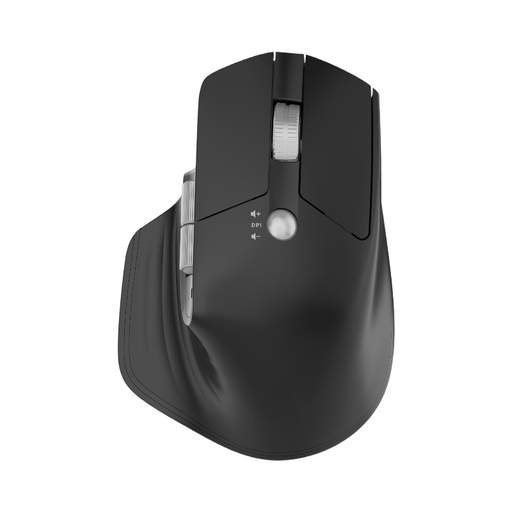
Consider this sculpted mouse if quiet clicks and movement through long transcripts take priority. Logitech describes Quiet Clicks and a MagSpeed wheel for the MX Master 3S; check that any button customisation you need works with your computer.
 No image available
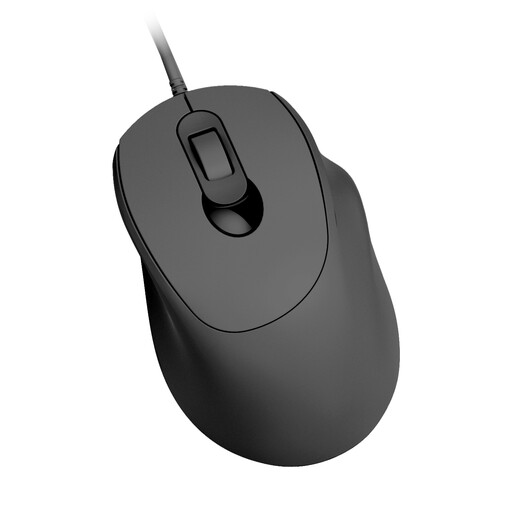
A wired USB option if you prefer a direct connection at a fixed study desk. Its title specifies four buttons, 1000/1200/1600 DPI settings and Windows and Mac compatibility; check wheel noise if frequent scrolling is important.
 No image available
This compact option is relevant if you want quiet clicks and a choice of wireless connection at your study desk. The title specifies 2.4G+BT connectivity and one AA battery; check wheel noise before relying on it for frequent scrolling.
 No image available
A receiver-based silent-click option for a quiet study. The title specifies 2.4 GHz wireless connectivity, a USB receiver, 1600 DPI and Windows and Mac compatibility; check wheel noise for transcript-heavy work.
 No image available
Consider this wireless option if connection choice matters alongside silent-click buttons. Its title specifies Bluetooth/2.4G connectivity and one-touch DPI adjustment; confirm operating-system compatibility and wheel behaviour for your setup.
For most online purchases in the UK, GOV.UK says you can tell the seller you want to cancel within 14 days of receiving the item without giving a reason. Check the applicable return steps before using the mouse extensively; cancellation is separate from remedies for faulty or misdescribed goods.
A faulty or misdescribed mouse is not simply a change-of-mind return. Coventry City Council Trading Standards says goods must be as described, fit for purpose and of satisfactory quality; the available remedy depends on the circumstances, so contact the seller with the fault or discrepancy.
Use an appropriate electrical-equipment recycling or take-back route. GOV.UK identifies the UK waste electrical and electronic equipment framework, and Coventry City Council lists computer mice among electrical items for recycling; check the services available in your area.