What matters when choosing?
For shared-space notes, assess key sound and device fit before deciding how much bag space and typing comfort you can trade off.
| Concern | What to check | Who this matters to |
|---|
| Typing noise |
Look for an explicit quiet-key description, but try the keys if sound is decisive. Logitech describes the Pebble Keys 2 K380s as quiet without giving a comparable sound measurement. |
When I take notes close to other students, I want my typing to be less distracting. Around 33% of consumers put shared-space typing first. |
| Bag space |
Compare the packed dimensions and weight of the exact model; consider whether a cover would protect its keys in transit. |
If I carry a tablet between classes, the keyboard needs to fit easily in my bag. For around 27% of consumers, carrying it takes priority. |
| Device fit |
Check your operating system, Bluetooth requirements, physical key layout and any multi-device switching you need. |
Moving between a laptop, tablet and phone makes reliable pairing and a familiar layout more important to me. Device fit comes first for around 20% of consumers. |
| Longer typing |
Assess key spacing and where the keyboard and screen will sit. For prolonged laptop use, the Health and Safety Executive advises a separate keyboard so the screen can be raised. |
When notes turn into a longer writing session, I need a setup I can keep using comfortably. Around 20% of consumers prioritise sustained typing. |
Portable keyboards on Joybuy
These keyboards offer different approaches to taking notes between study spaces, from compact mechanical layouts to Bluetooth models for portable devices. Check layout and key sound in particular before choosing one for a shared room.
 No image available
AULA F75 75% Wireless Mechanical Keyboard, QWERTY US
Consider its compact layout for moving between study spaces, but assess the keys’ sound before using it near others.
Wired, Bluetooth and 2.4G connection modes; RGB backlighting and PBT keycaps. Check that the QWERTY US layout suits your typing.
Joybuy
 No image available
AULA F99 Wireless Mechanical Keyboard, Light Blue, Reaper Switch
If you take notes on more than one device, check whether its connection options suit the way you switch between them; assess key sound separately for shared rooms.
Wired, Bluetooth and 2.4G connection modes. Its stated QWERTY US layout may differ from the layout you normally use.
Joybuy
 No image available
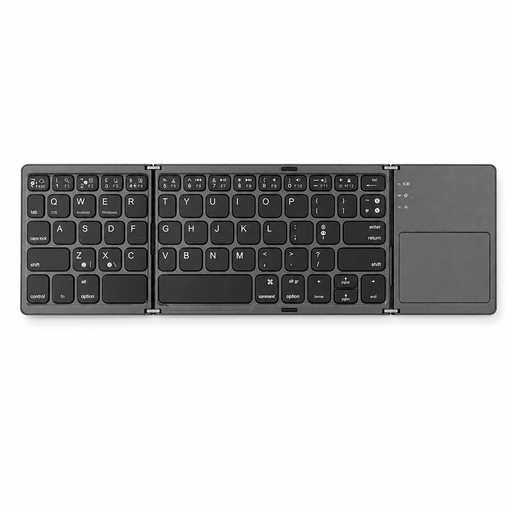
VoxorAI B033 Black Bluetooth Keyboard
For notes taken on a portable device between classes, check its packed size, physical key layout and typing sound before relying on it in a shared workspace.
Bluetooth connectivity.
Joybuy
 No image available
VoxorAI BOX1 Black Bluetooth Keyboard
If carrying a keyboard between lectures is your priority, compare its packed size and key feel with the space available in your bag and at your desk.
Bluetooth connectivity. Confirm the physical layout and typing sound for shared-space notes.
Joybuy
 No image available
Hyper® HyperSpace Next Bluetooth Keyboard (UK), White
If a UK-labelled keyboard appeals for lecture notes, compare its dimensions with your bag and check how its keys sound in the space where you study.
Bluetooth connectivity; UK-labelled variant.
Joybuy
Common questions
Will a keyboard described as quiet be silent in a lecture?
No: a quiet-key description does not guarantee silence. Logitech describes the Pebble Keys 2 K380s as having quiet, low-profile keys, so use that claim to narrow your choices and try the keys if noise around other students is decisive.
What should I check before pairing a keyboard with my lecture device?
Check the device’s operating system and Bluetooth capability against the exact keyboard model, then confirm its physical key layout. For example, Microsoft specifies Windows 10 or 11 and Bluetooth 4.0 or later for the Designer Compact Keyboard; Apple lists device and software requirements for its Magic Keyboard (USB-C).
How should I use a separate keyboard for longer laptop sessions?
Position it as part of the whole laptop setup, rather than choosing by size alone. For prolonged laptop work, the Health and Safety Executive advises a separate keyboard and mouse so the screen can be raised, and recommends keeping the keyboard just below elbow height.
What should I do with an old keyboard when replacing it?
Check the electrical-equipment collection options offered by your retailer or local authority. GOV.UK describes the UK Waste Electrical and Electronic Equipment regulations as a framework for recovery, reuse and recycling, with its guidance addressing responsibilities including those of producers and distributors.


