What matters when choosing
For a quiet-study calendar workflow, establish whether silence or a required operating system takes precedence. Then compare the screen you will work on and the space the laptop will occupy.
15-inch MacBook Air M5
Choose when: Cooling noise is your overriding concern and your design tools work on macOS; Notebookcheck identifies passive, fanless cooling on the tested 15-inch M5 model.
Accept: The reviewed model has soldered memory and storage and two Thunderbolt 4 USB-C ports, so choose its capacity and check your connections before purchase.
Surface Laptop
Choose when: Your workflow calls for Windows or touch input; check the ports on the particular size you select.
Accept: On a Snapdragon-based model, required apps and drivers need checking. Microsoft says Surface fan noise can rise with workload, charging or warmer conditions.
Yoga Slim 7 Gen 10 14-inch AMD
Choose when: You want to assess a compact Windows configuration with the 14-inch OLED panel and 100% DCI-P3 coverage listed by Lenovo.
Accept: The listed panel has a glare finish. Confirm the exact configuration and seek model-specific noise evidence if silence is essential.
| Concern |
What to check |
Who this matters to |
| Study noise |
Look for passive-cooling or acoustic evidence for the exact model; do not equate a thin case with silent operation. |
I need to concentrate on calendar layouts without cooling noise interrupting me. Around 37% of consumers put a quiet study first. |
| Software and accessories |
Check your design app, plug-ins and peripheral drivers against the operating system and processor architecture. |
If my existing tools or printer will not work, a new screen will not rescue the workflow. Compatibility is the primary concern for around 27% of consumers. |
| Screen and colour |
Compare the exact panel’s size, resolution, colour coverage and finish; ask your print supplier about its colour workflow if you print calendars. |
Small dates must stay legible, and photographs and brand colours need careful review. Around 27% of consumers chiefly prioritise the viewing and colour setup. |
| Workspace and portability |
Check the model’s dimensions, weight, ports and external-display support against your desk and travel needs. |
I move between the study and events, so carrying the laptop matters as much as fitting it on my desk. That balance comes first for around 9% of consumers. |
Joybuy laptop choices
These laptops offer different starting points for event-calendar work: a fanless 15-inch macOS model, larger-screen Windows options and touchscreen or compact Windows configurations. Check the exact applications and noise requirements that matter to you before choosing.
 No image available
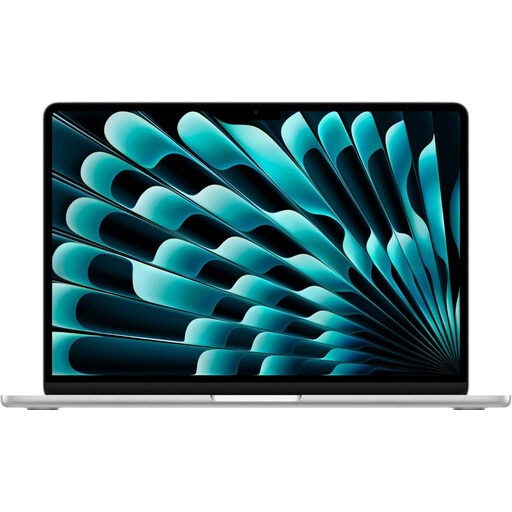
Apple MacBook Air 15-inch M5, 16GB, 1TB SSD, Silver
Consider this model if cooling noise is your main concern and your calendar-design tools work on macOS; Notebookcheck identifies fanless cooling on the 15-inch M5 MacBook Air.
This listed variant has a 10-core CPU, 10-core GPU, 16GB memory and a 1TB SSD. Notebookcheck describes soldered memory and storage on the reviewed model, so choose capacity with your project archive in mind.
View on Joybuy
 No image available
ASUS Vivobook 15 X1504VA, Core 5 120U, 24GB, 1TB SSD
Consider this 15.6-inch laptop if you want a larger built-in screen for arranging calendar pages. If study noise is decisive, check acoustic evidence for this exact model before ordering.
The listed variant has an Intel Core 5 120U processor, 24GB memory and a 1TB SSD.
View on Joybuy
 No image available
HP OmniBook X Flip 16-as0004na, 16-inch, 16GB, 512GB SSD
Consider this 2-in-1 if a large touchscreen suits the way you review and arrange layouts. Check model-specific noise information if you need an especially quiet study setup.
The listed variant has an Intel Core Ultra 5 226V processor, 16GB memory, a 512GB SSD and Windows 11 Home.
View on Joybuy
 No image available
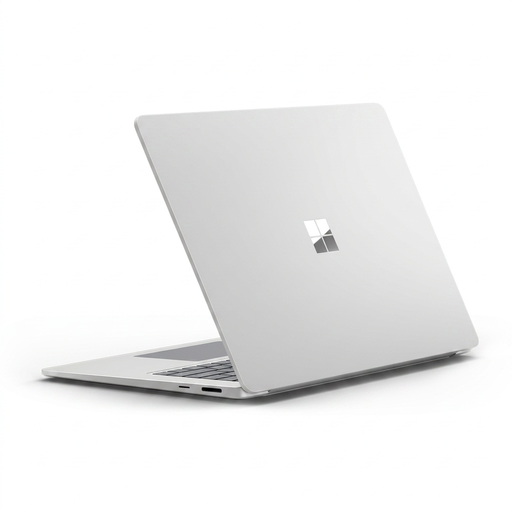
Microsoft Surface Laptop 7 15-inch, Snapdragon X Elite, 16GB, 256GB SSD
Consider this touchscreen model for a Windows-led calendar workflow, provided your required applications and peripherals work on ARM-based Windows. Microsoft says Surface fan behaviour can vary with operating conditions.
The listed variant has a PixelSense touchscreen, 16GB memory and a 256GB SSD; check whether that storage capacity fits your project archive.
View on Joybuy
 No image available
ASUS Vivobook 14 X1407QA-LY003W, Snapdragon X, 16GB, 512GB SSD
Consider this 14-inch option if a more compact Windows laptop fits your desk or travel routine. Check your applications and driver-dependent accessories for ARM compatibility, and seek model-specific noise information if silence matters.
The listed variant has a Snapdragon X processor, 16GB memory and a 512GB SSD. Its Quiet Blue colour name is not evidence of quiet cooling.
View on Joybuy
Frequently asked questions
Do I need a high-powered laptop to design an event calendar?
Not necessarily for a simple calendar made in Canva: Canva’s published desktop-app requirements are modest and do not, by themselves, call for a high-end graphics laptop. If you work with other design software, large files or several apps at once, check those applications’ current requirements before choosing memory and storage.
Is a MacBook Air my only option for a quiet study?
No, but the 15-inch MacBook Air M5 has a specific silence-related advantage here: Notebookcheck identifies fanless cooling on the tested model. Microsoft says Surface fan speed can rise with workload, charging or warmer conditions, so check acoustic evidence for any alternative whose noise level is central to your decision.
Will my design tools work on a Snapdragon-based Surface Laptop?
They may, but check each tool and peripheral you rely on before buying. Microsoft says most apps run smoothly on ARM-based Windows PCs and that x64 emulation broadens compatibility; specialist plug-ins and devices needing particular drivers still warrant a publisher or manufacturer check.
Can I make an actively cooled Surface quieter while working?
Microsoft says its Recommended power mode helps limit Surface fan speed, but it does not make an actively cooled laptop fanless. Expect fan behaviour to depend on workload, charging and ambient temperature, and keep the laptop’s ventilation unobstructed.


