Quotation-heavy number entry workers
If you repeatedly enter prices, quantities, discounts and reference numbers, a numeric keypad and familiar key placement may matter more to you than extra connection modes.


For frequent quotation entry, start with a familiar layout and a numeric keypad; consider a split design if comfort during long sessions matters more than keeping a conventional key arrangement. Multi-device switching is useful when you work across separate computers or other devices, not simply because one computer drives two screens. Whichever keyboard you choose, its position needs to work with the rest of the desk setup.
If you repeatedly enter prices, quantities, discounts and reference numbers, a numeric keypad and familiar key placement may matter more to you than extra connection modes.
If the screens belong to separate computers, or you also use a tablet or laptop, check whether one keyboard can switch between the devices you actually use.
If extended desk work makes comfort a priority, consider keyboard shape and placement together with your screens, chair and desk. The Health and Safety Executive advises keeping the screen and keyboard central to avoid twisting your back.
Consider it: When repeated number entry and familiar navigation keys are central to preparing quotations.
Allow for: A full-size board needs desk space, and its conventional shape does not offer a split key arrangement.
Consider it: When you want to try a different hand position during long typing sessions while retaining a numeric keypad.
Allow for: A split layout may take time to get used to and cannot replace attention to the whole workstation.
Consider it: When a UK-ISO layout and a choice of connection methods matter more than a slim office-keyboard format.
Allow for: Check the exact switch variant, its sound and the space available on your desk.
| Concern | What to check | Who this matters to |
|---|---|---|
| Number and document entry | Check for a numeric keypad and the physical key layout you use for quotations. | If prices, quantities and references fill much of my day, I want number entry to feel familiar rather than adapting to a compact layout. Around 42% of consumers put this entry need first. |
| Comfort at the desk | Check keyboard position against screen placement and elbow height; consider whether you would adapt to a split layout. | During long quotation sessions, I need a keyboard position that works with my whole workstation, not just a different keyboard shape. For around 33% of consumers, that fit is the primary concern. |
| Separate-device switching | Establish whether the screens use one computer or two, then check switching and connection methods if needed. | If I prepare quotations across separate computers, I want to change keyboard control without repeatedly pairing it. Making that switch is the leading need for around 25% of consumers. |
Two monitors may both be connected to one computer. In that setup, switching between saved devices does not address a quotation-entry need.
Check which computer drives each screen and whether you regularly move to another computer, tablet or phone.
A compact keyboard can leave you without the integrated number pad you want for repeated prices and quantities.
Look at the fields you enter most often and decide whether a built-in keypad is important before settling on a layout.
If you later need a number pad, a separate keypad also needs space and a suitable connection.
Keyboard shape does not address screen, chair or desk position on its own. The Health and Safety Executive advises considering the whole workstation and keeping the screen and keyboard central.
Check where the keyboard sits in relation to your elbows and displays; use a workplace display-screen-equipment assessment where applicable.
UK-ISO, US QWERTY and British English Mac-focused versions are different choices for daily input.
Check the exact variant's key layout, connection method and supported operating systems, as well as any shortcuts your quotation software requires.
Its MX Keys S and ERGO K860 illustrate conventional multi-device and split-keyboard approaches to desk work.
The HP 975 is a conventional full-width wireless option for a desk where configurable shortcuts may be useful.
The Q6 Max UK-ISO is a full-size mechanical route for buyers who want a choice of wired and wireless connections.
The British English Magic Keyboard with Numeric Keypad is an extended-layout option for a compatible Mac-focused desk.
These keyboards offer different layouts and connection choices to consider for quotation work. Check the exact variant against your number-entry needs and whether your two screens use one computer or separate devices.
 Image unavailable
Consider this for a desk where a full-size UK keyboard is the starting point for quotation entry. The title identifies a wireless model; if you need to control separate devices, check its switching arrangements against your setup.
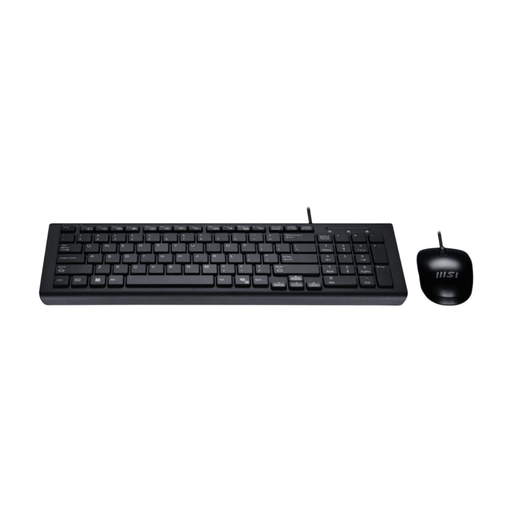 Image unavailable
Consider this set for a fixed quotation desk where a USB keyboard and mouse suit your computer. Its title specifies a UK layout and Copilot key; check the physical keys you need and whether that extra key is useful in your operating system and workflow.
 Image unavailable
Consider this 96-format model if you want a UK-layout keyboard rather than a conventional full-width office board. Check the exact key arrangement for quotation entry and confirm the fitted switch option before choosing it for a shared or quiet desk.
 Image unavailable
Consider this only if US QWERTY key placement suits your quotation work. Its title lists wired, Bluetooth and 2.4G connection modes, but names a Reaper switch while other variant information names LEOBOG Greywood V3; confirm the fitted switch before ordering.
No: two screens can run from one computer, so device switching is useful only if you also move between separate computers or other devices. Logitech describes Easy-Switch as a way to pair and switch among up to three devices, not as a requirement for dual monitors.
A numeric keypad is worth considering if you repeatedly enter prices, quantities or discounts. Check the exact key arrangement rather than assuming a keyboard's size or product category gives you the keypad you want.
Position the keyboard in relation to the screen you use for most of the work, rather than twisting your back to type. The Health and Safety Executive advises keeping the screen and keyboard central and placing the keyboard just below elbow height.
No. A split design changes the keyboard layout, but it does not assess your screens, furniture or working conditions. The Health and Safety Executive says a display-screen-equipment assessment should consider the whole workstation; bring up discomfort through your workplace assessment process where applicable.