
24/7 Customer Support

Free returns

Same-day & Next-day Delivery

Quality Guaranteed

Unlock Your Welcome Offers: FREE Delivery | Up to 80% OFF | Free 30-day JoyPlus trial
Download the APP
As pet owners, we want to ensure our furry companions are comfortable, healthy and happy, especially during mealtimes. If you've noticed your pet straining their neck, eating too quickly, or frequently regurgitating their food, their bowl could be part of the problem. A simple switch to a raised pet bowl can often make a significant difference to their dining posture and digestive comfort.
Navigating the options can be confusing. From an adjustable pet feeding station to a simple tilted cat bowl, the choices are vast. This guide is designed to help you understand the key features to look for and to present some practical recommendations, helping you find a feeding solution that suits both your pet and your home.
Before looking at specific products, consider these key factors. A little thought now can ensure you pick a bowl that your pet will use comfortably for years to come.
The primary purpose of an elevated dog bowl or cat bowl is to create a more natural eating posture.
The material of your pet's bowl affects its durability, hygiene and style.
Some bowls are designed to solve particular problems. If your pet eats too quickly, which can lead to bloating and indigestion, a slow feeder bowl with built-in obstacles can encourage them to eat at a healthier pace.
Here are a few options from our collection that address the common needs of UK pet owners.
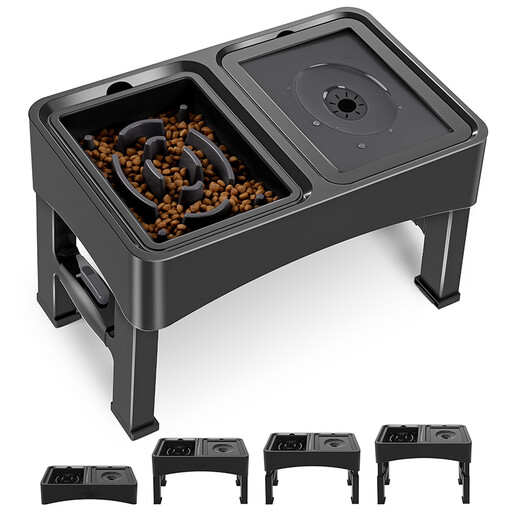
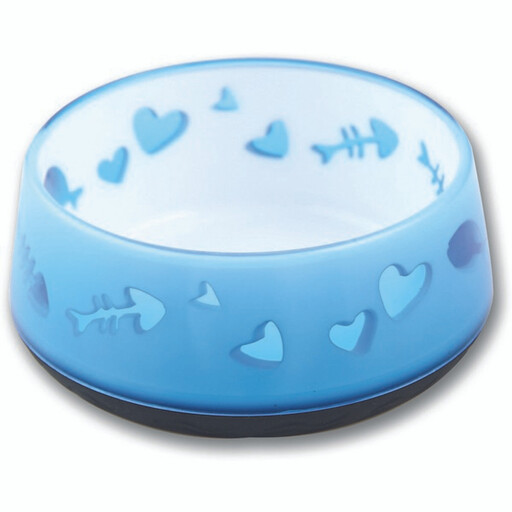
If you're searching for the perfect bowl for a new arrival or have a specific need not covered here, there are many other styles to consider.
Explore our wider selection of [kitten bowls] and other feeding solutions to find the perfect fit for your companion.
1. Are raised pet bowls better for all dogs and cats? While many pets benefit, they are not a universal solution. An elevated dog bowl is often recommended for large breeds, senior dogs or those with arthritis to reduce strain on their neck and joints. For cats, a tilted cat bowl can aid digestion. However, for some deep-chested dog breeds, there are differing opinions on whether raised bowls can be a factor in certain health conditions. It's always a good idea to observe your pet's comfort and consult a vet if you have specific health concerns.
2. What is the correct height for a raised pet bowl? A good starting point is to measure your standing pet from the floor to their elbow. The feeder's height should be around this measurement. Your pet should be able to eat without lowering or stretching their neck excessively. An adjustable pet feeding station allows you to experiment to find the most comfortable height.
3. Can a raised bowl help a cat that vomits after eating? For some cats, vomiting is caused by eating too quickly or by the angle of their oesophagus when eating from a floor-level bowl. A raised or tilted bowl can help by using gravity to guide food down more smoothly. A slow feeder bowl can also help by preventing them from gulping air along with their food. If vomiting is frequent or severe, it is essential to seek advice from a veterinarian to rule out underlying medical issues.