
24/7 Customer Support

Free returns

Same-day & Next-day Delivery

Quality Guaranteed

Unlock Your Welcome Offers: FREE Delivery | Up to 80% OFF | Free 30-day JoyPlus trial
Download the APP
A reliable electric kettle is the heart of the British kitchen, but finding the right one can be surprisingly tricky. The market is flooded with models all claiming to be the fastest and most stylish. A rapid boil kettle promises to save you precious minutes, but not all are created equal. Before you invest, it’s important to understand the common pitfalls that can lead to a disappointing purchase.
As a Joybuy Product Recommendation Officer, my role is to help you see past the marketing jargon. Here are the key issues UK shoppers often face and how to avoid them.
designer kettle models look stunning on the countertop but fail in daily use. Common complaints include handles that get uncomfortably hot, spouts that dribble water everywhere and lids that are awkward to open, especially when the kettle is hot. A beautiful appliance that is frustrating to use is not a good investment.To choose a fast boil kettle that will serve you well for years, focus on these core parameters instead of just the marketing claims.
The two key numbers to check are the power rating (in kilowatts, kW) and the capacity (in litres, L).
travel kettle might be more appropriate.The material of your electric kettle affects its durability, weight and how hot the exterior gets.
stainless steel kettle is durable, easy to clean and won't impart any plastic taste to the water. The main drawback is that the outer casing can become very hot to the touch.Based on these practical criteria, here are a few models that align with different needs and preferences.
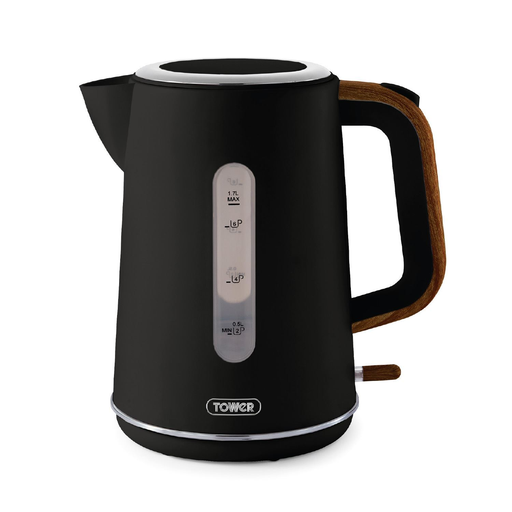
Why This Fits Their Persona: This kettle's minimalist Scandinavian design, combining a sleek black kettle body with wood-effect accents, makes it a statement piece for modern kitchens. It's for those who see their appliances as part of their home's overall aesthetic.
It avoids the "style over substance" trap by pairing its distinctive look with a powerful 3kW rapid boil element and a removable limescale filter, ensuring performance matches its appearance.
Its key advantage is the blend of on-trend design with practical features. The 1.7L capacity is ideal for hosting, and the fast boil means less waiting time.
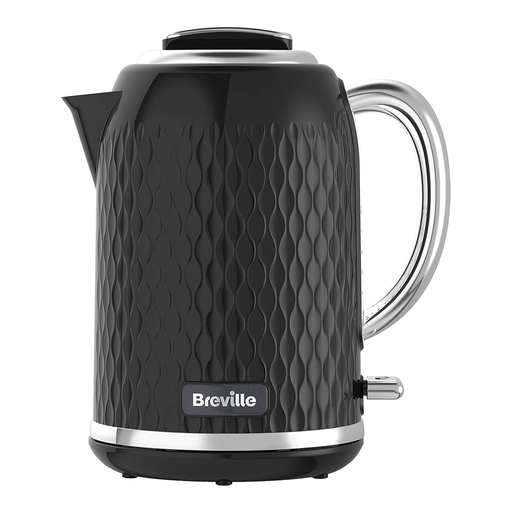
Why This Fits Their Persona: For a busy household, speed and capacity are paramount. This Breville kettle offers a generous 1.7L capacity to handle the morning tea and coffee rush, while its 3kW fast boil element gets the job done quickly.
It directly counters the "limescale menace" with an easily removable and washable filter. The clear water window also helps avoid the energy trap of boiling more water than necessary.
This is a practical workhorse. Its combination of large capacity, genuine rapid boil performance and essential maintenance features makes it a reliable choice for daily, heavy use.
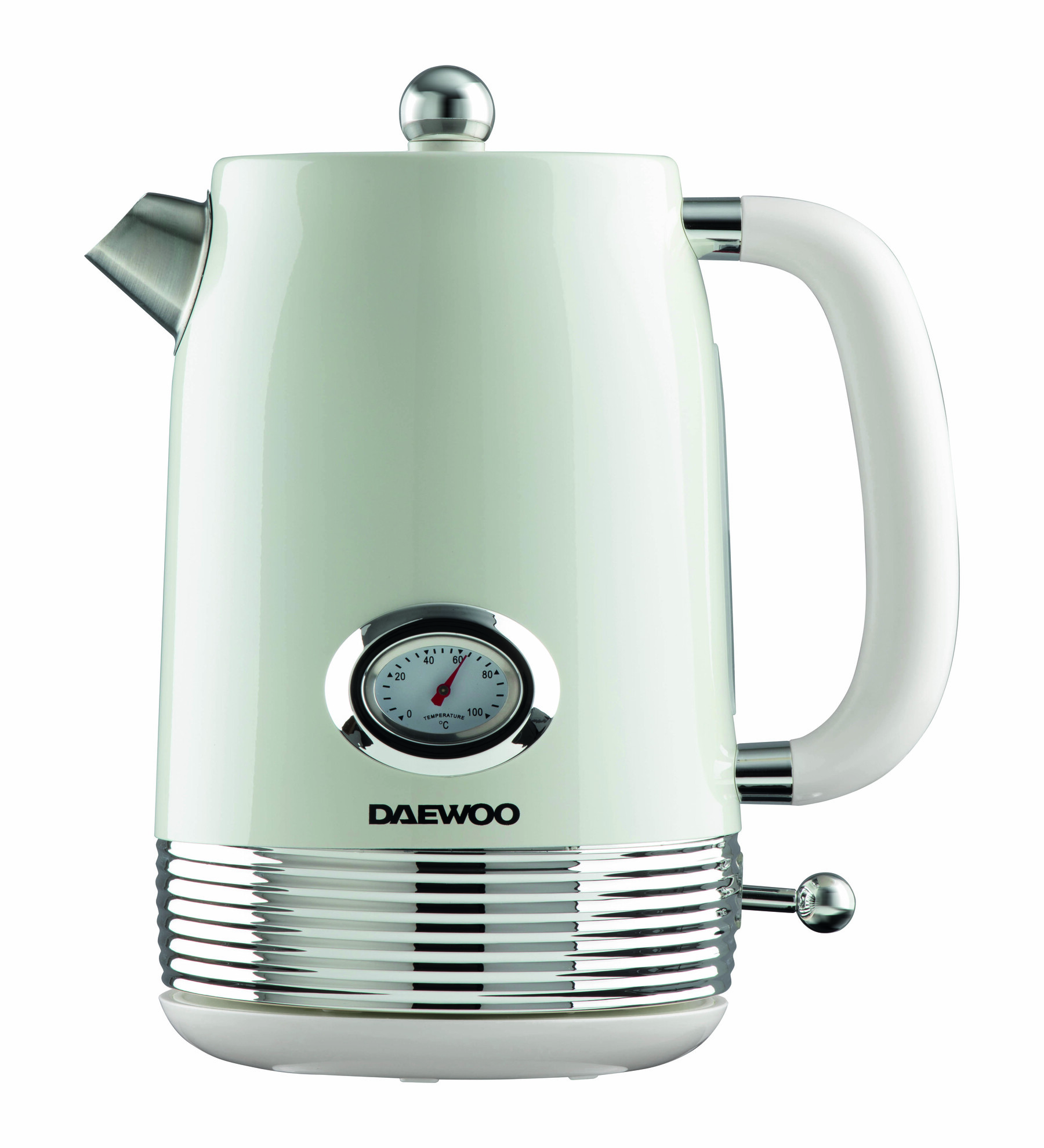
Why This Fits Their Persona: For those curating a vintage-inspired kitchen, this retro kettle is a perfect fit. The Buttermilk (cream kettle) finish and classic shape evoke a nostalgic feel, and it's often available as part of a matching kettle and toaster set.
This model successfully avoids the "style over substance" pitfall by integrating modern technology. It features rapid boil capability, a concealed heating element for easier cleaning and essential auto shut-off safety features.
Its main advantage is delivering a specific vintage aesthetic without forcing you to compromise on the speed and safety you expect from a modern appliance. The 1.5L capacity is ample for most daily needs.
We have compiled a complete, real-time list of products that fully satisfy these strict selection criteria and UK safety regulations.
A 3kW rapid boil kettle uses more electricity per minute than a lower-wattage model. However, because it runs for a much shorter period, the cost to boil the same amount of water is very similar. The most effective way to save on your energy bill is to only boil the exact amount of water you need for your drink. Using a kettle with a clear water level indicator helps you do this accurately.
This depends heavily on the water hardness in your area. In soft water areas, you may only need to descale every few months. In hard water areas, it's a good practice to descale your kettle every four to six weeks to maintain its efficiency and prevent limescale build-up. A quick search for your local water board's website can tell you how hard your water is.
Neither is definitively "better" as it comes down to personal preference. A stainless steel kettle offers excellent durability and ensures no taste is transferred to the water, but the exterior can get very hot. A good quality plastic kettle is lighter, cooler to the touch and can be more affordable. The most important factor for either material is ensuring it has the core features: a good filter, a non-drip spout and reliable safety functions.