
24/7 Customer Support

Free returns

Same-day & Next-day Delivery

Quality Guaranteed

Unlock Your Welcome Offers: FREE Delivery | Up to 80% OFF | Free 30-day JoyPlus trial
Download the APP
Whether you're a seasoned tradesperson fitting out a commercial space or a DIY enthusiast hanging a new shelf at home, one small component holds your entire project together: the wall fixing. Choosing the correct one can feel daunting. The sheer variety of rawl plugs and anchors can be confusing, and using the wrong one can lead to a loose fixture or, worse, damage to your wall.
This guide is designed to cut through the clutter. We will walk you through the key considerations for selecting the right wall fixings for your specific task, from understanding wall types to matching the fixing to the weight it needs to support. We will also share our top recommendations to help you secure everything from a lightweight picture frame to a heavy radiator with confidence.
Before you drill, taking a moment to assess your needs will ensure a secure and lasting result. Here are the three most important factors to consider.
The first step is to identify what your wall is made of. UK homes feature a mix of wall types, and each requires a different kind of fixing.
red wall plugs, which expand to grip the sides of the drilled hole. These are excellent fixings for brick walls.plasterboard fixings or cavity wall fixings that are designed to open up and brace against the back of the board.spring toggles that can bridge the gap and spread the load.The weight of the item you're hanging is critical. Fixings are rated for different load capacities.
plasterboard fixings are usually sufficient.Rawlplug UNO plugs in solid walls or a reliable cavity fixing in plasterboard.heavy duty wall anchors. These are engineered to distribute weight effectively and provide maximum security. In cavity walls, this means using fixings like Intersets or heavy-duty toggles.Different plugs work in different ways. Knowing the basics helps you choose wisely.
Spring toggles and gravity toggles feature a bar on a screw that folds to go through the hole and then springs open inside the cavity. Tightening the screw pulls the bar flush against the inside of the wall, spreading the load over a very wide area.Based on versatility, performance and user feedback, here are our recommendations for three common fixing scenarios.
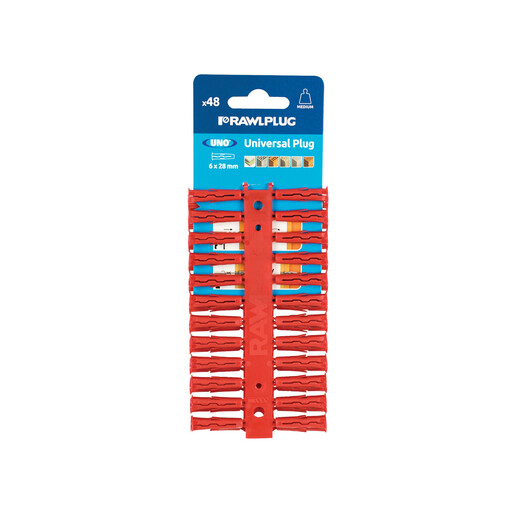
Rawlplug UNO plugs are a true all-rounder. Their unique design allows them to function effectively in almost any material, from solid brick and concrete to hollow plasterboard. In solid walls, they expand for a tight grip. In cavity walls, the plug's body compresses to form a secure knot behind the board. This versatility makes them an essential item for any toolbox.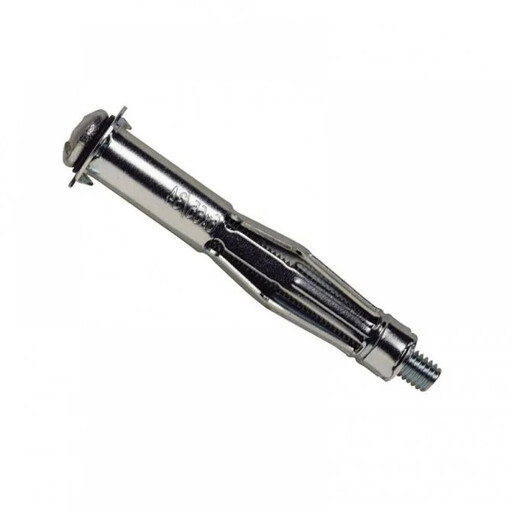
cavity wall fixing that creates a strong anchor point. Its all-metal construction expands behind the board to distribute the load, making it ideal for securing radiators, kitchen cabinets and other heavy items. A key feature is that the screw can be removed and reinserted without the anchor falling into the wall cavity.heavy duty wall anchors in plasterboard, such as kitchen fitters, plumbers or homeowners mounting heavy fixtures.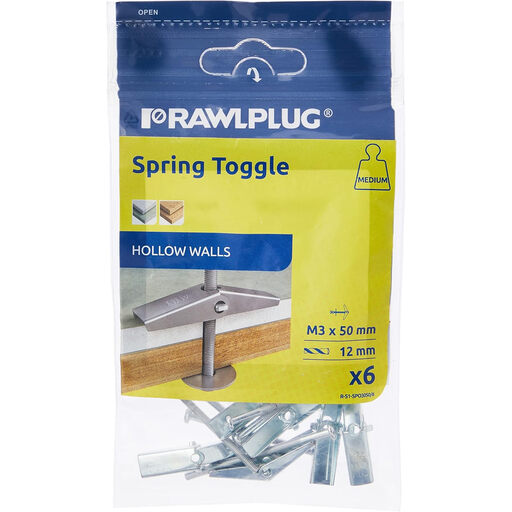
spring toggles are an excellent choice. The spring-loaded wings fold to pass through the drilled hole and then open up inside the cavity. When you tighten the screw, the wings pull tight against the inside surface, spreading the load over a very wide area. This makes them exceptionally secure in materials that might otherwise crumble under pressure.The world of fixings is vast, and every project has unique demands. If the recommendations above don't match your specific needs, you can browse our extensive selection of other hardware and project supplies. Explore our full range of wall fixings and anchors to find the perfect solution for your job.
1. Can I use red wall plugs in plasterboard? Yes, versatile red wall plugs like the Rawlplug UNO are designed for use in plasterboard. They are engineered to form a knot behind the board, creating a secure fixing for light to medium loads. For heavier items like large cabinets or TVs, it is advisable to use a dedicated cavity wall fixing like an Interset or toggle for greater peace of mind.
2. What is the difference between a wall plug and a wall anchor? While the terms are often used interchangeably, 'wall plug' typically refers to the smaller, often plastic, inserts used with screws in solid walls. 'Wall anchor' is a broader term that encompasses a wider variety of wall fixings, including the more complex metal heavy duty wall anchors and cavity wall fixings designed for specific materials and significant loads.
3. How do I know what size drill bit to use for a rawl plug? The required drill bit size is almost always indicated on the plug itself or its packaging. For example, a 6mm plug requires a 6mm drill bit. Using the correct size is crucial; a hole that is too small will damage the plug upon insertion, while a hole that is too large will prevent the plug from gripping securely.