Families short on preparation time
Ready-made pancakes can be served straight from the pack or warmed, depending on the product. Check the pack count and storage instructions alongside the ingredients before planning several snacks from one pack.


Choose ready-made pancakes when a quick snack with little preparation matters most, but check the serving, ingredients and storage instructions for the particular pack. If you want a white-and-wholemeal flour blend, making the batter at home lets you control the mix; University Hospitals Birmingham suggests replacing half the white flour in suitable recipes with wholemeal flour to increase fibre.
Ready-made pancakes can be served straight from the pack or warmed, depending on the product. Check the pack count and storage instructions alongside the ingredients before planning several snacks from one pack.
Home-made batter gives you control over how much of each flour goes in. University Hospitals Birmingham suggests replacing half the white flour in suitable recipes with wholemeal flour as a way to increase fibre.
A gluten-free label does not answer every allergy question. Check the current ingredients and allergen information for the particular pancake, including egg, milk or soya where relevant.
Decide whether you need a pancake to serve quickly, a flour blend you can control or a product meeting a specific dietary requirement. Then compare the details of the pack you intend to use.
| Priority | What to check | Your needs |
|---|---|---|
| Preparation | Check whether the pancakes are ready to eat, need warming or must be cooked. Match the pack count to the servings you have planned. | I need a snack I can serve quickly, without making batter each time. |
| Flour and fibre | For a home-made blend, University Hospitals Birmingham suggests replacing half the white flour in suitable recipes with wholemeal flour. For packaged pancakes, compare declared fibre figures on the same basis, such as per 100g. | A mix of white and wholemeal flour matters to me, so I want to choose the flour rather than judge a pancake by its colour. |
| Ingredients and allergens | Read the current ingredients and allergen information. If gluten avoidance is required, check the specific gluten-free statement and any other allergens that matter to your household. | Someone eating the pancakes needs me to check more than the flavour or a single free-from claim. |
| Serving and toppings | Compare the stated serving size and nutrition figures before adding toppings. The NHS advises checking packaging and nutrition labels for packaged children’s snacks. | I want to decide what goes alongside the pancakes rather than assume a sweet topping is part of every serving. |
| Storage | Check the instructions for keeping an unopened pack, using it after opening and freezing it, if permitted. Sainsbury’s Scotch Pancakes x6 specify use within one day of opening; M&S 4 Buttermilk Pancakes specify two days. | If I am buying for several days of half term, the pack needs to fit our snack plans after it is opened. |
A darker-looking pancake does not tell you its flour mix or fibre content. Nutrition figures also need a common basis: Sainsbury’s lists 0.5g fibre per Scotch pancake, while M&S lists 1.8g per 100g for its buttermilk pancakes.
Make a white-and-wholemeal batter if that blend is the aim. When choosing packaged pancakes, use the ingredients list and compare fibre per 100g where both packs provide it.
Jam, honey and dessert toppings change what is in the finished serving. The NHS recommends fruit and vegetables as a snack choice for children and advises checking nutrition labels on packaged snacks.
Decide on the serving and toppings together; fruit is one option to consider rather than automatically adding a sweet sauce.
The checked ready-made products contain different combinations of wheat, milk, egg and soya, and product information can change.
Read the current pack’s ingredients, allergen information and relevant precautionary statements. Ask the retailer or manufacturer if anything is unclear.
After-opening instructions differ: Sainsbury’s Scotch Pancakes x6 specify one day, while M&S 4 Buttermilk Pancakes specify two days.
Plan the number of servings before opening a pack, and freeze pancakes only when that product’s instructions allow it.
Its Scotch Pancakes x6 are a ready-made option with per-pancake nutrition and warming instructions on the product listing.
The Waitrose & Partners pancake listing includes Essential Scotch pancakes, buttermilk pancakes and a Genius gluten-free option.
Its 4 Buttermilk Pancakes are a ready-made option for a warm serving.
Warburtons describes its 6 Pancakes as suitable for eating cold or lightly warmed.
Genius Scotch Pancakes are labelled gluten free, made without wheat and suitable for coeliacs on the checked Sainsbury’s listing.
These are filled Korean-style pancakes and a Japanese dorayaki for a sweet snack, rather than plain Scotch pancakes or a white-and-wholemeal flour blend. Check the format and preparation instructions before choosing one for half term.
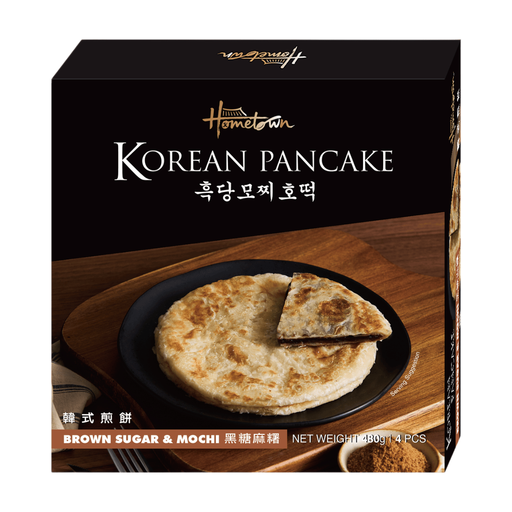 No image available
A filled option if you are planning a warm, sweet snack rather than a plain pancake. It contains wheat; check the full allergen list, and follow the frozen-storage and cooking instructions before serving.
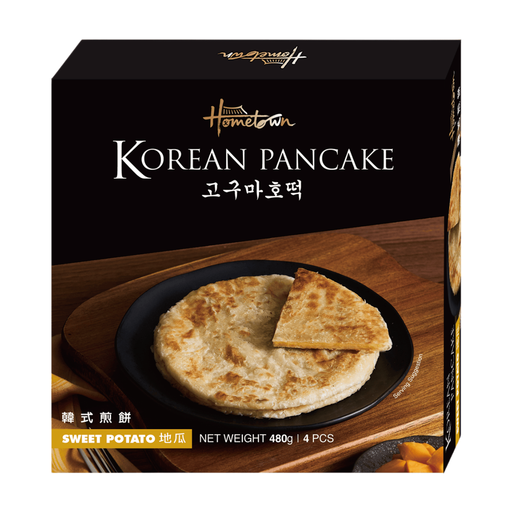 No image available
A sweet-potato-filled option for a cooked, warm snack. It contains wheat and soya; check the full allergen list and allow for the pack’s frozen-storage and cooking directions.
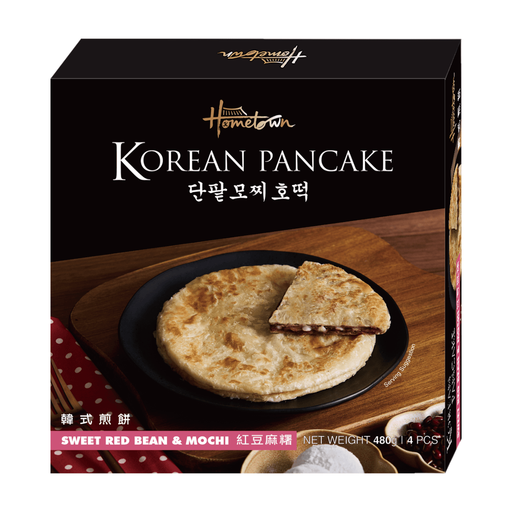 No image available
The red bean and mochi filling makes this a different choice from an unfilled Scotch pancake. For a warm snack, follow the frozen product’s cooking directions; it contains wheat, so check the full allergen list.
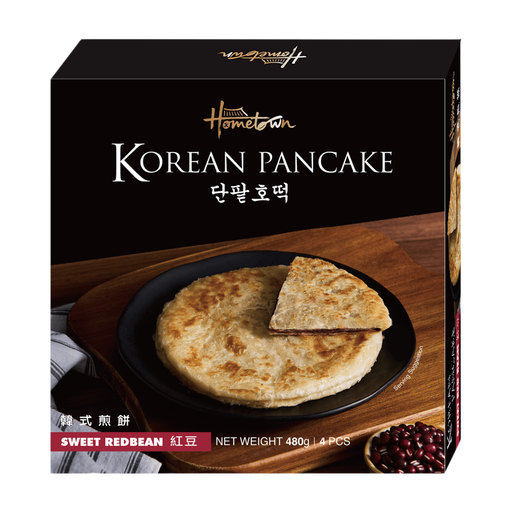 No image available
This red-bean-filled variant is for a cooked, sweet snack. Store and prepare it according to the frozen pack’s directions, and check its full ingredient list if wheat or another allergen matters to your household.
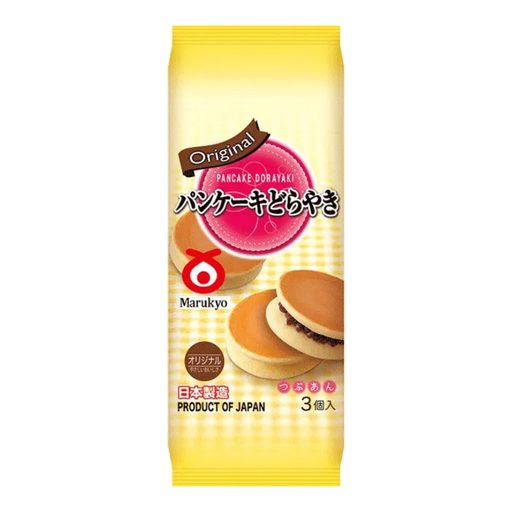 No image available
A ready-to-eat filled pancake snack when cooking is not part of the plan. Check the serving and sugar figures on the pack; the listed allergens include wheat, egg, soya and milk, with a possible-nuts warning to check as well.
Make the batter at home so you can choose the flour mix. University Hospitals Birmingham suggests replacing half the white flour in suitable recipes with wholemeal flour to increase fibre; try a small batch if the resulting flavour and texture are new to your household.
Choose a serving and toppings together, then check the packaged pancake’s nutrition and ingredients. The NHS recommends fruit and vegetables as a snack choice for children and advises checking packaging and nutrition labels on packaged snacks.
The ingredients differ by product. The checked Sainsbury’s Scotch Pancakes contain wheat, milk and egg; Warburtons 6 Pancakes contain wheat, milk, soya and egg; and M&S 4 Buttermilk Pancakes contain wheat, buttermilk and egg. Read the current pack before serving.
No. The checked Genius Scotch Pancakes are labelled gluten free and made without wheat, but they contain egg. Check every allergen relevant to the person eating them, not just the gluten-free statement.
Follow the instructions for the exact product. M&S says its 4 Buttermilk Pancakes are suitable for freezing and specifies use within one month after freezing. Sainsbury’s gives different freezing instructions for its Scotch Pancakes x6, including freezing within the best-before date and using them within three months.