
24/7 Customer Support

Free returns

Same-day & Next-day Delivery

Quality Guaranteed

Unlock Your Welcome Offers: FREE Delivery | Up to 80% OFF | Free 30-day JoyPlus trial
Download the APP
A warming bowl of soup can be a comforting meal, a quick lunch or a flavourful starter. When you decide to buy soup online, the sheer variety can be overwhelming. From classic canned soup to exotic noodle soup sachets, the digital shelves are packed with options. However, not all ready made soup is created equal. Many shoppers find themselves disappointed by products that don't live up to their packaging promises.
As a Joybuy Product Recommendation Officer, my role is to help you navigate the market. We'll look at the common pitfalls to avoid and the key factors to check, ensuring you choose a soup that genuinely suits your taste, budget and lifestyle.
Convenience shouldn't mean compromise. Yet, many consumers fall into a few common traps when stocking their pantries. Being aware of them is the first step to making a better choice.
To avoid these pitfalls, a quick check of the packaging details is essential. Here are the non-negotiable factors to analyse before you buy.
Don't just glance at the calories. The most important figures for ready made soup are salt and sugar content. Always compare these values per 100g, not per serving, as manufacturers' definitions of a 'serving' can vary wildly. A lower figure per 100g indicates a more balanced product overall. For those seeking a genuinely healthy option, look for soups where salt is below 0.8g per 100g and sugars are minimal, especially in savoury options like vegetable soup.
Ingredients are listed by weight, from highest to lowest. For a quality chunky soup, you want to see vegetables, meat or pulses listed before water or stock, or at least very high up the list. When looking for an organic soup or vegan soup, check for certifications and ensure there are no hidden animal-derived ingredients like milk proteins or certain flavourings. For international options like noodle soup, look for real spices and pastes rather than just "flavouring".
The format impacts convenience, texture and taste.
Based on these criteria, here are a few recommendations tailored to different needs and preferences.
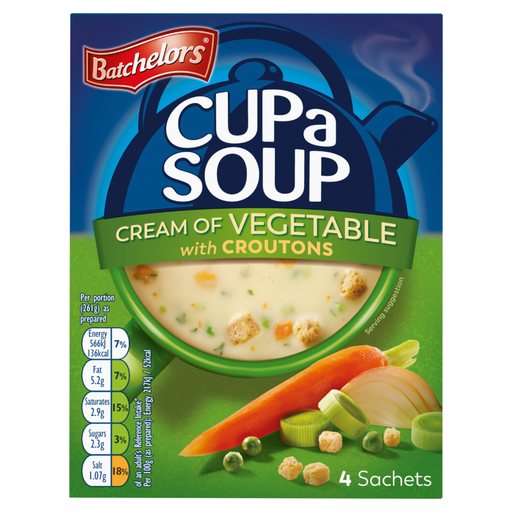
Why This Fits Their Persona: For a quick, warming lunch at the desk, this classic cup a soup is unmatched in convenience. It requires minimal equipment—just a mug and a kettle—making it ideal for a busy office environment in the UK.
This product is transparent about what it is: a convenient instant soup. It doesn't pretend to be a gourmet meal, and its nutritional information is clearly stated for a quick, informed choice.
Preparation in minutes; individual sachets for portion control and freshness.
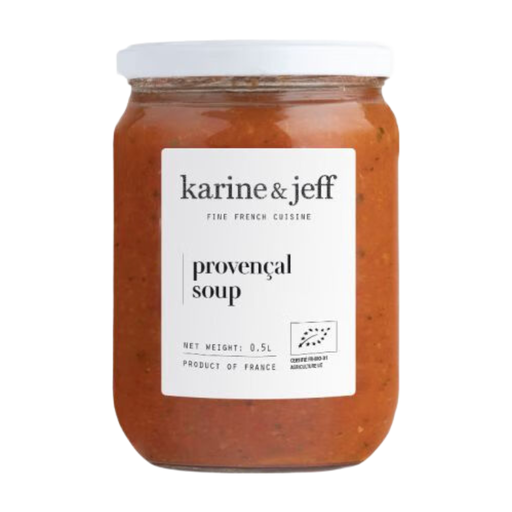
Why This Fits Their Persona: This is for someone who prioritises clean eating. As a certified organic soup, it's made with high-quality, recognisable vegetables and herbs, offering a nutritious and flavourful meal without the need for home cooking.
It directly counters the 'hidden additives' trap. The ingredients list is short and simple, featuring organic vegetables and seasonings. The salt content (0.60g per 100g) is well-managed.
Certified organic ingredients; no artificial colours, flavours or preservatives.
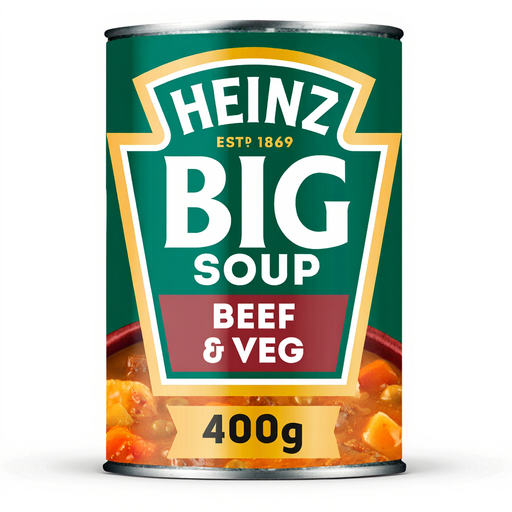
Why This Fits Their Persona: For those who want a no-fuss, filling meal that feels substantial, this classic Heinz soup delivers. It's a familiar, reliable choice for a hearty lunch, especially on a cold day, and pairs perfectly with crusty bread.
This soup directly tackles the 'watery consistency' pitfall. Its entire brand proposition is built on being a chunky soup, with beef (10%) and potatoes (17%) as major ingredients, ensuring a satisfying texture.
Genuinely hearty and filling; a reliable and widely available option for a substantial meal.
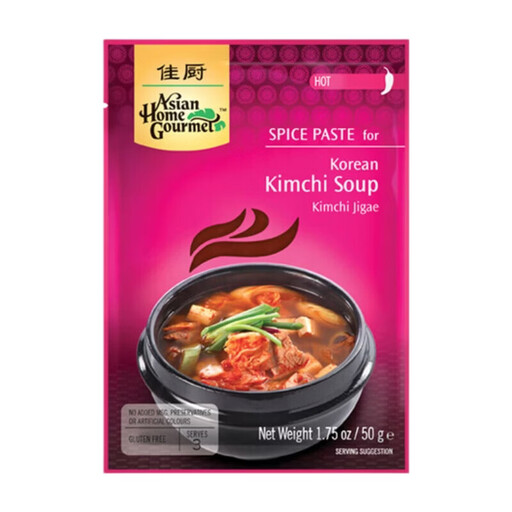
Why This Fits Their Persona: This is for the home cook eager to explore global cuisines. This paste provides the authentic flavour base for a Korean kimchi soup (jjigae), allowing for customisation with fresh tofu, pork and vegetables for a restaurant-quality experience at home.
It avoids the 'artificial flavour' trap by being a concentrated paste made from real ingredients like chillies, miso and fish sauce. It empowers you to build an authentic dish, rather than just offering a diluted, ready-made version.
Provides an authentic, complex flavour base; highly versatile for customising your meal.
We have compiled a complete, real-time list of products that fully satisfy these strict selection criteria and UK safety regulations.
Once a can or carton of soup is opened, any unused portion should be transferred to a sealed, non-metallic container. It should be kept refrigerated and is typically best consumed within two days. Always refer to the specific storage instructions on the product's packaging.
It varies significantly by product. Instant soup is designed for maximum convenience and can sometimes be higher in sodium and contain more processed ingredients. Canned soup often has the potential to include more whole vegetables and protein. The key is to compare the nutritional labels of specific products side-by-side, focusing on the ingredients list and the salt and sugar content per 100g.
Absolutely. The availability of high-quality vegan soup and gluten-free soup has improved dramatically. Many brands now offer clearly labelled products. For vegan options, always double-check the full ingredients list for hidden dairy like milk proteins. For gluten-free, ensure the product is certified or explicitly states it is made without wheat, barley or rye. Organic and health-focused brands are often a reliable place to start your search.