
24/7 Customer Support

Free returns

Same-day & Next-day Delivery

Quality Guaranteed

Unlock Your Welcome Offers: FREE Delivery | Up to 80% OFF | Free 30-day JoyPlus trial
Download the APP
Ready-to-drink Asian coffee is a practical option when you want a chilled coffee break without a kettle, machine or queue. From Thai coffee and Japanese café au lait to Korean caramel macchiato drinks, cans and bottles offer a wide range of flavours and serving sizes for commuters, students and busy households.
However, attractive packaging can make comparison difficult. A sweet coffee drink may contain more sugar than expected, while a larger bottle may not suit a short commute. Before buying, check the ingredients, nutrition panel, packaging and storage instructions rather than relying on flavour names alone.
Terms such as “cappuccino”, “vanilla coffee drink” and “caramel macchiato drink” describe the flavour profile, but not necessarily the strength or texture of the coffee. Some products use freshly brewed coffee, while others contain coffee extract or coffee powder.
If you prefer a noticeable roasted flavour, check the ingredient list for the position and percentage of coffee. If you enjoy a sweeter, milk-led drink, look for products listing milk, sugar or flavourings alongside coffee.
A 185g or 240ml can may be convenient for a single break, whereas a 390ml bottled coffee is more substantial for a longer journey. Compare nutrition per 100ml and per can or bottle, as the larger serving can contain considerably more sugar and energy.
For example, the listed POKKA Milk Coffee provides 18g of sugars per 240ml can, while OKF Caramel Macchiato lists 12g of sugars per 100ml. Its 390ml bottle therefore contains approximately 46.8g of sugars if consumed in full.
Milk coffee can products are not suitable for people with milk allergies, and some may not suit those avoiding lactose. Ready-to-drink coffee also contains caffeine, so check the label if you are sensitive to it or buying for someone under 16.
Unopened products generally need cool, dry storage away from direct sunlight. Once opened, many should be refrigerated and consumed within 24 hours. Do not buy or consume a can or bottle that is swollen, leaking, badly dented or has a broken seal.
Look for whether the drink uses freshly brewed coffee, coffee extract, espresso coffee or coffee powder. These terms do not guarantee a particular taste, but they help explain why one drink may taste more roasted and another more mellow.
Choose the container around your routine:
Cans are sturdy and shield the drink from light, while PET bottles are lightweight and resealable before opening. Neither format should be left in high temperatures for prolonged periods.
Use the per-serving figures to compare energy, sugars, fat and salt. The listed products vary considerably: POKKA Cappuccino provides 48 kcal per 100ml, POKKA Milk Coffee provides 42 kcal per 100ml and OKF Caramel Macchiato provides 66 kcal per 100ml.
Allergen information is equally important. Milk is declared in the ingredients for the featured milk coffee, cappuccino, vanilla and caramel products. Always check the physical packaging before consumption, as recipes and labelling can change.
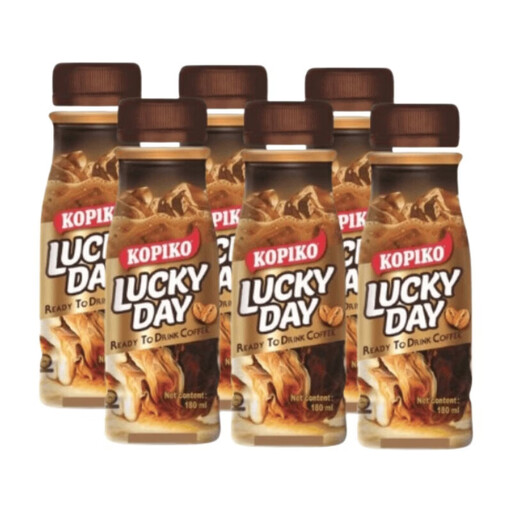
Why This Fits Their Persona: The six-bottle format gives students, first-time buyers and office workers several compact servings to keep at home or work. Its 180ml size is manageable for a short coffee break.
The listing clearly states the 180ml capacity, pack quantity, milk allergen and caffeine warning, making it easier to compare with larger bottled coffee formats.
Brewed espresso coffee; 180ml bottles; six-pack format; 72 kcal per 100ml.

Why This Fits Their Persona: A compact Japanese canned coffee for shoppers who want a milk-led café au lait profile in a smaller serving for the train, office or morning routine.
The 185g serving makes portion comparison straightforward, while the product information identifies milk ingredients and recommends gentle shaking before opening.
185g aluminium can; made in Japan; listed at 76 kcal per 100g.
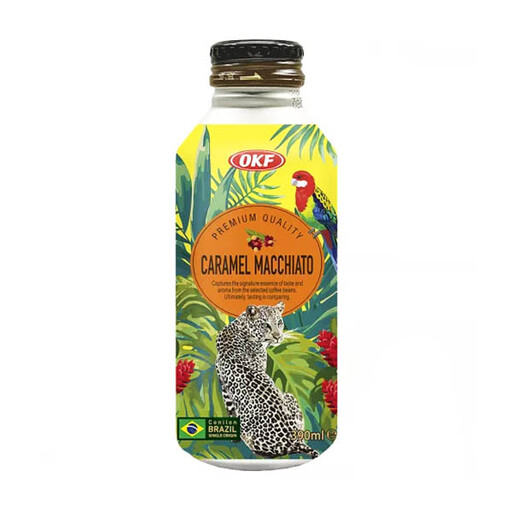
Why This Fits Their Persona: The larger PET bottle suits commuters, travellers and students who prefer a sweeter Korean coffee drink and more liquid in one portable format.
Its 390ml capacity and 66 kcal per 100ml are clearly stated, helping buyers recognise that a larger bottle also represents a larger total serving.
390ml resealable PET bottle; coffee, milk and caramel flavour profile; designed to be served chilled.
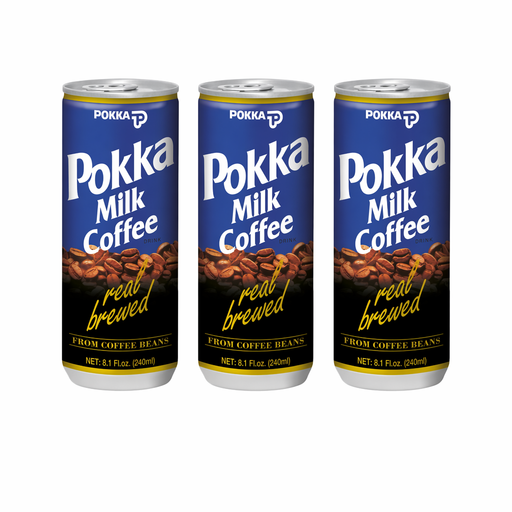
Why This Fits Their Persona: A medium-sized canned coffee for keeping at work, storing in the fridge or adding to a home supply of Asian drinks online.
The listing provides both per-100ml and per-240ml nutrition figures, so regular drinkers can assess the full serving rather than judging the drink by the smaller reference amount.
240ml aluminium can; 23.3% coffee and 21.9% milk listed; 100.8 kcal per can.
We have compiled a complete, real-time list of products that fully satisfy these strict selection criteria and UK safety regulations.
Most products can be consumed at room temperature or chilled. For a colder drink, refrigerate the unopened can or bottle according to the storage instructions. Do not heat a sealed can or bottle. Shake gently before opening when the label recommends it.
Many products should be refrigerated after opening and consumed within 24 hours. Unopened shelf life varies by product, so use the best-before information printed on the packaging. Discard any drink with an unusual smell, damaged seal or unexpected appearance.
The cost depends on pack size, serving volume and how often you buy. A multi-pack may be more convenient for regular consumption, while a single can avoids purchasing more than you need. Compare the price per 100ml or per serving alongside sugar, milk and caffeine information to make a practical decision.