
24/7 Customer Support

Free returns

Same-day & Next-day Delivery

Quality Guaranteed

Unlock Your Welcome Offers: FREE Delivery | Up to 80% OFF | Free 30-day JoyPlus trial
Download the APP
Buying ready-to-drink beverages should be simple, but attractive packaging and broad claims can make comparison harder than expected. UK households may be choosing drinks for school lunchboxes, work breaks, family meals, parties or weekend gatherings, and each occasion calls for a different format.
The main risks are usually hidden in the details: a “light” drink may still contain sugar, a large multipack may not suit your storage space, and a functional beverage may contain ingredients that are unsuitable for younger children or sensitive consumers. Checking the label before buying helps you avoid paying for features that do not match your routine.
A zero-sugar soft drink may contain sweeteners rather than sugar. This can reduce the energy value, but it does not necessarily make the drink suitable for everyone. Check the full ingredient list for sweeteners such as aspartame, acesulfame K, sucralose or steviol glycosides. Products containing aspartame must carry the required phenylalanine warning.
Some fruit-based drinks labelled “light” or “refreshing” still contain naturally occurring or added sugars. Compare the sugars per 100ml and the serving size rather than relying on front-of-pack wording.
A soft drinks multipack can offer convenient cupboard stock, but a 24-pack may be excessive for a smaller household or difficult to store. Individual 200ml pouches can be more practical for lunchboxes, while 330ml cans suit meals and social occasions.
Calculate the total volume and compare it with your likely weekly use. This helps prevent waste, particularly where drinks have a short recommended consumption period after opening.
Functional soda, aloe vera drink and hydration drinks can contain ingredients such as fibre, live cultures or added vitamins. These are product features, not a substitute for a varied diet or medical advice. Read the ingredients, age guidance and storage instructions carefully.
Also distinguish between ready-to-drink tea, fruit juice drinks and flavoured soft drinks. They may look similar on a shelf but can have very different sugar, caffeine and fruit-content profiles.
Use the nutritional panel to compare drinks on a like-for-like basis:
For example, Coca-Cola Original Taste lists 10.6g of sugars per 100ml, while Coke Zero lists 0g. Fanta Orange Zero Sugar lists 0.4g sugars per 100ml. These figures demonstrate why checking the nutrition table is more reliable than assuming two similarly flavoured drinks have similar contents.
Some energy drinks, cola drinks and tea-based beverages contain caffeine. Lucozade Energy Orange, for example, includes caffeine and provides 133 kcal per 380ml bottle. Cola products also commonly contain caffeine, so check the label if you are buying for children, avoiding caffeine or serving drinks late in the day.
Alcoholic cocktail drinks require separate consideration. The 7FRESH Litchi Flavoured Cocktail contains 3% alcohol by volume in a 250ml can. It is not suitable for children, and UK alcohol laws prohibit sales to under-18s. Store alcoholic drinks securely and check the alcohol content before serving at gatherings.
Choose packaging based on how the drink will be used:
Always check best-before information, storage instructions and allergen advice. Some drinks should be consumed promptly after opening, while pouches may carry a choking warning or age restriction. For example, Capri-Sun products state that they are not suitable for children under three and that attached straws should not be chewed.
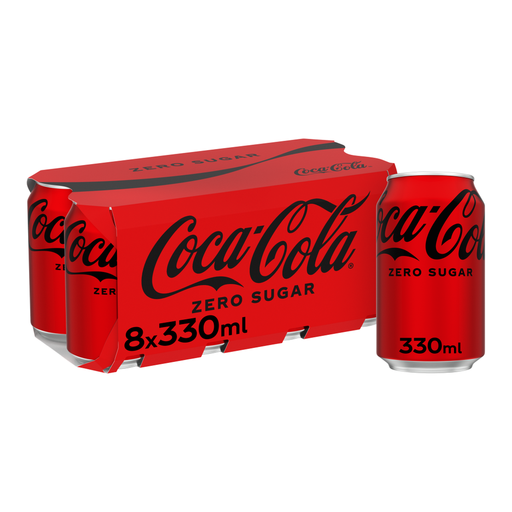
Why This Fits Their Persona: Eight 330ml cans provide a manageable starting multipack for meals, gaming evenings and occasional guests without committing to a larger case.
The label clearly states 0g sugar and 1 kcal per 330ml can, while also identifying sweeteners and a source of phenylalanine.
Zero sugar, very low energy per can and a compact 8-can format for everyday fridge storage.

Why This Fits Their Persona: The small glass-style serving format and lightly sparkling apple flavour suit dinner parties, celebrations and adult alcohol-free occasions.
The ingredients identify carbonated apple juice from concentrate at 100%, rather than implying a zero-sugar recipe.
Six 250ml servings, 100% carbonated apple juice from concentrate and no added preservatives listed.

Why This Fits Their Persona: Fifteen 500ml bottles create a substantial supply for offices, larger households, picnics or regular chilled drink occasions.
The product information specifies unsweetened green tea with 0g sugar and 0 calories per 100ml, rather than relying on vague hydration wording.
7.5 litres in total, zero sugar and zero calories, with bottles suitable for chilled or room-temperature serving.
We have compiled a complete, real-time list of products that fully satisfy these strict selection criteria and UK safety regulations.
For fans of Asian drinks, options include Vita Lemon Tea, Master Kong Iced Black Tea, Oishi White Strawberry Green Tea and Lotte Milkis Strawberry Soda. These vary considerably in sugar, tea content and serving size, so compare the nutrition panels before ordering a case.
For family occasions, fruit juice drinks such as Capri-Sun Tropical and Capri-Sun Zero Orange offer 200ml pouches, while sparkling drinks such as Fanta Orange Zero Sugar provide 330ml cans. Aloe vera drink formats, including OKF Aloe Vera Juice King, offer a larger 1.5L bottle with gel pieces and should be refrigerated after opening.
Look for smaller portions, secure packaging and clear age guidance. Capri-Sun 200ml pouches are designed for portability, but the attached straw should not be chewed and the product is not suitable for children under three. Always consider sugar, caffeine and school-specific policies.
Storage cost is mainly determined by pack size, not sugar content. A larger multipack may reduce the number of shopping trips but needs more cupboard or fridge space. Compare the price per litre, serving size and likely household consumption before choosing between 8-, 18- or 24-can packs.
Follow the product label. Many drinks should be refrigerated after opening and consumed promptly, often within 24 hours. Larger bottles such as aloe vera drinks may specify a longer period, such as 7–10 days, but refrigeration and the stated instructions remain essential.