
24/7 Customer Support

Free returns

Same-day & Next-day Delivery

Quality Guaranteed

Unlock Your Welcome Offers: FREE Delivery | Up to 80% OFF | Free 30-day JoyPlus trial
Download the APP
The convenience of ready to drink beverages is undeniable. Whether you need a quick refreshment on your commute, a flavourful partner for your lunch or a simple way to explore new tastes, grabbing a bottle is an easy choice. However, the sheer variety on the shelves can be overwhelming and not all options are created equal. Many drinks hide behind appealing labels while falling short on quality or being packed with unexpected ingredients.
As a Joybuy Product Recommendation Officer, my role is to help you navigate this crowded market. We will look past the marketing hype and focus on what truly matters, helping you find a drink that genuinely suits your needs and preferences. Let's start by examining the common pitfalls that can lead to a disappointing purchase.
To avoid these traps, a quick look at the label is essential. Here are the key parameters to focus on to ensure you are getting what you pay for.
The order of ingredients tells you a lot about the drink's composition. If water and sugar (or fructose syrup) are the first two items, you are likely holding a sugar-sweetened beverage, not a genuine tea or juice drink. For those seeking healthier options, look for sugar-free beverages or zero calorie drinks. Check for products where the primary flavour source, such as Japanese green tea extract or real fruit pulp, is listed prominently. For example, an aloe vera drink should specify the percentage of aloe vera juice & pulp.
Sugar content is a major differentiator. Beyond traditional sugar, many drinks use high-fructose corn syrup or a range of artificial sweeteners (like Aspartame, Sucralose or Acesulfame K). While zero calorie drinks rely on these to cut calories, some people find they have a distinct aftertaste. If you prefer a more natural sweetness, look for drinks with a lower sugar content or those sweetened with ingredients like date concentrate.
For those interested in authentic Asian drinks, the details matter. A quality Japanese green tea will often specify the type of tea used, such as sencha, genmaicha or matcha. Similarly, authentic Korean drinks might feature traditional ingredients like pear, plum or specific herbal extracts. Also, take note of any added textures. Ingredients like nata de coco (chewy coconut jelly) or aloe pulp can add a unique and enjoyable dimension that sets a drink apart from standard flavoured water.
To help illustrate these points, here are a few recommendations from our catalogue, matched to different needs and preferences.
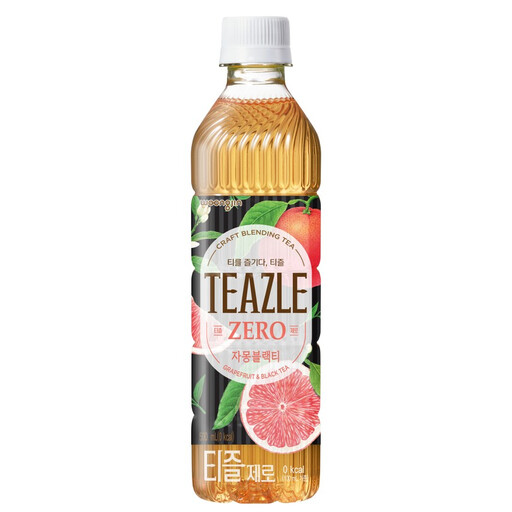
Why This Fits Their Persona: This is ideal for busy professionals in the UK seeking a flavourful yet guilt-free refreshment. It's a sophisticated alternative to plain water or sugary sodas for staying hydrated at the desk or after a gym session.
It directly counters the "healthy halo" trap by being explicitly zero-calorie and sugar-free. There are no hidden sugars or misleading health claims.
It offers a complex flavour profile, blending tangy grapefruit with robust black tea, which is rare in the zero-calorie category. It is also vegan-friendly.
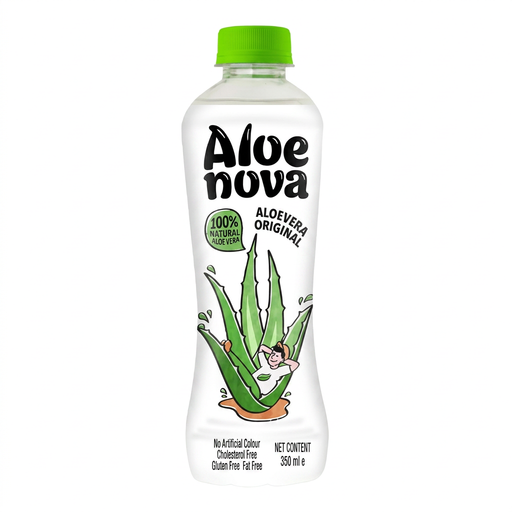
Why This Fits Their Persona: For those in the UK curious about authentic Asian drinks, this offers a genuine taste and texture experience. It's a step beyond typical fruit juices, providing a unique mouthfeel that is popular across Asia.
This avoids the "vague flavour" trap by clearly stating it contains 25% aloe vera juice & pulp. You are getting the actual ingredient, not just an artificial flavouring.
The inclusion of real aloe vera pulp provides a satisfyingly chewy texture and refreshing taste. It is also Halal, gluten-free and fat-free.
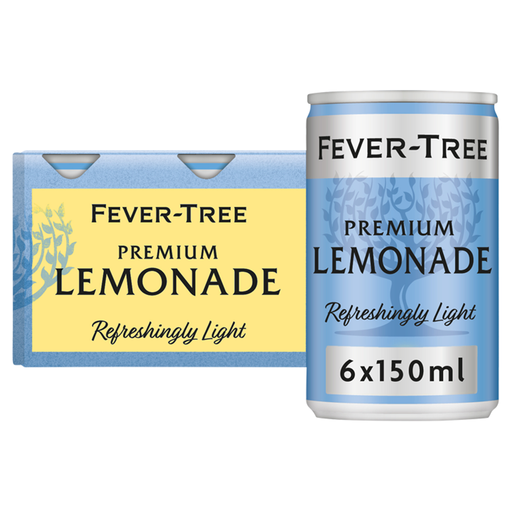
Why This Fits Their Persona: For anyone in the UK hosting friends or mixing drinks at home, this is a reliable choice. It serves as a high-quality standalone soft drink or one of the most dependable premium mixers UK consumers can find for gin and vodka.
It avoids the "premium price for basic ingredients" trap. The price is justified by its use of carbonated spring water and lemon juice from concentrate, not just artificial flavourings.
It contains no artificial flavours or sweeteners, providing a clean, zesty lemon taste that is specifically designed to complement, not overpower, premium spirits.
We have compiled a complete, real-time list of products that fully satisfy these strict selection criteria and UK safety regulations.
The healthiness of a ready to drink iced tea depends entirely on its formulation. Many are high in sugar. To make a healthier choice, look for unsweetened versions or those explicitly labelled as sugar-free beverages. An authentic Japanese green tea like Itoen's Oi Ocha, for instance, is often unsweetened, focusing purely on the flavour of the tea itself. Always check the nutritional information for sugar content.
Nata de coco is a chewy, translucent and jelly-like food produced by the fermentation of coconut water. It is a popular ingredient in desserts and beverages across Southeast Asia, particularly in the Philippines. When added to drinks like the Kato Lychee Iced Tea, it provides a pleasant, firm texture that makes the drinking experience more interesting and substantial.
Yes, many RTD coffee drinks, teas and lemonades can work well as premium mixers UK home bartenders can use. For the clearest flavour pairing, choose drinks with simple, high-quality ingredients. A premium lemonade or a light tonic water like those from Fever-Tree are designed for this purpose. Unsweetened green or black teas can also add an interesting tannic quality to cocktails.