
24/7 Customer Support

Free returns

Same-day & Next-day Delivery

Quality Guaranteed

Unlock Your Welcome Offers: FREE Delivery | Up to 80% OFF | Free 30-day JoyPlus trial
Download the APP
Ready to drink cocktails make entertaining easier: chill, open and serve. However, the growing choice of premixed cocktails, bottled cocktails and canned cocktails can make it difficult to compare products fairly. A striking label or phrase such as “bar-quality” does not tell you whether a drink suits your preferred flavour, strength or serving style.
Before buying alcoholic ready to drink drinks for a barbecue, party, picnic or quiet evening at home, check the details that affect value and enjoyment.
A small can can still contain a significant amount of alcohol. For example, a 125ml cocktail at 14.9% ABV contains approximately 1.9 UK units, while a 250ml can at 5% ABV contains around 1.25 units. Comparing only the price per can can therefore give a misleading impression of value.
Always check:
For responsible drinking, the UK Chief Medical Officers advise adults not to regularly exceed 14 units of alcohol per week. Alcohol should be avoided during pregnancy and you should never drink before driving or operating machinery.
Passion fruit, strawberry, peach and raspberry flavours can be appealing, but fruit-led drinks may contain added sugar or sweeteners. A cocktail can also taste sweet because of fruit juice, liqueur or syrup, even when the packaging focuses on the spirit or fruit imagery.
Check the nutrition panel where available. Compare sugars and energy per 100ml, rather than per can, because formats vary considerably. For a drier option, look for products such as vodka soda or shochu cocktails that list very low sugar values. These may have a sharper, more acidic profile than sweet fruit drinks.
Most RTD cocktails require little effort, but the recommended serve can affect the result. Some are intended to be served well chilled, while others benefit from pouring over ice or using a garnish. A bottled Negroni, for instance, is more concentrated and is usually served in a rocks glass over ice. A sparkling canned cocktail is generally ready to pour or drink chilled.
Also check storage instructions. Some products can be kept at ambient temperature before opening, while others should be refrigerated after opening. Never shake carbonated cans, freeze them or expose pressurised containers to direct heat.
ABV helps you compare strength, but units are more useful for planning consumption. A 70cl bottle at 28.2% ABV is very different from a 200ml can at 5% ABV, even if both are described as cocktails.
For larger formats, divide the total volume into realistic servings. A 75cl pre-mixed margarita may provide around five 150ml servings, but each pour still contains alcohol that should be counted.
Choose the format according to the occasion:
Cans are portable, but bottles can offer a more traditional presentation. A cocktail gift box may be more suitable when presentation matters more than volume.
Review the ingredient list for sulphites, dairy, gluten, sweeteners and artificial colourings if these matter to you. Several products in this selection are listed as suitable for vegans or vegetarians, including certain vodka soda, shochu and canned martini options. Always confirm the current packaging before purchase, as formulations and labelling can change.
Flavour also matters. A Negroni cocktail has a pronounced bittersweet character from gin, bitter aperitif and vermouth. An espresso martini brings coffee, cocoa and vanilla notes. A pre-mixed margarita is generally sharper, with tequila, orange liqueur and lime. Selecting by flavour profile is more reliable than choosing by cocktail name alone.
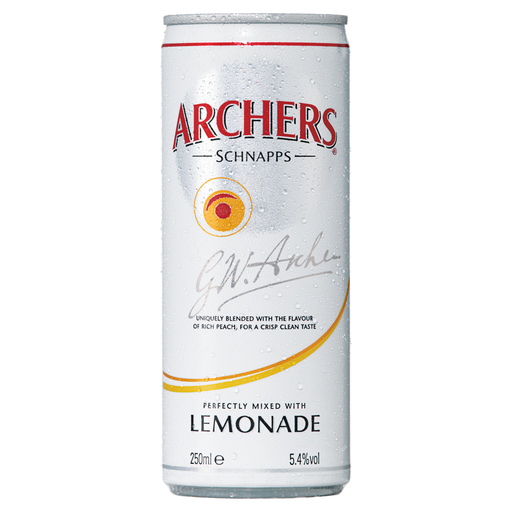
Why This Fits Their Persona: A familiar peach-and-lemonade profile in a single 250ml can, suitable for casual home drinks and small gatherings.
The 5.4% ABV and approximately 1.35 UK units per can are clearly stated, helping shoppers avoid judging strength by flavour alone.
Portable 250ml format; designed to be served chilled over ice.
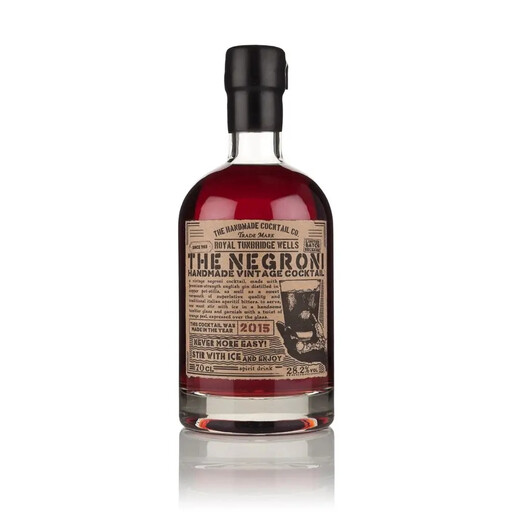
Why This Fits Their Persona: A bottle format for shoppers who prefer classic cocktail character and a more considered serve when entertaining.
Its 28.2% ABV makes the strength clear, while the 70cl size signals that it is intended for measured pours rather than one casual serve.
Combines London Dry gin, bitter aperitif and sweet vermouth; suitable for pouring over a large ice cube.

Why This Fits Their Persona: A 12-can case is practical for larger gatherings, regular fridge stocking, barbecues and sharing occasions.
The pack contains 12 individual 330ml cans at 6% ABV, with approximately 2 UK units per can, so total stock and strength are easy to calculate.
Vodka and shochu base; listed as suitable for vegetarians and vegans with very low sugar per 100ml.
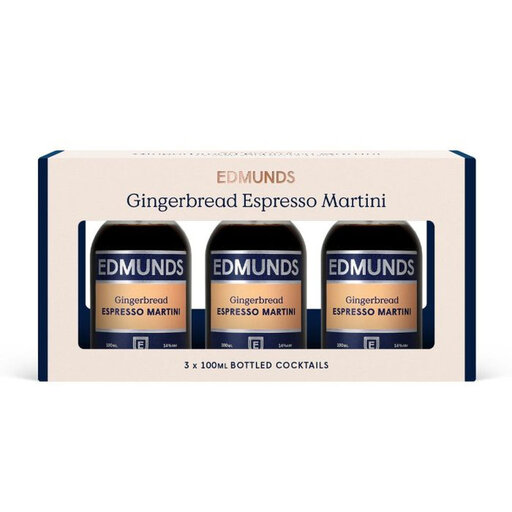
Why This Fits Their Persona: The three-bottle presentation suits gifting, dinner hosting or anyone who prefers an espresso martini with a seasonal gingerbread note.
The pack size and 100ml individual portions are clear, reducing the risk of buying a large bottle when a gift or small tasting format is required.
Contains Sapling Vodka, coffee liqueur, vanilla syrup and gingerbread; supplied as three 100ml bottles.
We have compiled a complete, real-time list of products that fully satisfy these strict selection criteria and UK safety regulations.
They can offer practical value when convenience, consistent portioning and minimal preparation matter. Compare the price per serving, ABV, UK units and total volume rather than relying on packaging claims. Cans are useful for individual occasions, while larger bottles may suit sharing.
Not always. Some products are suitable for ambient storage before opening, while others are best kept chilled. Once opened, bottled cocktails commonly require refrigeration. Follow the storage information on the product packaging and check the best-before date.
Choose according to guest preferences and serving arrangements. Multipacks of canned cocktails work well for larger groups, while a 70cl Negroni or margarita bottle can provide several measured serves. Offering contrasting styles, such as a fruity passion fruit martini, a coffee-based espresso martini and a citrus vodka soda, can make the selection more accommodating.