
24/7 Customer Support

Free returns

Same-day & Next-day Delivery

Quality Guaranteed

Unlock Your Welcome Offers: FREE Delivery | Up to 80% OFF | Free 30-day JoyPlus trial
Download the APP
Ready-to-drink alcoholic cocktails make hosting simpler: chill the cans or bottles, open when needed and avoid buying multiple spirits, mixers and garnishes. However, attractive packaging can make it difficult to compare what you are actually getting.
Whether you are planning a BBQ, picnic, festival gathering or relaxed evening at home, focus on the label rather than the marketing description. The following guide explains the main buying traps, the specifications worth checking and which formats may suit different UK adult shoppers.
A lower ABV does not automatically mean a drink contains little alcohol overall. A 440ml can at 3.4% ABV may contain approximately 1.5 UK units, while a 330ml can at 6% ABV contains around 2 units. A larger can can therefore change the total alcohol intake even when the percentage appears modest.
Check both ABV and UK units per can or bottle. This is particularly important when comparing canned cocktails, bottled cocktails and cocktail multipacks.
Fruity cocktails can range from lightly citrus-led drinks to noticeably sweet lemonade-style mixes. Product descriptions may highlight fruit, fizz or tropical flavour without making the sugar level immediately obvious.
Look at the nutrition panel per 100ml and calculate the amount for the full container. For example, 7FRESH Litchi Flavoured Cocktail contains 9g of sugar per 100ml; its 250ml can therefore contains approximately 22.5g of sugar. By comparison, Suntory Kodawari Lemon Sour Extra Lemon lists 0g sugar per 100ml, although it contains sweeteners.
Some premixed cocktails contain sulphites, caffeine, dairy or artificial sweeteners. A creamy drink such as a Piña Colada may contain milk, while Japanese chu-hi products can list sulphur dioxide and sulphites.
Storage also affects convenience. Most ready-to-drink alcoholic cocktails should be stored in a cool, dry place away from sunlight and chilled before opening. Once opened, carbonation and flavour can deteriorate quickly, so check the packaging instructions.
ABV shows the percentage of alcohol by volume. UK units provide a more practical comparison because they account for both strength and serving size. As a rough guide, a 250ml can at 5% ABV contains about 1.25 units, while a 350ml can at the same strength contains about 1.75 units.
The UK Chief Medical Officers advise adults not to regularly exceed 14 units per week. Alcohol is for people aged 18 and over only. Do not drink when pregnant, driving, operating machinery or taking part in activities requiring concentration.
Single cans between 200ml and 350ml are useful when you want to control portions or offer a range of flavours. Larger 440ml cans provide more drink but should be assessed by total units rather than volume alone.
A cocktail multipack can make sense for parties, but only if the flavour suits the group and you have enough chilled storage. The Suntory 196 Vodka Soda & Shochu Lemon is supplied as 12 x 330ml cans, whereas Gordon’s Gin & Diet Tonic comes as a six-can pack of 250ml servings.
Choose the base spirit and flavour style according to the occasion:
Always read the current product label for ingredients, allergens, nutrition and alcohol units before purchase.
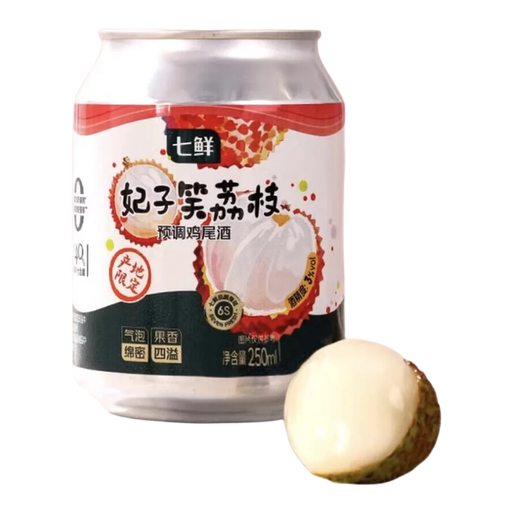
Why This Fits Their Persona: A single 250ml can offers a manageable format for first-time buyers, casual gatherings or a chilled drink on a warm day. It has 3% ABV and a sweet litchi profile.
The 250ml serving and clearly listed 3% ABV make comparison easier than relying on flavour-led packaging alone.
Litchi pulp is listed at ≥5g/L; ready to drink after chilling.
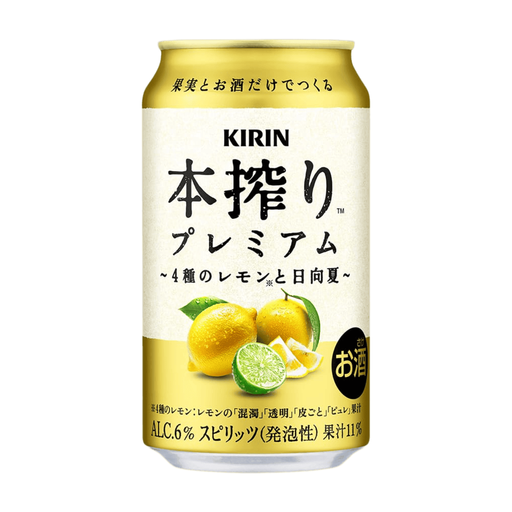
Why This Fits Their Persona: Its combination of four lemon varieties and Hyuganatsu citrus suits shoppers seeking a sharper, food-friendly Japanese chu-hi for dinners or small gatherings.
The listed 6% ABV, 1.05 units per 350ml can and 39 kcal per 100ml provide useful facts beyond premium positioning.
Real citrus juices are listed; refrigerate at 2°C to 8°C before drinking.

Why This Fits Their Persona: The 12-can case is suited to larger BBQs, parties or maintaining a chilled supply at home, with a dry citrus style for savoury food.
The case specification states 2 units per can and 24 units per pack, helping hosts plan responsibly.
6% ABV; listed at less than 0.1g sugar per 100ml.
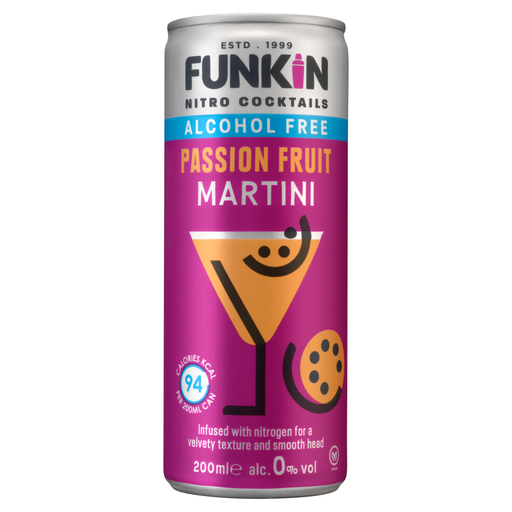
Why This Fits Their Persona: A 0.0% option gives hosts an alternative for guests avoiding alcohol while retaining a fruit-led cocktail presentation.
The label states 0.0% ABV and 0 UK units per 200ml can, rather than leaving alcohol content unclear.
Nitrogen infusion; suitable for vegetarians and vegans.
We have compiled a complete, real-time list of products that fully satisfy these strict selection criteria and UK safety regulations.
Cans are convenient for transport and require no mixing equipment. Check the venue’s rules first, keep drinks chilled where possible and follow local restrictions on alcohol in public spaces. Choose pack sizes that match the number of adults attending rather than overbuying.
Keep unopened products in a cool, dry place away from direct sunlight. Refrigerate before serving if the label recommends it. Do not freeze carbonated cans, and consume opened drinks promptly because fizz and flavour can decline.
No. Calories and alcohol strength are separate measurements. A drink may contain fewer calories because it has less sugar, but it can still have a relatively high ABV. Compare kcal per 100ml, sugar, ABV and UK units together before choosing.