
24/7 Customer Support

Free returns

Same-day & Next-day Delivery

Quality Guaranteed

Unlock Your Welcome Offers: FREE Delivery | Up to 80% OFF | Free 30-day JoyPlus trial
Download the APP
Ready-to-drink cocktails make hosting and relaxing at home straightforward: chill the drink, open it and serve. However, attractive packaging and flavour-led descriptions can make it difficult to compare premixed alcoholic drinks fairly.
Before buying, look beyond the cocktail name. Alcohol strength, serving size, sugar content, allergens, storage instructions and the difference between a single-serve can and a multi-serve bottle all affect whether a product suits your occasion.
A drink labelled “light” or “low-alcohol” may still contain a noticeable amount of alcohol. For example, a 250ml drink at 4.5% ABV contains approximately 1.125 UK units, while a 350ml can at 5% ABV contains around 1.8 units.
Always check both ABV and UK units per can, bottle or serving. The UK Chief Medical Officers advise that adults should not regularly exceed 14 units per week. Alcohol should be avoided during pregnancy, before driving and when operating machinery.
Fruit-flavoured alcoholic drinks can contain juice, concentrated juice, sugar, syrups or sweeteners. A litchi, raspberry or grape flavour does not automatically indicate a lower-sugar recipe.
Compare the nutrition panel per 100ml and per container. This is particularly important when choosing sparkling alcoholic drinks for a party, where several cans may be served over an evening.
Single cans are convenient for individual servings, while bottled cocktails and larger formats work better for sharing or pouring over ice. A 750ml Margarita bottle may provide several serves, but it also has a higher ABV and should be measured carefully.
Similarly, a 10-pack may offer useful quantity for a gathering, but check the units per can and total pack units before purchasing. “Ready to drink” does not always mean “ready to serve at room temperature”: many products need refrigeration for the intended flavour and carbonation.
ABV shows the percentage of alcohol by volume, but it does not tell you the complete picture without the container size. A simple calculation can help:
Units = ABV × volume in millilitres ÷ 1,000
For example, a 330ml drink at 3% ABV contains roughly 0.99 UK units. A 700ml liqueur at 22% ABV is a very different purchase from a 250ml can, even though both may appear in a cocktails drinks category.
Look for:
This helps distinguish Japanese chu-hi, whisky highball and vodka cocktails by strength rather than by marketing language alone.
Read the ingredient list if you have dietary requirements or flavour preferences. Some drinks use real fruit juice, while others rely mainly on flavourings. Products may also contain sulphites, milk, barley or caffeine.
For example, Kirin citrus chu-hi products list sulphur dioxide and sulphites, while cream-based cocktails can contain milk. Alcohol-free cocktails still require an ingredient check, particularly if you are avoiding particular sweeteners, colourings or fruit ingredients.
Many canned cocktails should be chilled before opening and consumed immediately once opened to retain carbonation. Bottled cocktails and liqueurs may need refrigeration after opening. Check the label for:
This is especially relevant when buying in bulk for a barbecue, birthday gathering or seasonal event.
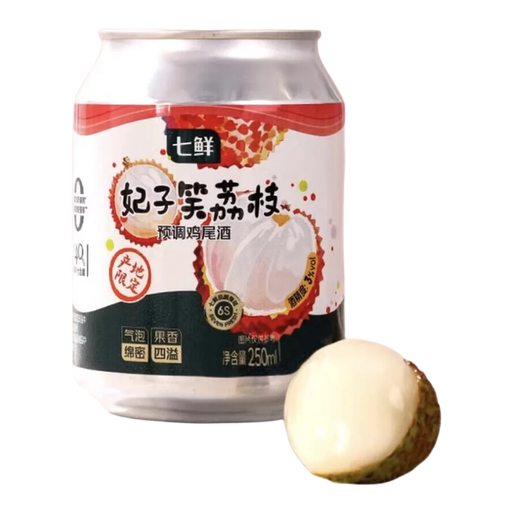
Why This Fits Their Persona: The compact 250ml can gives new buyers a manageable single serving, with 3% ABV and a sweet litchi-led flavour profile.
The label states both 3% ABV and 250ml volume, making the serving size easier to assess than a larger bottle.
250ml can; litchi juice and pulp listed in the ingredients; best served chilled.
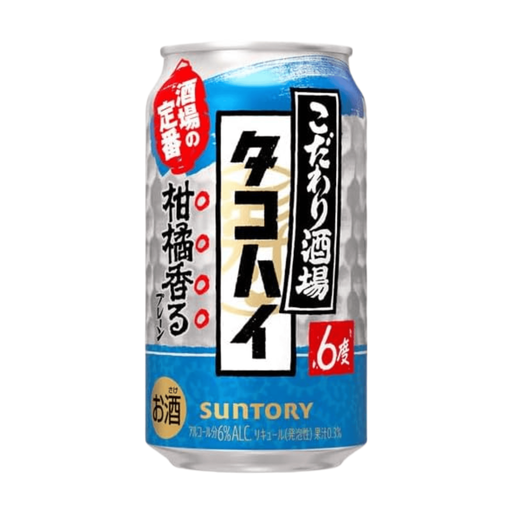
Why This Fits Their Persona: A 6% Japanese whisky highball format suits shoppers seeking a more spirit-led option for dinner pairing or relaxed evenings.
The product clearly states 6% ABV, 1.8 units per 350ml can and the need to refrigerate before drinking.
Sparkling carbonated water; 350ml single-can format; no allergens listed.
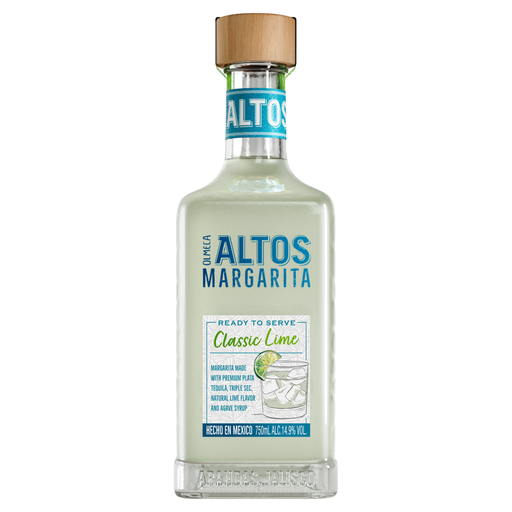
Why This Fits Their Persona: The 750ml bottle is suited to hosts who want a ready-to-pour Margarita for several measured serves at a gathering.
The stated 14.9% ABV makes it clear this is a stronger bottled cocktail requiring measured portions.
750ml sharing format; classic lime Margarita profile; refrigerate after opening.
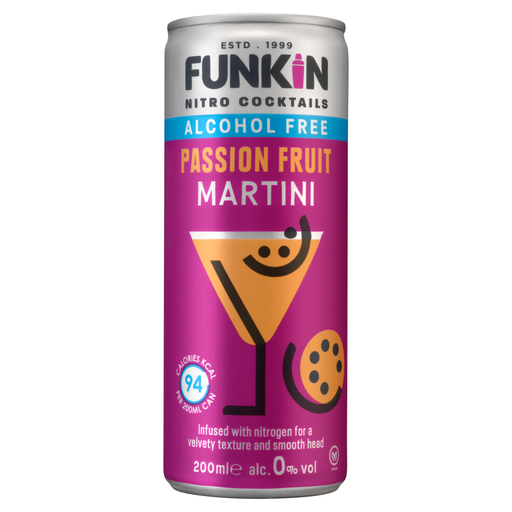
Why This Fits Their Persona: A 0.0% ABV option provides a cocktail-style serve for guests avoiding alcohol or alternating between alcoholic and alcohol-free drinks.
The listing specifies 0.0% vol and 0.0 UK units per 200ml can, rather than relying only on “alcohol-free” wording.
Nitro-infused texture; passion fruit flavour; suitable for vegetarian and vegan diets.
We have compiled a complete, real-time list of products that fully satisfy these strict selection criteria and UK safety regulations.
Most canned cocktails are best served chilled, but storage requirements vary. Keep unopened products in a cool, dry place away from direct sunlight unless the label says otherwise. Refrigerate after opening when instructed and consume promptly to preserve flavour and carbonation.
The answer depends on the recipe and serving size. Cans reduce the need to buy separate spirits, mixers, fruit and ice, while larger bottled cocktails may offer several serves. Compare the price per serving, ABV and stated number of portions rather than the pack price alone.
Japanese chu-hi usually combines a spirit base, citrus or fruit flavour and carbonation. A standard premixed drink may use vodka, whisky, tequila, wine or a liqueur base. Check the ingredients and ABV, as flavour names such as lemon, grapefruit or orange do not indicate identical strength or sweetness.