
24/7 Customer Support

Free returns

Same-day & Next-day Delivery

Quality Guaranteed

Unlock Your Welcome Offers: FREE Delivery | Up to 80% OFF | Free 30-day JoyPlus trial
Download the APP
Buying ready to drink cocktails in the UK can make hosting much easier, whether you are preparing for a BBQ, picnic, festival weekend, birthday gathering or relaxed night in. There is no need to measure spirits, mix ingredients or find specialist glassware.
However, convenience can make comparison more difficult. A colourful can may not reveal its alcohol units, sugar content or serving size at a glance. Before choosing between premixed alcoholic drinks, canned cocktails and bottled cocktails, check the details that affect value, flavour and responsible consumption.
Alcohol by volume (ABV) shows the concentration of alcohol, but not the total amount in the container. A 350ml can at 5% ABV contains more alcohol than a 200ml can at the same strength.
Always check UK alcohol units as well as ABV. For example:
These differences matter when buying party drinks or planning how many servings to provide.
Large-format alcoholic lemonade or sharing packs can look economical, but compare the price per unit, serving size and alcohol strength rather than the container size alone. A 440ml can may be suitable for a longer outdoor occasion, while smaller 125ml or 200ml formats can help with portion control.
Sweetness varies considerably between vodka ready-to-drink drinks, gin and tonic cans and fruit-based cocktails. Some contain sugar or sweeteners, while Japanese chu-hi products may include sulphites. Cream-based drinks can contain milk.
Read the ingredients and allergen information on the product listing and packaging. Terms such as “natural flavourings”, “zero sugar” or “light” do not necessarily mean the drink will suit every preference.
Use ABV to compare concentration, then use the stated units to understand the amount of alcohol per can or bottle. UK adults are advised by the Chief Medical Officers not to regularly exceed 14 units per week. Alcohol should be avoided during pregnancy, and drinking is not compatible with driving or operating machinery.
All products in this guide are 18+ alcoholic drinks. Age verification may be required at delivery.
Choose the format around the occasion:
Check storage guidance too. Most products can be stored in a cool, dry place before opening, but refrigeration generally improves the serving experience. Some cocktails should be shaken gently before opening, while nitrogen-infused drinks need particular care to create their intended texture.
Flavoured premixed cocktails and alcoholic lemonade often contain sugar, while some products use sweeteners. Compare nutritional information per 100ml and per serving, since the figures can look different depending on the container size.
If dietary requirements are important, look for clearly stated information such as vegan-friendly, vegetarian or gluten-free status. Also check the label for sulphites, cereals, milk and other declared allergens.
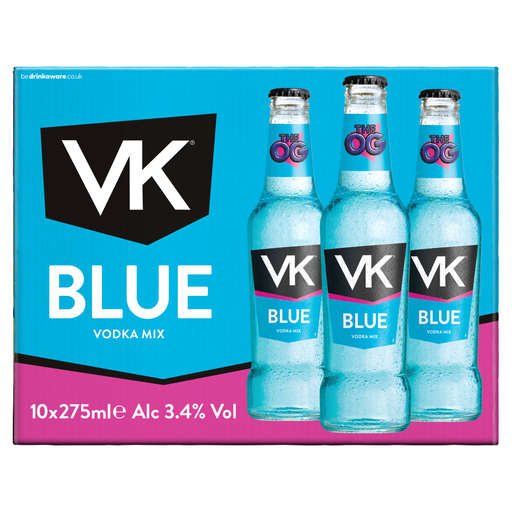
Why This Fits Their Persona: The ten-can format gives shoppers a practical quantity for sharing at house gatherings, picnics and casual celebrations without committing to a higher-strength cocktail.
Its 3.4% ABV and stated 0.935 UK units per can make portion planning clearer than relying on the pack size alone.
Ten 275ml cans; light carbonation; suitable for serving chilled or over ice.
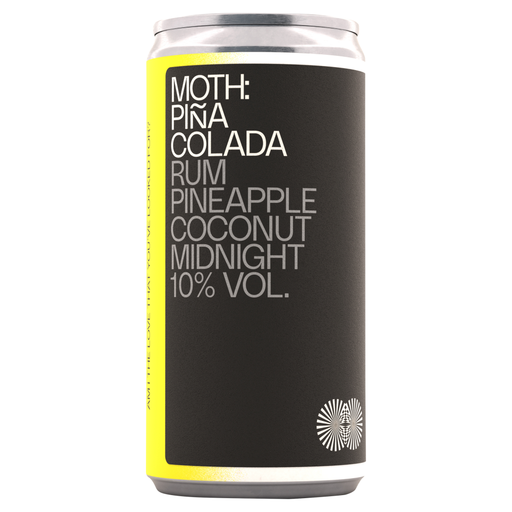
Why This Fits Their Persona: This rum cocktail suits shoppers who want a concentrated tropical serve for dinner parties, summer entertaining or a relaxed evening at home.
The 200ml volume and 2 UK units per can are clearly stated, helping buyers avoid underestimating a higher-ABV cocktail.
10% ABV; coconut, pineapple and rum profile; designed for serving chilled or over ice.
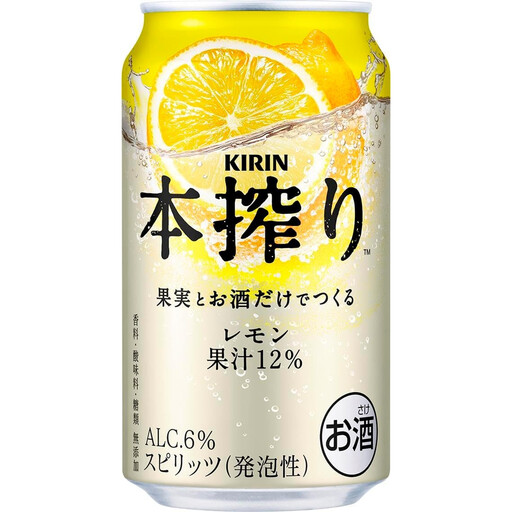
Why This Fits Their Persona: A suitable option for shoppers seeking a sharper citrus drink for meals, gatherings or casual evening refreshment.
The listing states 5% ABV, 1.8 units per 350ml can and the presence of sulphites, giving important information before purchase.
350ml format; fresh lemon juice listed in the ingredients; fine carbonation and a crisp citrus profile.
We have compiled a complete, real-time list of products that fully satisfy these strict selection criteria and UK safety regulations.
They can reduce preparation time and avoid buying several separate ingredients, but the cost per serving varies. Compare the drink’s price with its volume, ABV and alcohol units, rather than judging by the can or bottle price alone.
Check the individual storage instructions. Many can be stored in a cool, dry place before opening, but chilling improves the flavour of most ready-to-drink cocktails. Once opened, consume promptly and do not freeze cans, as expanding liquid can damage the container.
Estimate one serving per guest initially, then adjust for the event length and whether you are also offering soft drinks, water or food. Mix lower- and higher-strength options, display the alcohol units clearly and provide non-alcoholic alternatives. All purchases and consumption must be limited to adults aged 18 and over, with responsible drinking encouraged.