
24/7 Customer Support

Free returns

Same-day & Next-day Delivery

Quality Guaranteed

Unlock Your Welcome Offers: FREE Delivery | Up to 80% OFF | Free 30-day JoyPlus trial
Download the APP
Ready-to-drink cocktails can make entertaining simpler, but convenience does not always mean good value. A small can may contain one serving, while a larger bottle could provide several pours. Alcohol content, storage instructions and serving requirements also vary significantly between products.
Before buying ready-to-drink cocktails, check the label rather than relying on phrases such as “premium”, “bar-quality” or “effortless luxury”. These descriptions may indicate positioning, but they do not tell you whether the drink suits your occasion, budget or preferred strength.
A 125ml can may contain considerably more alcohol than a 200ml can, depending on its ABV. For example, a 14.9% cocktail may contain around 1.9 UK units per 125ml can, while a 5% cocktail may contain around one unit per 200ml can.
Always compare:
The UK Chief Medical Officers advise adults not to regularly exceed 14 units per week. Alcohol should only be purchased and consumed by people aged 18 or over, and should not be consumed during pregnancy.
Some canned cocktails can be served chilled straight from the can. Others need gentle shaking, vigorous shaking or pouring over ice to achieve the intended texture. Nitrogen-infused drinks may have specific opening instructions, while bottled cocktails can benefit from a cocktail shaker and martini glass.
If you want a zero-preparation drink for a party, choose a can that is clearly designed for immediate serving. If presentation matters, a bottled cocktail or cocktail kit may offer more control.
Unopened canned cocktails are generally convenient to store in a cool, dry place, but opened drinks may need refrigeration and immediate consumption. Vermouth is a notable exception to the assumption that a bottle can sit indefinitely in a cupboard. MARTINI Rosso and other vermouth products should be refrigerated after opening and consumed within the period stated on the label.
For lower-alcohol cocktails, look for products around 5% ABV and check the stated unit count. A 0.0% alcohol-free cocktail is a different category from a low-alcohol cocktail and should not be treated as interchangeable.
A 200ml can may suit one generous serve or two smaller serves, depending on the product. A 75cl bottled cocktail is more practical for sharing, while 125ml cans are useful when you want individually portioned drinks.
Espresso martini products commonly use vodka, coffee liqueur, espresso or coffee extract. These can vary from sweeter, dessert-style profiles to drinks with stronger roasted coffee notes.
Passion fruit martini products typically combine fruit juice or purée with citrus, vanilla or vodka. Check the sugar content if you prefer a sharper drink. Those avoiding particular ingredients should also review allergen information: sulphites are listed in several vermouth products, while some cocktails are marked gluten-free or suitable for vegans.
Check whether the product should be:
For a more hands-on option, an espresso martini cocktail kit provides a mixer and spirit components, but it requires preparation and may contain caffeine. A cocktail gift box can be more suitable for gifting or sampling several individual serves.
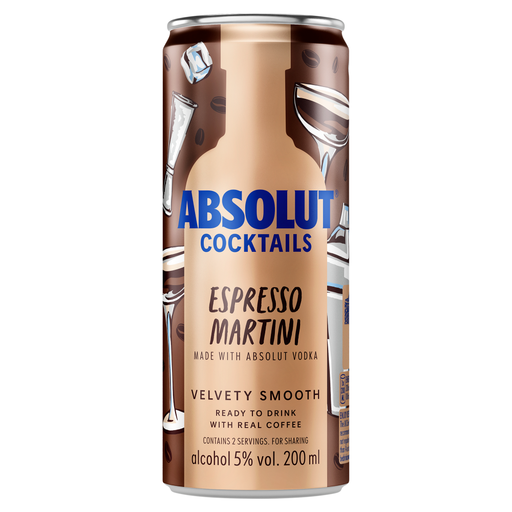
Why This Fits Their Persona: Its 5% ABV and 200ml can format offer a straightforward introduction to pre-mixed cocktails for relaxed evenings or casual hosting.
The stated ABV and approximately one UK unit per can make it easier to compare strength before purchasing.
Nitrogen-infused foam; gluten-free; serve well chilled and check the best-before date on the can.

Why This Fits Their Persona: This smaller-format cocktail suits shoppers who prioritise listed ingredients and a coffee-led serve for dinner parties or after-dinner drinking.
The 14.9% ABV and approximately 1.9 UK units per can are clearly specified, preventing confusion with lower-alcohol cocktails.
Made with French vodka, cold brew coffee and coffee liqueur; listed as vegan and free from cereals containing gluten.
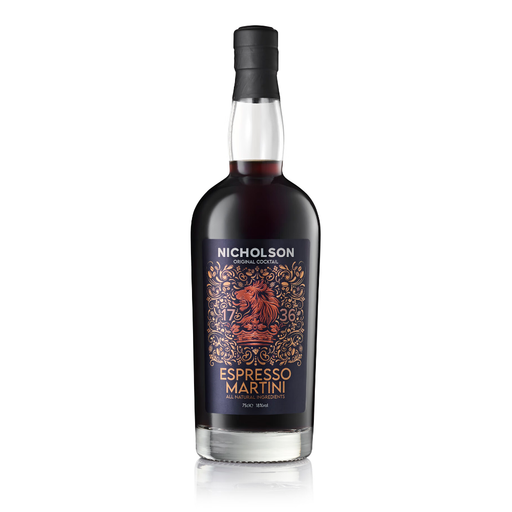
Why This Fits Their Persona: The 75cl bottle is designed for multiple serves, making it practical for dinner parties, celebrations and shared cocktail occasions.
The larger bottle makes the serving capacity visible, while the instructions specify pouring 100ml into a shaker with ice.
Ingredients include espresso, vodka and coffee liqueur; suitable for chilled preparation and glass serving.
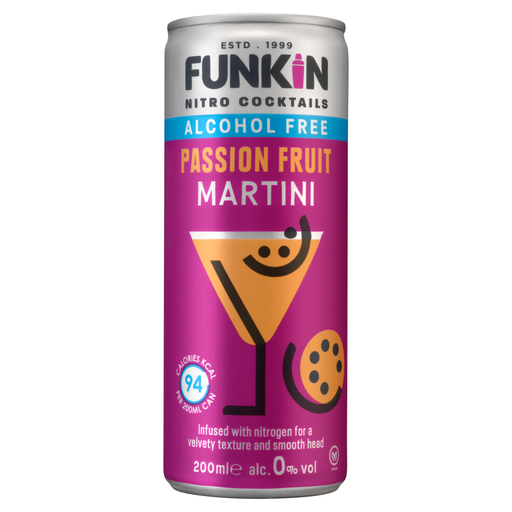
Why This Fits Their Persona: It provides a passion fruit martini-style option for guests who are avoiding alcohol while still wanting a chilled, fruit-led drink.
The product information states 0.0% ABV and zero UK units per can, rather than relying on vague “lighter” wording.
Nitrogen-infused texture; suitable for vegetarians and vegans; serve chilled and consume immediately after opening.
For a fruity canned cocktail, Funkin Nitro Cocktails Passion Fruit Martini 200ml and Absolut Passionfruit Martini Sparkling Cocktail 250ml offer portable formats at 5% ABV. Those seeking a stronger serve can compare MOTH Passion Fruit Martini 125ml at 14.9% ABV.
For a gift, the EDMUNDS Cocktails Gingerbread Espresso Martini Gift Box, containing three 100ml serves, offers a seasonal presentation. A two-box pack may suit larger gifting requirements.
Vermouth is useful for shoppers who want more flexibility than a single pre-mixed drink. MARTINI Rosso, MARTINI Extra Dry and MARTINI Bianco can be served over ice, with tonic or in classic cocktails. For home preparation, the Fever-Tree Espresso Martini Cocktail Kit provides a mixer-based alternative, although its caffeine content and included spirit components should be checked before serving.
We have compiled a complete, real-time list of products that fully satisfy these strict selection criteria and UK safety regulations.
Not always. Many unopened cans and bottles can be stored in a cool, dry place, but serving them chilled usually improves the experience. Follow the packaging instructions, and refrigerate products after opening where stated.
The answer depends on the price per serving. Canned cocktails offer portion control and portability, while a 75cl bottle may provide more serves for group occasions. Compare the total volume, ABV and number of stated servings rather than the pack price alone.
Low-alcohol cocktails still contain alcohol, such as a 5% ABV canned cocktail. Alcohol-free products should display their ABV and unit information; the referenced passion fruit product states 0.0% ABV and zero UK units per can. Always check the label if avoiding alcohol is essential.