
24/7 Customer Support

Free returns

Same-day & Next-day Delivery

Quality Guaranteed

Unlock Your Welcome Offers: FREE Delivery | Up to 80% OFF | Free 30-day JoyPlus trial
Download the APP
For busy professionals, students and anyone needing a quick caffeine fix, the convenience of ready to drink coffee is undeniable. Grabbing a chilled canned coffee from the fridge is far quicker than brewing a pot or queuing at a café. However, the rapidly growing market is filled with options that promise a premium experience but often fall short, leaving you with a sugary, unsatisfying drink.
As a Joybuy Product Recommendation Officer, my role is to help you navigate this crowded space. We will look at the common pitfalls to avoid and the key factors to check, ensuring your next on the go coffee is a genuinely enjoyable one.
Before you add that attractively packaged iced coffee can to your basket, be aware of these frequent issues that can lead to disappointment.
To avoid these traps, focus on a few core parameters. Analysing these details will help you find a quality product, whether you're after a classic coffee latte can or a low sugar coffee.
The ingredients list is your most reliable guide. Look for "brewed coffee" or "coffee extract" high on the list. The most important figures to check are under the nutritional information, specifically "Carbohydrates (of which sugars)" per 100ml. A drink with over 10g of sugar per 100ml is more of a sweet treat than a coffee beverage. For a balanced or low sugar coffee, aim for something under 5-7g per 100ml. This ensures the coffee flavour, not just sweetness, is the main event.
The creaminess of a milk coffee drink is determined by its dairy or non-dairy components. Products using whole milk or skimmed milk powder often provide a more authentic and satisfying texture compared to those relying solely on non-dairy creamers, which can sometimes leave an oily or artificial aftertaste. Brands like Suntory Boss coffee and Pokka coffee often specify their milk sources, which is a good indicator of quality.
Instead of a generic list, we have matched some noteworthy options to different preferences and needs.
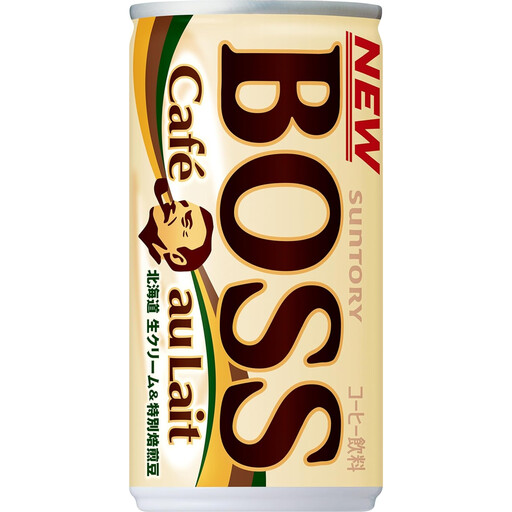
Why This Fits Their Persona: For those seeking a genuine taste of Japanese coffee culture, this is a staple. It’s a classic, well-regarded choice in Japan, known for its smooth and balanced profile that’s perfect for daily drinking.
It sidesteps the "authentic import illusion" by being a genuinely popular product in its home market. The flavour is a harmonious blend of coffee and milk, not a sugar-heavy drink disguised by slick marketing.
Made with a blend of quality coffee and 100% imported milk, delivering a velvety texture and rich aroma without excessive bitterness or sweetness.
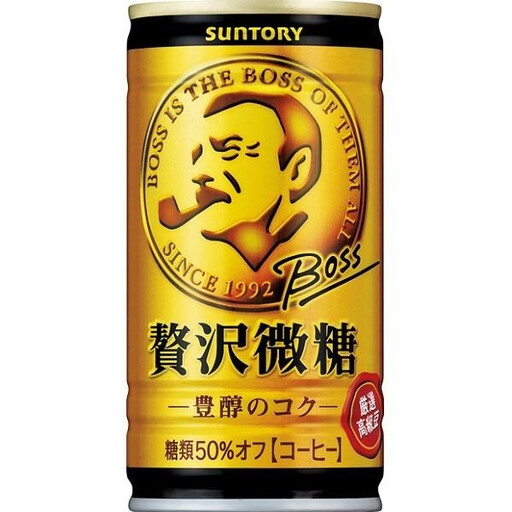
Why This Fits Their Persona: Ideal for those who need a caffeine boost on their commute but are mindful of their sugar intake. This low sugar coffee provides a satisfying flavour without the guilt of a high-calorie drink.
This directly counters the "café flavour that's just sugar" trap. With only 3.2g of sugar per 100g, its taste comes from a "luxury drip" brewing process and quality beans, not sweeteners.
Offers a full-bodied coffee experience with just a hint of sweetness. The use of high-quality Japanese milk ensures a creamy texture without artificial flavours.
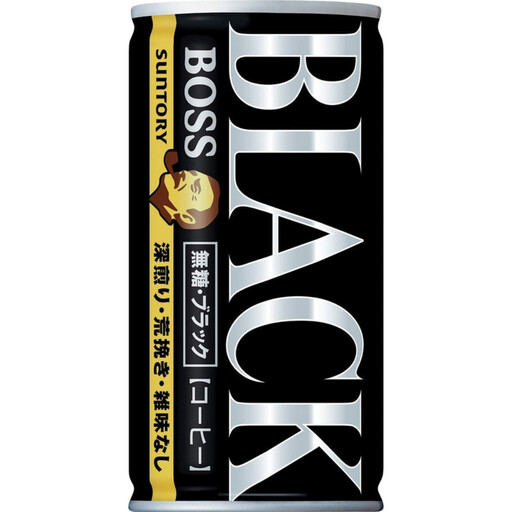
Why This Fits Their Persona: For those who drink coffee for its pure, unadulterated flavour. This is a straightforward, no-nonsense black coffee that delivers a robust caffeine kick without any milk or sugar to get in the way.
It completely bypasses the common pitfalls of sweetness and artificial creaminess by containing neither. It is simply brewed coffee, offering a clean and authentic taste.
Zero sugar and zero milk. It provides a bold, full-bodied flavour with a clean finish, perfect for a pure energy boost or for those on strict low-sugar or dairy-free diets.
We have compiled a complete, real-time list of products that fully satisfy these strict selection criteria and UK safety regulations.
While both offer great convenience, there are general differences. Japanese coffee, like the Suntory Boss range, often focuses on balance and the quality of the coffee brew itself, with many options from black to lightly sweetened lattes. Korean coffee often embraces trends and bolder, sweeter flavours, with popular varieties like caramel macchiato or unique creations like Dalgona coffee, catering to a palate that enjoys more indulgent, dessert-like drinks.
Once you open a can or bottle, it should be refrigerated and consumed within 24 hours. The exposure to air will begin to degrade the flavour and if it contains milk, it can spoil. For the intended taste and for safety, it is always advisable to finish it on the same day.
The caffeine content can vary significantly between brands and products. A standard 240ml canned coffee typically contains between 60mg and 150mg of caffeine. This is often comparable to a single shot of espresso from a café, but may be less than a large, strong Americano or filter coffee. If you need a particularly strong kick, look for products labelled "espresso" or "double shot" or check the product description for caffeine information.