
24/7 Customer Support

Free returns

Same-day & Next-day Delivery

Quality Guaranteed

Unlock Your Welcome Offers: FREE Delivery | Up to 80% OFF | Free 30-day JoyPlus trial
Download the APP
Choosing a ready-to-drink iced tea should be simple, but product labels can make comparisons surprisingly difficult. A large bottle may appear cheaper until you calculate the cost per serving, while a drink described as “tea-based” may contain relatively little tea extract. Flavoured options can also vary considerably in sugar content, portion size and storage requirements.
For UK households, the right choice depends on where and how you plan to drink it: chilled with lunch, kept in a work fridge, packed for travel, served at a gathering or bought as a regular cupboard drink. The following guide highlights common buying traps, key specifications and suitable options for different shopping priorities.
Some bottled iced tea products provide around 13 kcal per 100ml, but the full bottle may contain substantially more. A 1.25-litre bottle of Liptonice Peach, for example, lists 3.0g of sugars per 100ml. That equals approximately 37.5g of sugar across the whole bottle if consumed in full.
By contrast, a sugar-free iced tea or zero-calorie tea may contain no sugar and no calories, but it may use sweeteners or offer a less fruity taste. Always compare:
Fruit flavours such as peach iced tea and lemon iced tea often combine tea extract, fruit juice from concentrate, acids and flavourings. Products with oolong or green tea may have a more noticeable roasted, grassy or earthy profile.
Check the ingredients for terms such as black tea extract, oolong tea leaves, green tea or instant tea. This gives a more useful indication of the drink’s base than front-of-pack language such as “classic”, “natural” or “refreshing”.
A 2-litre bottle may suit family meals but is less practical for commuting. Small cartons or pouches can be convenient for lunch bags, while cans are easy to distribute at gatherings. Once opened, storage instructions also differ. For example, some products advise refrigeration and consumption within 24 hours, while Liptonice Peach states that it should be refrigerated and consumed within five days.
Imported Asian iced tea products may also carry different packaging styles and product information. Check the current UK label for allergens, importer details, net quantity and best-before information before consuming.
For a lower-sugar tea drink, compare the nutrition table rather than relying on phrases such as “light” or “refreshing”. Suntory Oolong Tea Zero Sugar lists 0g sugar and 0 kcal per 100ml, while its low-sugar version lists 4.7g sugar and 20 kcal per 100ml.
Neither option is automatically suitable for every taste preference. Zero-calorie tea generally has a more direct tea flavour, whereas sweetened fruit teas may work better with snacks or meals.
The tea base affects the drinking experience:
Choose the format around your actual usage. A 500ml bottle suits a single journey or workday, whereas a 1.25-litre or 2-litre bottle is more appropriate for sharing. Ready-to-drink tea multipacks can reduce the number of shopping trips, but only represent good value if the household will use them before the best-before date and storage space is available.
For school, office or event use, 250–330ml cans, cartons and bottles are easier to portion. For regular home use, larger bottles may produce less packaging per litre.
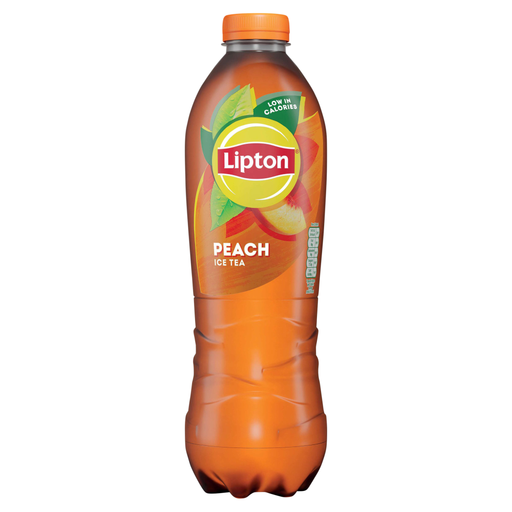
Why This Fits Their Persona: A larger bottle is practical for cupboards, lunch occasions and casual sharing at home. The peach flavour is approachable for shoppers trying ready-to-drink iced tea for the first time.
The nutrition information states 3.0g sugars and 13 kcal per 100ml, making comparison easier than relying on front-of-pack wording.
1.25-litre format; peach juice from concentrate and black tea extract are listed in the ingredients.
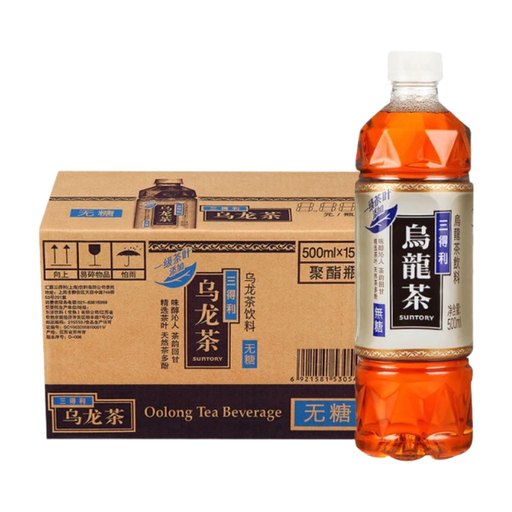
Why This Fits Their Persona: Suitable for shoppers who prioritise a direct oolong tea taste and want individual bottles for the fridge, office or travel.
The listed nutrition values are 0g sugar and 0 kcal per 100ml, rather than simply using a vague low-calorie description.
500ml bottles; ingredients list oolong tea leaves and no added sugar.
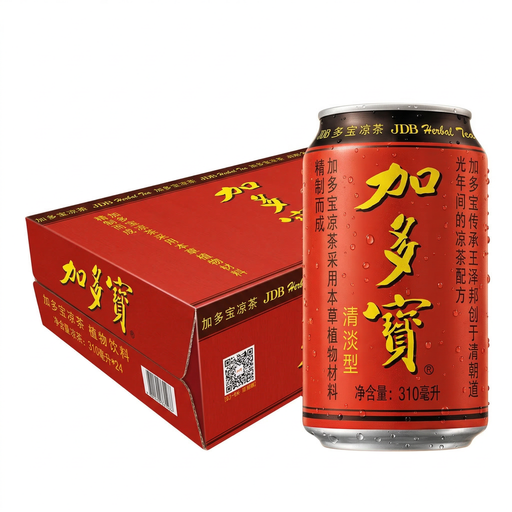
Why This Fits Their Persona: The 24-bottle case suits households, workplace fridges, parties and buyers who regularly serve chilled drinks with meals.
The case quantity and per-100ml nutrition figures are clearly stated, helping buyers assess both storage needs and sugar intake.
310ml individual bottles; herbal ingredients include mesona, chrysanthemum and honeysuckle.
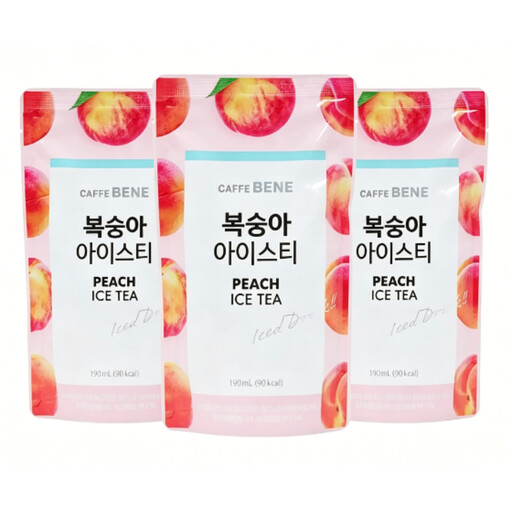
Why This Fits Their Persona: Pouch packaging is easy to carry for picnics, travel and quick breaks where a bottle may be less convenient.
The 190ml serving size makes the portion clear; the label lists peach concentrate, black tea extract and 20g sugars per pouch.
Portable pouch format; designed to be served chilled or poured over ice.
For single servings, Lipton Iced Tea Lemon 6 x 330ml offers portioned cans with 3.0g sugars per 100ml. For a larger zero-sugar option, Suntory Oolong Tea Zero Sugar 1.25L x 6 is designed for sharing at home or in the office.
Those seeking a mixed case can consider TEAZLE Zero Calorie Sugar Free Three Flavours Mix Pack, which combines peach, Earl Grey, oolong and grapefruit black tea flavours. Always check the current product page and packaging for the latest ingredients and nutrition information.
We have compiled a complete, real-time list of products that fully satisfy these strict selection criteria and UK safety regulations.
It depends on the format and serving size. A multipack may reduce the price per bottle, while a large bottle can provide a lower cost per litre. Homemade tea may cost less per serving but requires brewing, cooling and storage. Compare the product’s total volume and price per litre before buying.
Follow the label for the specific product. Some products advise refrigeration and consumption within 24 hours, while Liptonice Peach specifies refrigeration and consumption within five days. Keep opened drinks chilled and avoid consuming products with damaged seals or unusual appearance.
Look for a nutrition panel showing 0g sugar for zero-sugar options, or compare low-sugar tea products by their per-100ml figures. Suntory Zero Sugar and POKKA Oolong Tea No Sugar both list 0g sugar per 100ml. Flavoured products may contain considerably more, even when described as light or refreshing.