
24/7 Customer Support

Free returns

Same-day & Next-day Delivery

Quality Guaranteed

Unlock Your Welcome Offers: FREE Delivery | Up to 80% OFF | Free 30-day JoyPlus trial
Download the APP
Whether you are commuting across London, leaving a lecture in Manchester or heading home after a gym session, ready-to-drink nutritional drinks offer convenient nutrition without a blender, shaker or kitchen. However, attractive packaging and broad claims can make comparison difficult.
A meal replacement drink is not automatically a protein shake, while an energy drink is not a substitute for food. The right choice depends on what you need it to do, how often you will use it and which ingredients fit your diet.
A bottle containing a high amount of protein may be useful after exercise, but that does not mean it provides a balanced meal. Check whether the drink includes calories, carbohydrates, fats, fibre and vitamins and minerals, rather than looking only at the protein figure.
For example, a ready-to-drink protein shake may provide 20g or 42g of protein but little or no fibre. A nutritionally complete drink usually contains a broader mix of nutrients and is designed to replace a meal occasion, subject to the label instructions.
“Low sugar” is different from “zero sugar”, and neither description tells you the full carbohydrate content. Review the nutrition table per bottle, not only per 100ml. A 500ml serving can contain considerably more energy than the front-of-pack design suggests.
Also check sweeteners and flavourings. Some products use stevia, while others contain sucralose or a combination of sugar and sweeteners. This matters if you are specifically searching for low-sugar nutritional drinks or prefer a shorter ingredient list.
Milk-based high-protein drinks are unsuitable for people avoiding dairy or milk allergens. Plant-based drinks may contain oats, mustard warnings or other supply-chain statements. Always read the current bottle label, as recipes and packaging can change.
Ready-to-drink products are convenient, but opened bottles commonly require refrigeration and consumption within 12 or 24 hours. A large multipack is only economical if you have suitable storage and will use it before the best-before date.
Use the following distinctions when comparing products:
A practical comparison should include:
For instance, Huel ready-to-drink complete meal products list around 400 kcal, 20g protein, fibre and 26 vitamins and minerals per 500ml bottle. By comparison, Applied Nutrition’s 500ml chocolate protein shake lists 240 kcal and 42g protein, making it more specifically focused on protein intake.
A vegan meal replacement should use plant-based protein and clearly state relevant allergen information. Dairy-based drinks can offer a familiar milkshake texture, but they contain milk. Can and bottle sizes also affect portability: 250ml cans are easier to fit into a work bag, while 500ml bottles provide a larger serving but need more space.
Look for clear storage instructions, serving guidance and manufacturer details. For UK shoppers, a product label should take priority over older online descriptions.
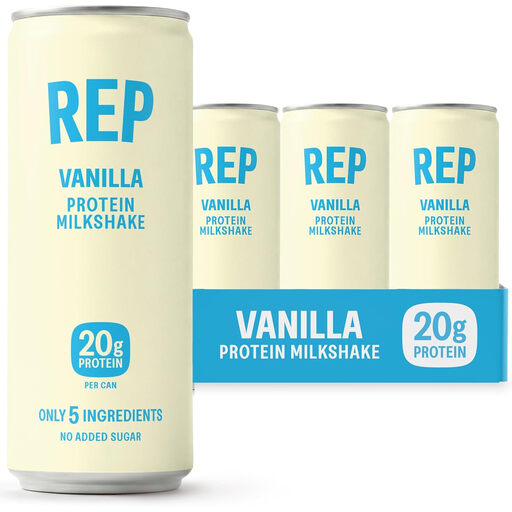
Why This Fits Their Persona: The 250ml can format is easy to store at home, take to work or place in a gym bag, making it a straightforward starting point for everyday protein intake.
Its listed serving size and nutrition figures make comparison easier, without presenting it as a complete meal replacement.
Provides 20.3g protein and 150 kcal per can; made with five listed ingredients and suitable for vegetarians.
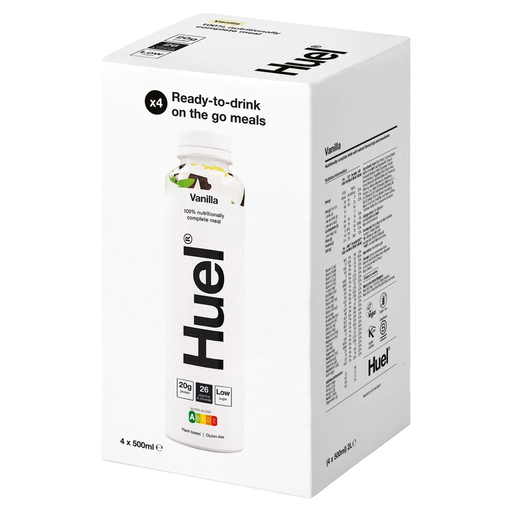
Why This Fits Their Persona: This plant-based option suits busy professionals and students who want a more comprehensive on-the-go nutrition option than a standard protein shake.
The listed nutrition profile covers calories, protein, fibre and 26 vitamins and minerals, rather than focusing on one headline number.
Each 500ml bottle provides 400 kcal, 20g protein and 6g fibre; the listed formulation is plant-based and dairy-free.
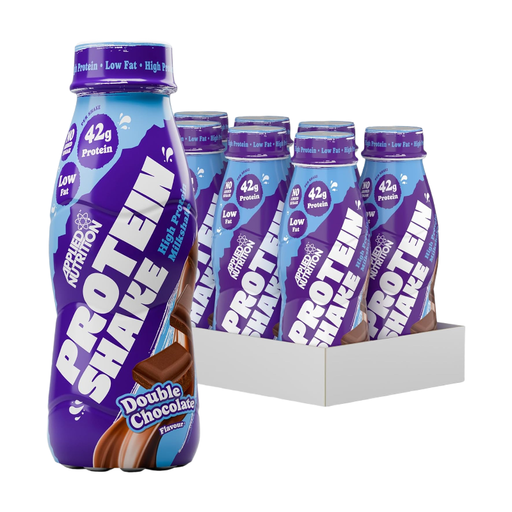
Why This Fits Their Persona: A 500ml bottle with a high protein figure is suited to adults who have a clearly defined protein target after training or during a demanding day.
Its 240 kcal serving shows that it is primarily a protein drink, not an all-in-one meal replacement.
Provides 42g protein per 500ml bottle, with 0.5g fat and no added sugar according to the supplied product information.
We have compiled a complete, real-time list of products that fully satisfy these strict selection criteria and UK safety regulations.
Some are formulated and labelled as meal replacements, while others are protein, energy, vitamin or hydration drinks. Check the serving calories, macronutrients and micronutrients. Follow the manufacturer’s instructions and retain a varied, balanced diet rather than replacing every meal automatically.
Store unopened products according to the packaging, usually in a cool, dry place away from direct sunlight. Shake before opening where instructed. Once opened, refrigerate and consume within the stated period, which may be 12 or 24 hours depending on the product.
They can provide a convenient source of protein after training, particularly when preparing food is impractical. Compare protein per serving, calories, milk content and sweeteners. For hydration, an electrolyte drink may be more appropriate than a protein shake, while an energy drink should be assessed separately for caffeine.